Overview
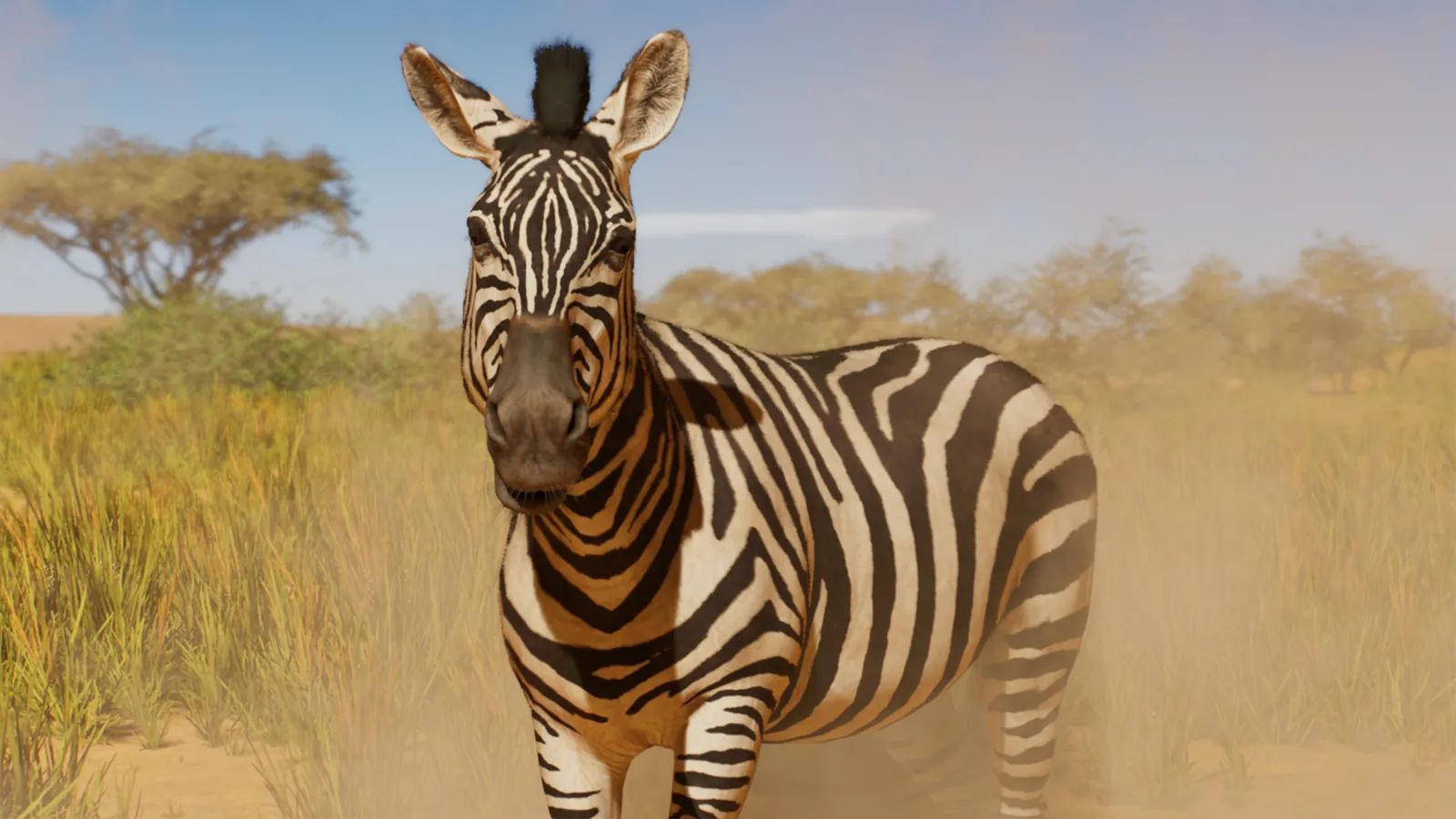
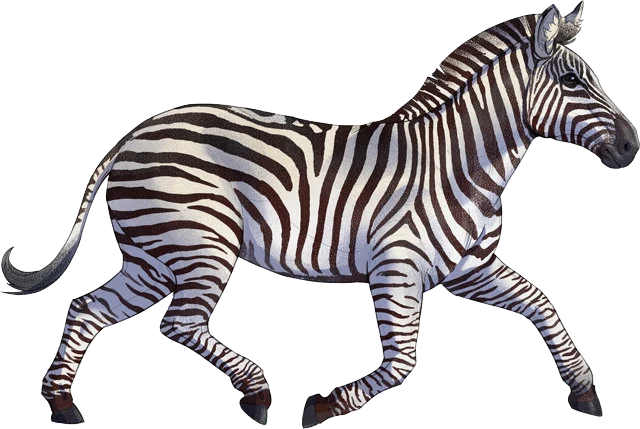
The plains zebra (or Equus quagga) is native to Eastern and Southern Africa, preferring to live in easy reach of water sources on the savannah. The species is divided into six subspecies, separated due to different features, usually varying strip patterns, and lack of interbreeding between groups. Plains zebra have the black and white stripes famous of all zebra, but are smaller than Grévy's zebra and larger than mountain zebra. Males and females can both be 1.10m to 1.45m in height, and between 2.17m and 2.46m in length, although males are generally 10% larger than females. Males are also heavier at 220kg to 320kg, compared to females at 175kg to 250kg.
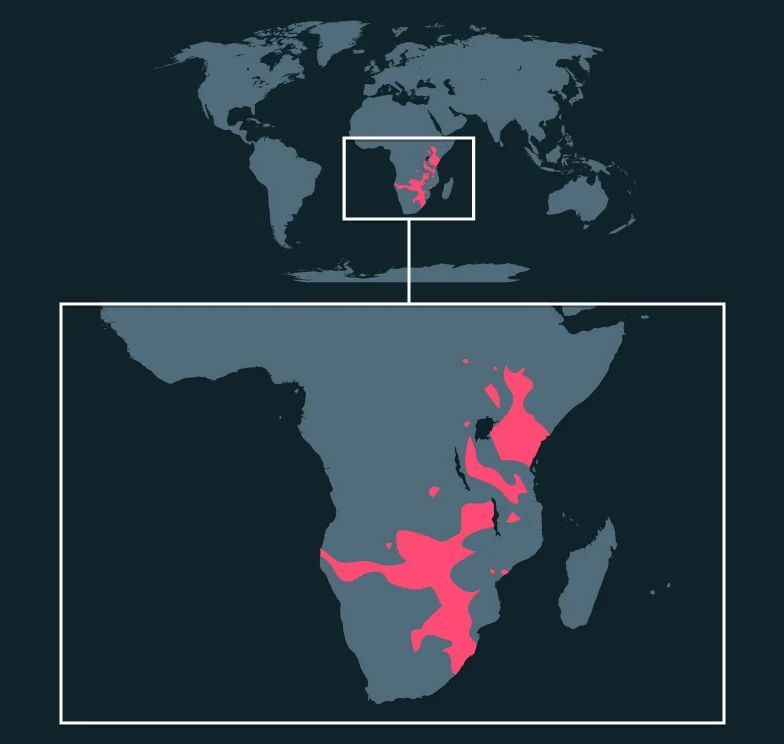
Found in Africa
Regions
Biomes

Appearance
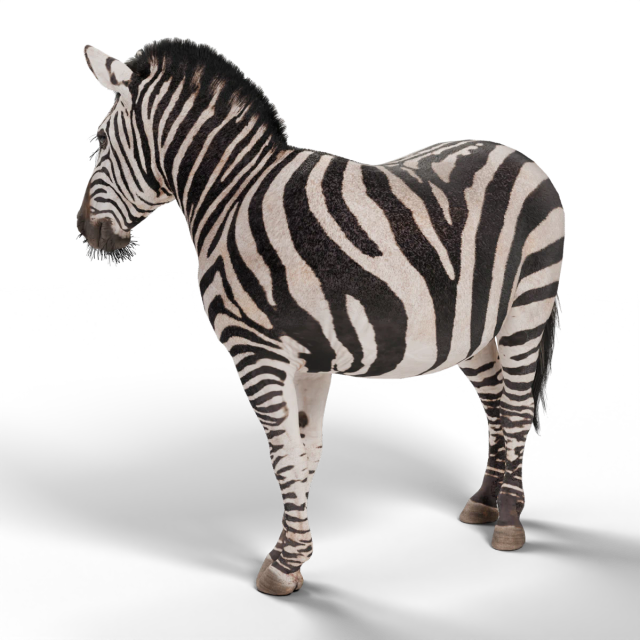
Adult
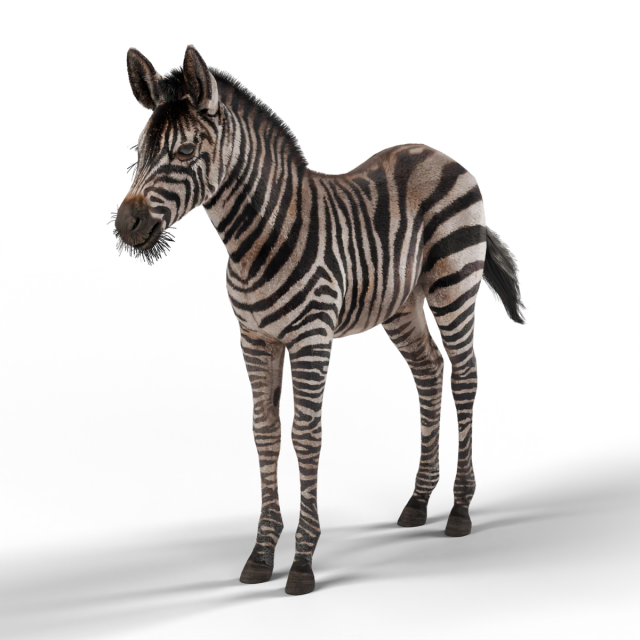
Juvenile
Colourmorphs
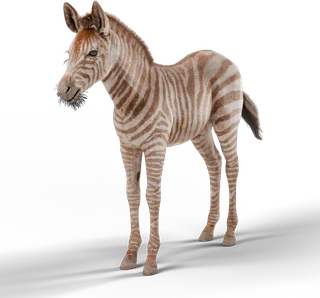
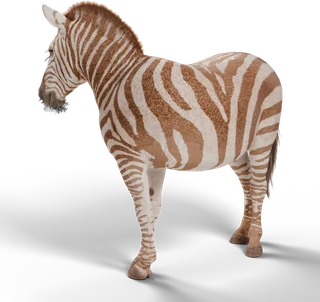 Erythristic
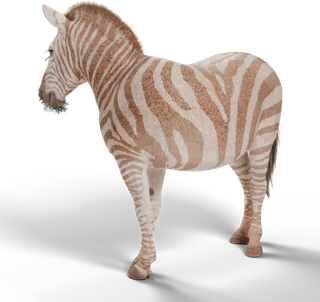 Amelanistic
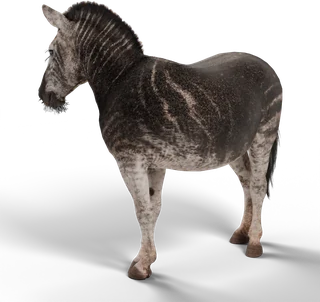 Part Melanistic
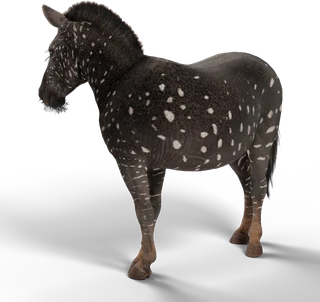 Pseudomelanistic
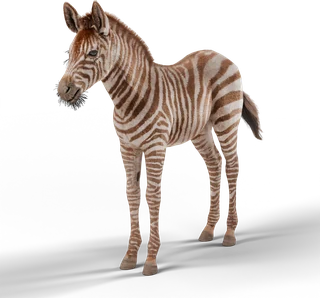 Erythristic juvenile
 Amelanistic juvenile
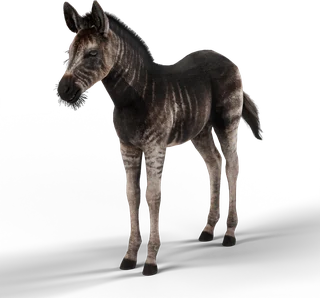 Part Melanistic juvenile
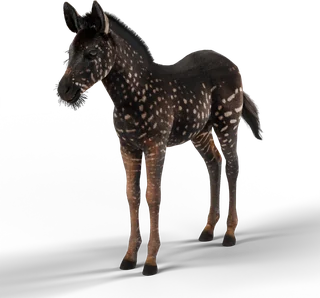 Pseudomelanistic juvenile
Size & weight
Size
Shoulder height: 1.2 m
Measured as Shoulder height. The person stands 1.75 m tall for scale.
Habitat requirements
Barrier grade
Grade 2 of 5
Minimum height
1.25 m minimum
Climbing & water
Climb proof
Not needed
Water barrier
Not allowed
Barriers at this grade
Barrier types with resistance grade 2.



Habitat needs
Minimum area
Land
460 m² + 140 m² per extra animal
Shelter
10 m² per animal
Environment
Temperature
14 to 36°C
Plant coverage
0-30%
Enclosure
Habitat
Dislikes
Snow
Terrain
- Sand 0-20%
- Rock 0-20%
- Grass 40-80%
- Waterlogged 0-10%
- Soil 10-60%
Thriving Relationships
African Savannah: sharing a habitat with one of these species fulfils a Thriving requirement.






Diet and enrichment
Diet
- Hay
- Herbivore Pellets










Water sources

Conservation
IUCN Red List
Near threatened
Least concern
Critically endangered
Wild population
150,000
150,000-250,000 in the wild. Rank 43 of 58 species with a known count, smallest first.
Plains zebras’ conservation status is Near Threatened, as they face habitat fragmentation and competition over grazing resources with livestock due to urban and agricultural expansion. In some regions, poaching for zebra skins and meat poses an additional threat. Although plains zebras are more adaptable and widespread than other zebra species, localised population declines have been a consequence of these pressures; one subspecies of plains zebra (the quagga) was hunted to extinction in 1878. Conservationists focus on habitat protection, anti-poaching measures, and sustainable land-use planning. Many zebras live within National Parks where they are protected, though they are a far-ranging species and may leave protected areas during migrations. Translocation and reintroduction programmes have successfully bolstered populations with previous decline, and community initiatives help manage livestock grazing competition. Organisations like IUCN and WWF support conservation efforts with research, funding, and guidance to ensure the long-term survival of wild plains zebras.
Zoopedia sketchbook
Social & reproduction
Keeper notes
Plains zebra live in cohesive herds in the wild, which can be composed of several harems that consist of one stallion, several females and their young offspring. Young males that have not yet gained their own harem live in 'bachelor herds'. Females within a harem have a hierarchy depending on how long they have been with the stallion; the female that joined the stallion first is the alpha female. Male zebra 'acquire' a young female by approaching her while in her family herd when she first reaches sexual maturity. He must challenge, fight and subdue her father to 'win' the female, who will then join him. Other males may also attempt to steal her. The stallion that first mates with the female is the one she will remain with. Female zebra are pregnant for 12 to 14 months and give birth to one foal. Female foals remain with their natal herd until they join an unrelated male, whereas male foals leave their mother when she has another foal to join a bachelor herd of other young males.
Group and breeding
Group
Group name
Harem
Group size
3-6 (up to 1 male, up to 5 females)
Male bachelor group
1-6
Female bachelor group
1-6
Offspring dispersal
Male offspring
Lifecycle and breeding
Life expectancy
20-40 years
Age of sexual maturity
4 years
Age of sexual sterility
Death
Gestation or incubation
13 months
Interbirth period
11 months
Litter size
1
Mating system
Polygynous
Mating season
Aseasonal
Reproduction in captivity
Very Easy
Dominance
1 dominant male per group, females ranked by age
Research
Research levels
| Level | Unlocks | Research gate |
|---|---|---|
| Level 1 | Thriving Requirement 1: Coarse Sand terrain | |
| Level 2 | Plains Zebra Fact Sheet | |
| Level 3 | Thriving Requirement 2: Water Surface Area | |
| Level 4 | Thriving Requirement 3: Food Grade 2; Fertility Level 1 (+15% fertility) | Before this level: an Observation Network (Observation Platform) in Great Rift Valley Reserve and this species released in Great Rift Valley Reserve |
| Level 5 | Thriving Requirement 4: at least 15 objects or plants with the Grass tag | |
| Level 6 | Thriving Requirement 5: African Savannah Social Group; Fertility Level 2 (+30% fertility) |
Researched by
Vets
Researched at
Habitat or exhibit and Research Centre
Wildlife Reserve
Great Rift Valley Reserve
Every level of this species' research, with its unlock conditions.
Release groups
Valid release groups
| Group | Type | Animals |
|---|---|---|
| Harem Group | Mixed group | 1 male, 3 to 5 females |
| Stallion Group | Male group | 3 to 6 males |
Release requirements
| Requirement type | Requirement |
|---|---|
| Ecosystems Required | Grassland |
| Ecosystems Required | Watering Hole |
Ecosystems


Release groups, reserve requirements and the roles this species fills.
Animal facts
- Zebra recognise each other by their different stripe patterns.
- Zebra sleep standing up and take 'watches' during sleep to look out for predators.
- The reason for a zebra's stripes is still debated; it may be for camouflage in grass and shade (especially for foals), for motion camouflage to confuse predators when the herd runs, as a deterrent to parasites, or for social recognition.
- Zebra females in a harem are aggressive towards new females, who must be protected by the stallion until tension subsides.
- Zebra herds move to follow the rain and may migrate up to 1600 kilometres to remain close to food and water.
Taxonomy
Class
Order
Family
Genus
Species