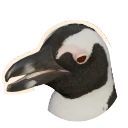
Overview
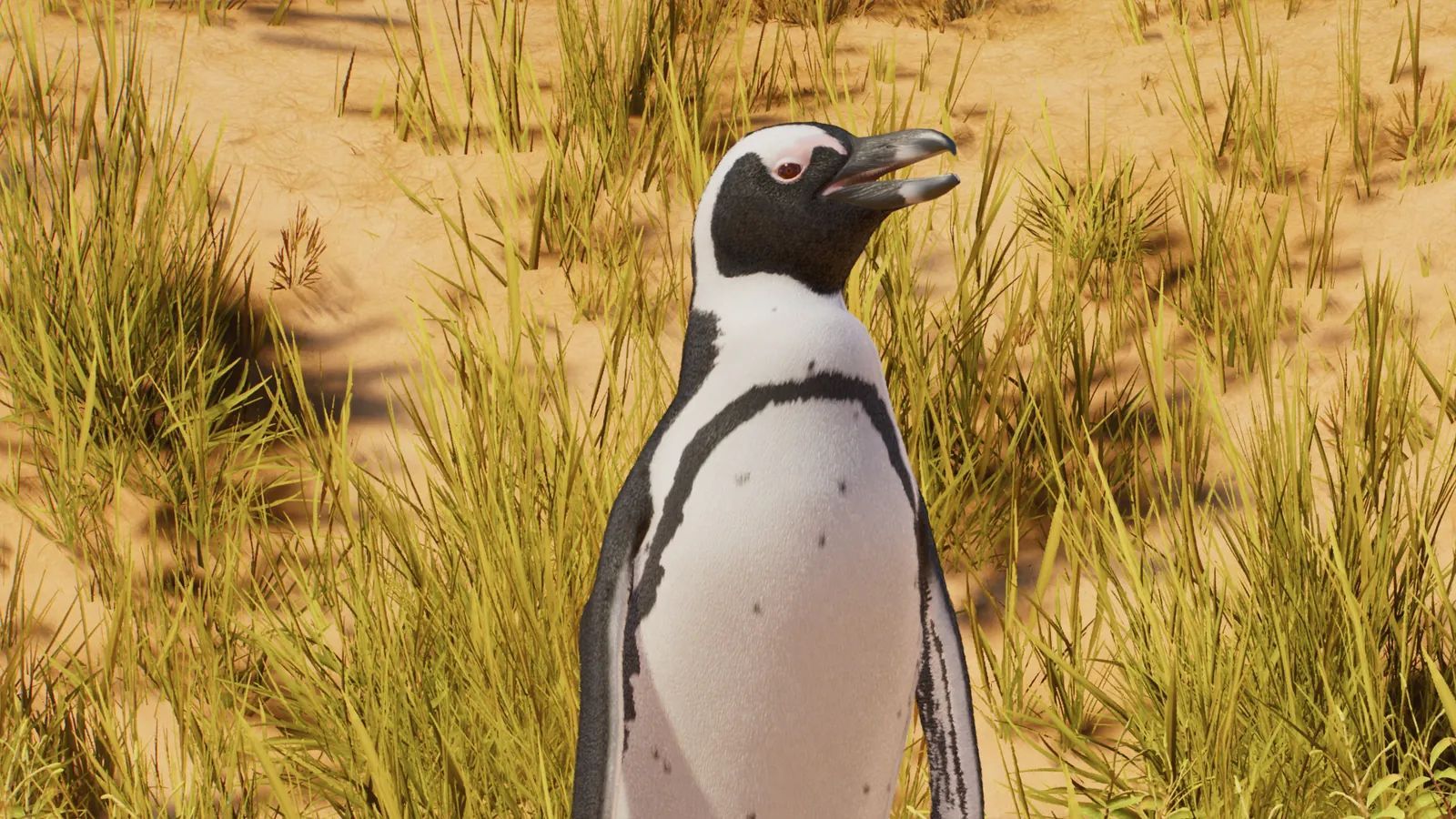
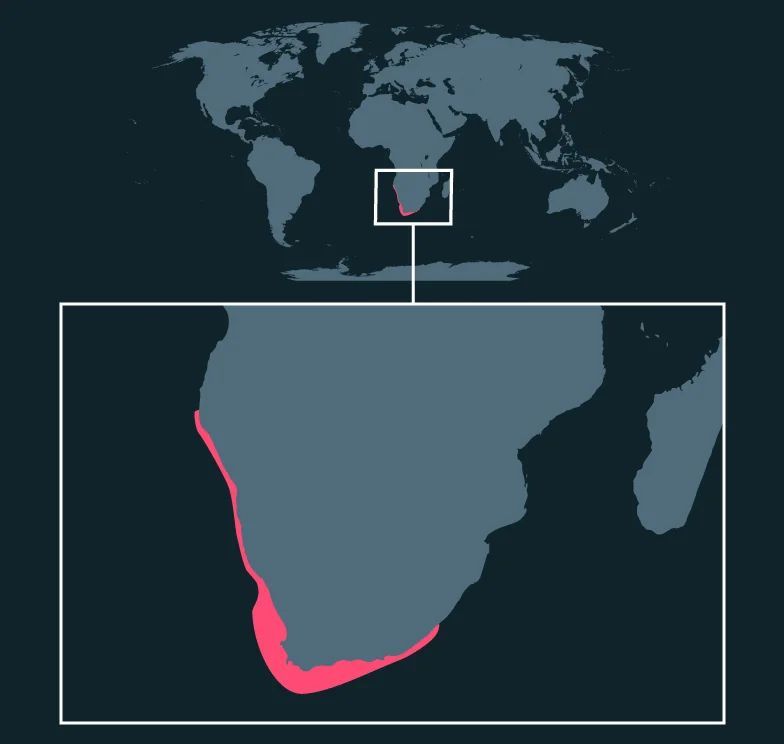
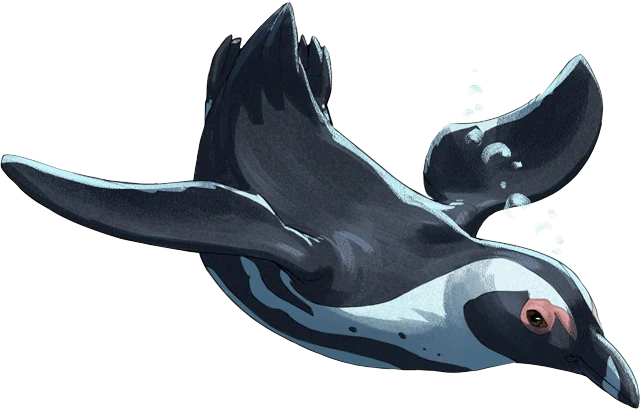
The African penguin (or Spheniscus demersus) is a flightless bird that inhabits the coastline and islands of South Africa and Namibia. The African penguin has a black back and flippers, black feet and a black face ‘mask’ with white surround. It also has a white torso with a black strap across the upper chest. The eyes of the African penguin are surrounded by pink patches which are used in thermoregulation. Each penguin has a unique pattern of black spots on its chest. African penguins are 60cm to 68cm tall and weigh between 2.2kg and 3.5kg. Males are slightly larger than females and have a longer beak.


Appearance
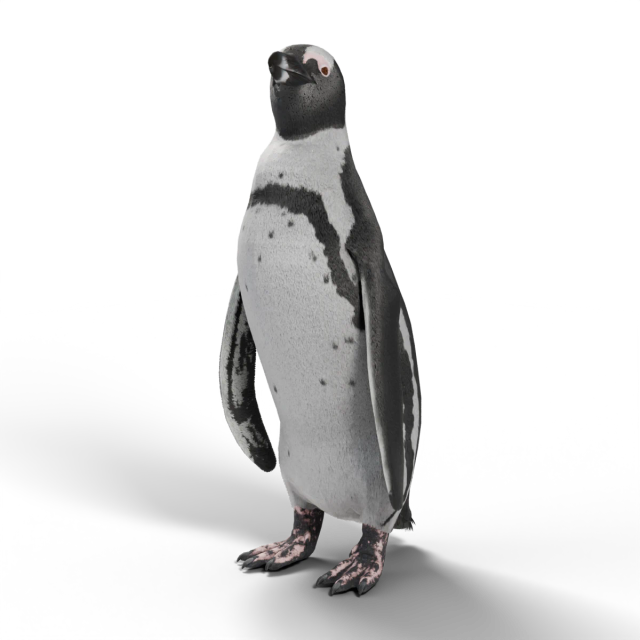
Adult
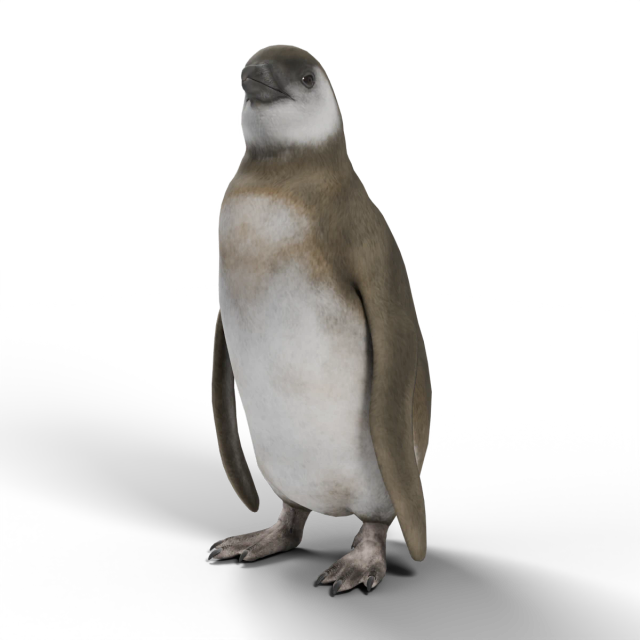
Juvenile
Size & weight
Size
Standing height: 64 to 65 cm
Weight
Male
3.1 kg
Female
3.1 kg
Bars use a log scale against the heaviest animal in the Zoopedia, the Common Hippopotamus.
Juvenile
Juvenile weight
1.55 kg
Measured as Standing height. The person stands 1.75 m tall for scale.
Habitat requirements
Barrier grade
Grade 2 of 5
Minimum height
1 m minimum
Climbing & water
Climb proof
Not needed
Water barrier
Not allowed
Barriers at this grade
Barrier types with resistance grade 2.



Habitat needs
Minimum area
Land
180 m² + 3 m² per extra animal
Water
135 m² + 2 m² per extra animal
Deep water
67 m² + 2 m² per extra animal
Shelter
2 m² per animal
Environment
Temperature
3 to 36°C
Plant coverage
0-20%
Enclosure
Habitat
Dislikes
Rain and snow
Terrain
- Sand 20-100%
- Soil 0-50%
- Rock 10-100%
Diet and enrichment
Diet
- Small Whole Fish
- Squid
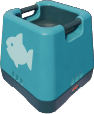



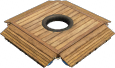

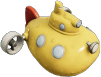


Water sources

Conservation
IUCN Red List
Critically endangered
Least concern
Critically endangered
Wild population
19,800
19,800 in the wild. Rank 25 of 58 species with a known count, smallest first.
African penguins are Critically Endangered, reflecting the rapid and ongoing decline of their population numbers, due to a combination of human and environmental causes. Overfishing of primary food species like sardines and anchovies limits available food. Coastal development and pollution, particularly oil spills, have severely impacted their breeding sites. Historically, their eggs were heavily poached. Climate change further threatens their survival by altering ocean currents and reducing prey populations. Conservation focuses on habitat protection, prey sustainability, and reducing human impact. Rescue and rehabilitation of injured or oiled penguins, as well as a newly established captive breeding and rewilding program aim to boost population numbers. Marine protected areas (MPA) limit fishing near colony grounds. Artificial burrows are provided at breeding sites, as guano harvesting has destroyed their natural nesting habitats. Awareness campaigns and ecotourism promote and fund conservation work. Despite these efforts, African penguin numbers continue to decline at an alarming rate, and further action is needed to secure the future of this species.
Zoopedia sketchbook
Social & reproduction
Keeper notes
African penguins are social animals and when not foraging at sea, they live in extremely large colonies of many thousands of mated pairs. African penguins come ashore during their breeding season, which takes place in Summer (Namibia) or Autumn (South Africa). Males arrive 4 days before females and use this time to locate and build a nest site from pebbles, guano and other debris. African penguins typically mate for life, previously mated pairs will locate each other with specific calls while unattached males attempt to attract females with vocalisations, neck swinging displays and showing off their nest site. A pair solidifies their bond by vocalising together and entwining their necks. The female lays 2 eggs in the nest 3 weeks after mating, which the pair will incubate for 40 days, taking turns to hunt during this time. After hatching, chicks are extremely vulnerable and are often preyed upon by mongooses, gulls or domestic cats. In 90% of cases, only 1 chick will survive to fledging age. The parents protect and feed their chick until 2 to 4 months old. Then, they join a communal creche that is watched over by adults. Chicks fledge at approximately 4 months old when they first go to sea. Penguins return to their place of birth every year to moult and breed. African penguins are fully grown at 3 years old and reproduce for the first time at 4 to 5 years old.
Group and breeding
Colourmorphs
- Part Leucistic
- Brown Morph
- Albino
Research
Research levels
| Level | Unlocks | Research gate |
|---|---|---|
| Level 1 | Thriving Requirement 1: Water Hoop, at least 2; African Penguin Fact Sheet | |
| Level 2 | Thriving Requirement 2: Aquatic Feeder - Fish, at least 2; Fertility Level 1 (+15% fertility) | |
| Level 3 | Thriving Requirement 3: Food Grade 2; Release groups and release to the wild | |
| Level 4 | Thriving Requirement 4: Grass terrain | |
| Level 5 | Thriving Requirement 5: Coarse Sand terrain; Fertility Level 2 (+30% fertility) |
Researched by
Vets
Every level of this species' research, with its unlock conditions.
Release groups
Valid release groups
| Group | Type | Animals |
|---|---|---|
| No entries. | ||
Release groups, reserve requirements and the roles this species fills.
Animal facts
- African penguin eggs were seen as a delicacy up until the 1970s; this contributed to the species’ decline.
- African penguins are preyed upon by sharks and fur seals in the ocean and kelp gulls, mongoose, cape genets and domestic cats and dogs on land.
- The African penguin is also known as the Jackass penguin due to its donkey-like cry.
- Penguin faeces, called guano, is an extremely effective fertiliser, but humans harvesting it disturbs the nest sites of African penguins and removes one of the main materials penguins use to build their nests.
- African penguins cannot hunt while moulting as their feathers are not yet waterproof, so they fast until their plumage has fully grown in. Moulting takes 3 weeks and penguins lose 50% of their bodyweight in this time.
Taxonomy
Class
Order
Family
Genus
Species