Overview
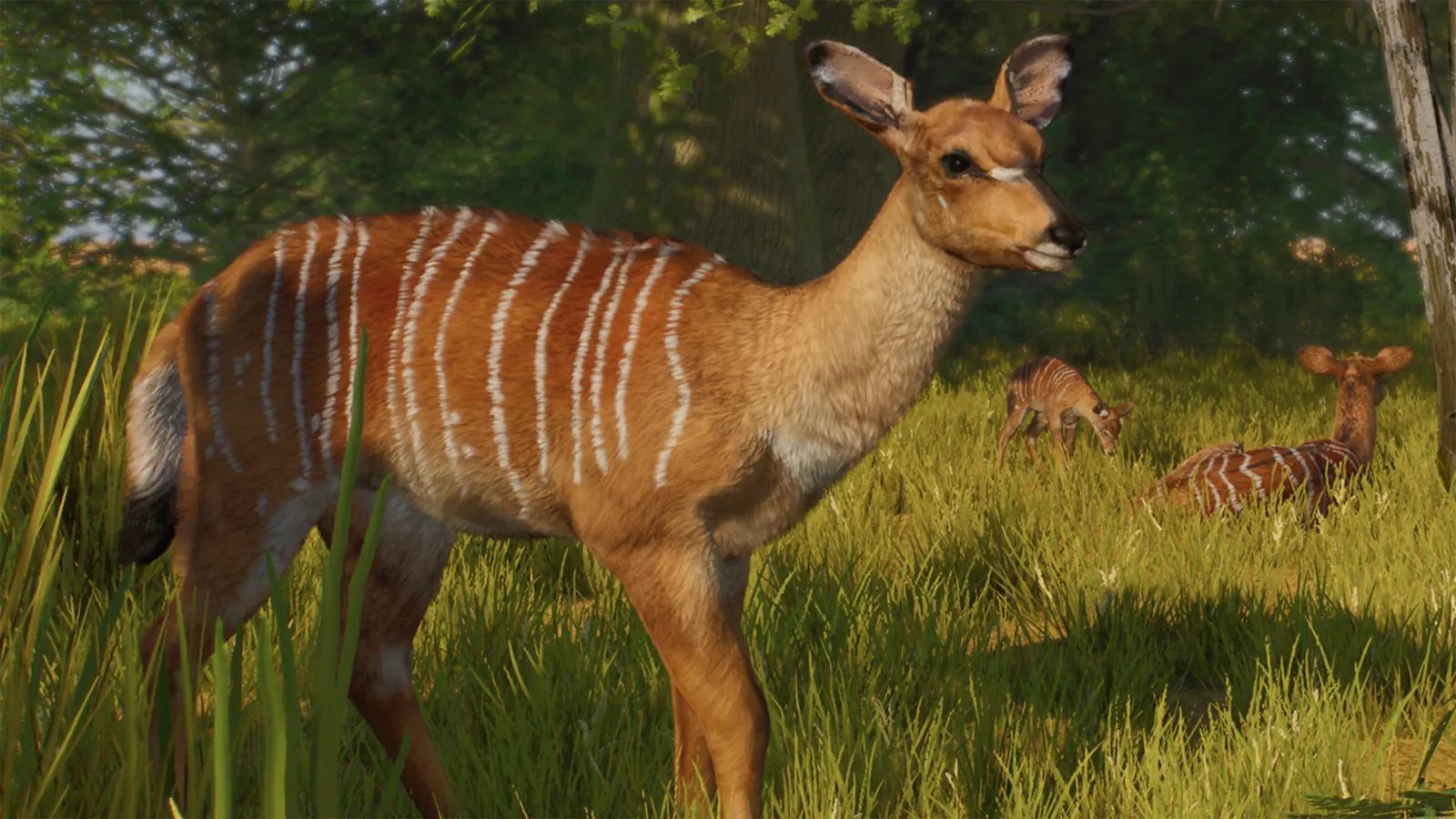
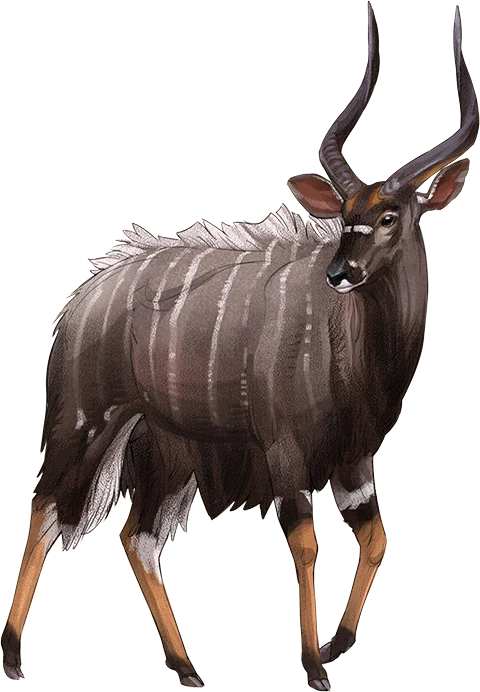
The nyala (or Tragelaphus angasii), also called the lowland nyala, is a secretive antelope that lives in the thick undergrowth of the South-Eastern African savannah. Males have a dark grey shaggy coat, yellow legs and twisted, yellow tipped horns, whereas the females are tan in colour and do not have horns. Both sexes also have vertical white stripes on their back. Nyalas are one of the most sexually dimorphic antelopes. Males measure between 0.9m and 1.1m tall, 1.35m to 1.95m long, and weigh 98kg to 125 kg. Females are between 0.75m and 0.9m tall, 1.35m to 1.95m long, and weigh between 50kg and 68kg.
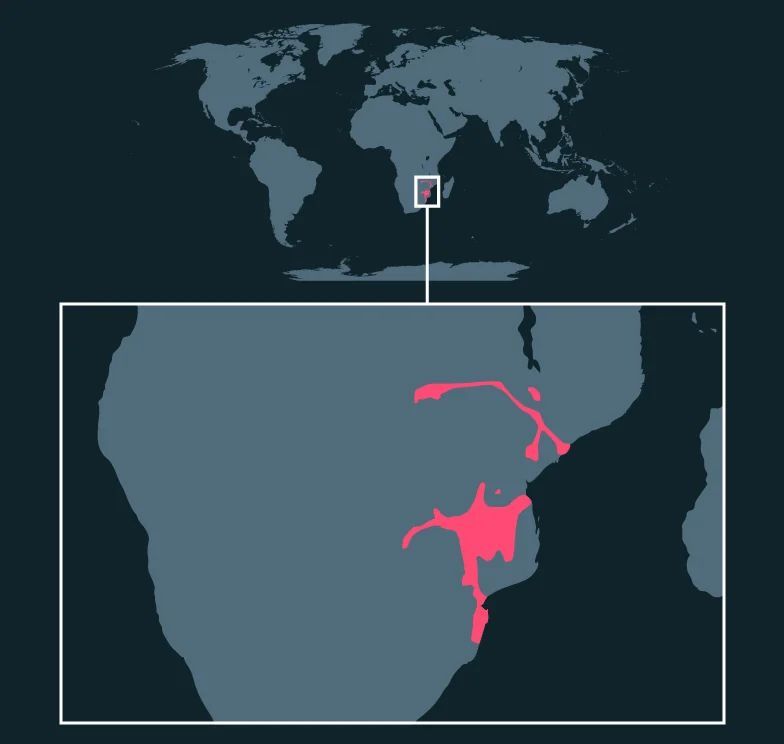
Found in South-Eastern Africa
Regions
Biomes

Appearance
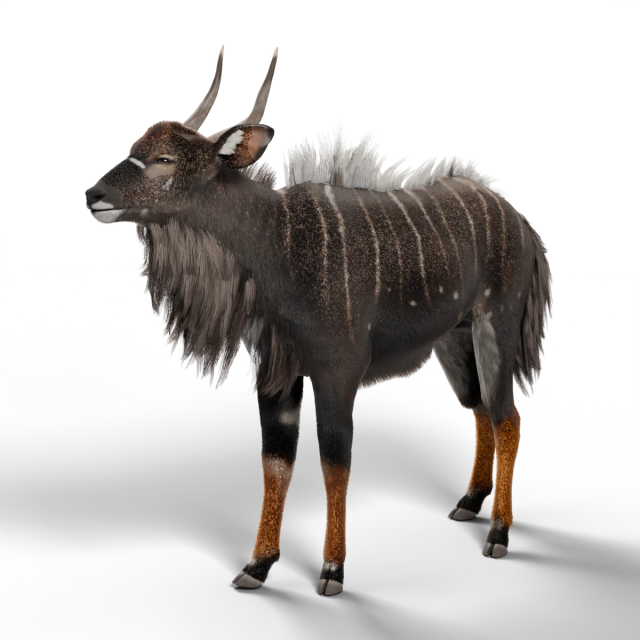
Male
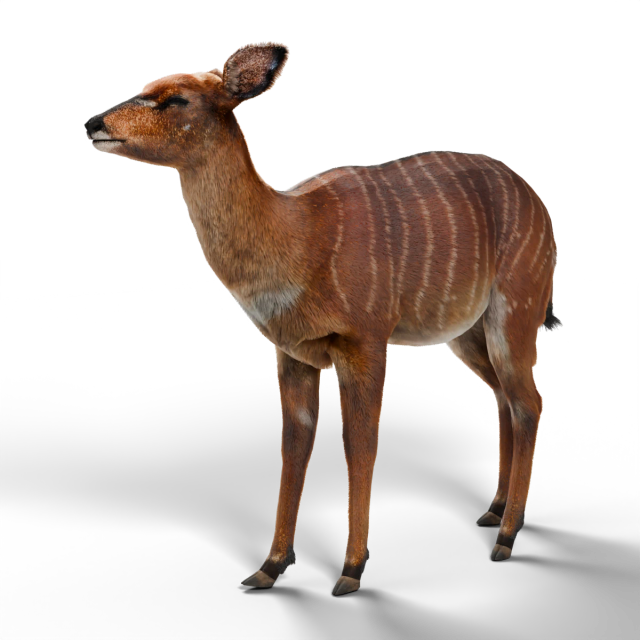
Female
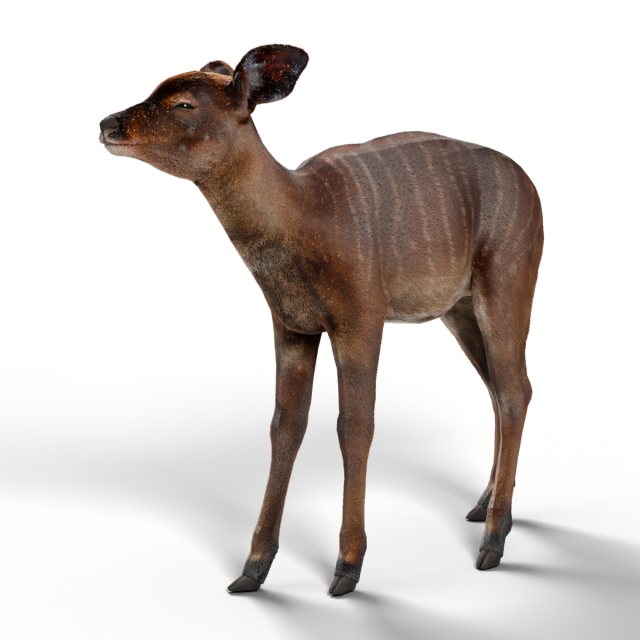
Juvenile
Size & weight
Size
Shoulder height: 0.8 to 1 m
Weight
Male
112 kg
Female
64 kg
Bars use a log scale against the heaviest animal in the Zoopedia, the Common Hippopotamus.
Juvenile
Juvenile weight
22 kg
Measured as Shoulder height. The person stands 1.75 m tall for scale.
Habitat requirements
Barrier grade
Grade 2 of 5
Minimum height
1.25 m minimum
Climbing & water
Climb proof
Not needed
Water barrier
Not allowed
Barriers at this grade
Barrier types with resistance grade 2.



Habitat needs
Minimum area
Land
340 m² + 40 m² per extra animal
Shelter
10 m² per animal
Environment
Temperature
14 to 41°C
Plant coverage
0-50%
Enclosure
Habitat
Dislikes
Rain and snow
Terrain
- Grass 30-100%
- Short Grass 25-100%
- Sand 0-20%
- Soil 0-60%
- Rock 0-20%
Thriving Relationships
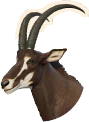
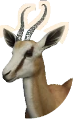
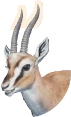
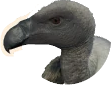
African Savannah: sharing a habitat with one of these species fulfils a Thriving requirement.







Diet and enrichment
Diet
- Hay
- Herbivore Pellets


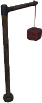


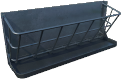

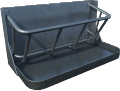






Water sources


Conservation
IUCN Red List
Least concern
Least concern
Critically endangered
Wild population
32,000
32,000 - 36,500 in the wild. Rank 33 of 58 species with a known count, smallest first.
The nyala is assessed as a species of Least Concern due to its stable population trend, but is nonetheless affected by habitat loss and poaching. Historic threats, like overhunting and the now eradicated rinderpest disease have reduced their numbers, and human and agricultural expansion have restricted their range in parts of Southern Africa. Key populations persist in protected areas and National Parks. There are also populations in private lands where regulated management encourages reintroduction and sustainable use of nyala for both ecological and economic benefits. Continued habitat degradation outside these areas and illegal hunting remain localised pressures that require ongoing monitoring and community engagement to sustain long-term population health.
Zoopedia sketchbook
Social & reproduction
Keeper notes
Female nyala live in small groups with their offspring and forage through the undergrowth together. Adult males are solitary, living alone except for during the mating season, when they temporarily join a female herd. Nyalas mate year-round, but mating activity peaks in spring and autumn. When a male joins a female herd, he courts the females by approaching them with his head and horns bowed down in a non-threatening posture. If multiple males try to join the same herd, this will result in a performative display; males circling each other and making their hair stand on end while holding their tails and horns up high, in order to make themselves look as big as possible. If this results in a stalemate, the males will fight. In either case, the victor mates with the herd’s females if they are receptive. A female will give birth to a single calf after a 7 month pregnancy, hidden away from the herd in thick brush or shrub. The calf remains there for up to 3 weeks, being nursed by the mother regularly, before joining the herd. Females reach sexual maturity at 1 year old and males at 18 months old, though they won’t be mature and strong enough to secure mates until about 5 years old. Young males leave their mothers at maturity and become solitary, while females remain with their mother’s herd.
Group and breeding
Group
Group name
Herd
Group size
1-5 (up to 1 male, up to 4 females)
Male bachelor group
1
Female bachelor group
1-5
Offspring dispersal
Male offspring
Lifecycle and breeding
Life expectancy
15-23 years
Age of sexual maturity
1.5 years
Age of sexual sterility
Death
Gestation or incubation
7 months
Interbirth period
5 months
Litter size
1
Mating system
Polygynous
Mating season
Autumn
Reproduction in captivity
Easy
Colourmorphs
- Leucistic
- Piebald
Research
Research levels
| Level | Unlocks | Research gate |
|---|---|---|
| Level 1 | Thriving Requirement 1: Rubbing Pillar, at least 2 | |
| Level 2 | Nyala Fact Sheet | |
| Level 3 | Thriving Requirement 2: Long Grass terrain | |
| Level 4 | Thriving Requirement 3: Food Grade 2; Fertility Level 1 (+15% fertility) | Before this level: an Observation Network (Observation Platform) in Great Rift Valley Reserve and this species released in Great Rift Valley Reserve |
| Level 5 | Thriving Requirement 4: at least 5 objects or plants with the Spreading Crown tag | |
| Level 6 | Thriving Requirement 5: African Savannah Social Group; Fertility Level 2 (+30% fertility) |
Researched by
Vets
Researched at
Habitat or exhibit and Research Centre
Wildlife Reserve
Great Rift Valley Reserve
Every level of this species' research, with its unlock conditions.
Release groups
Valid release groups
| Group | Type | Animals |
|---|---|---|
| Mixed Group | Mixed group | 1 male, 3 to 8 females |
| Male Bachelor Herd | Male group | 2 to 4 males |
| Female Group | Female group | 4 to 10 females |
Release requirements
| Requirement type | Requirement |
|---|---|
| Ecosystems Required | Dense Forest |
Ecosystems

Release groups, reserve requirements and the roles this species fills.
Animal facts
- Unlike many antelope species, nyala are extremely reliant on water and need to drink daily. They always live near a water source.
- Nyala produce a dog-like bark to alert other group members of danger.
- The name 'nyala' comes from the Tsonga language from Southern Africa.
- Nyala are crepuscular animals; they forage during dusk and dawn, and rest and sleep during the heat of the day.
- Nyala have excellent hearing and will listen for the warning calls of baboons and impala to remain aware of threats.
Taxonomy
Class
Order
Family
Genus
Species

