Overview
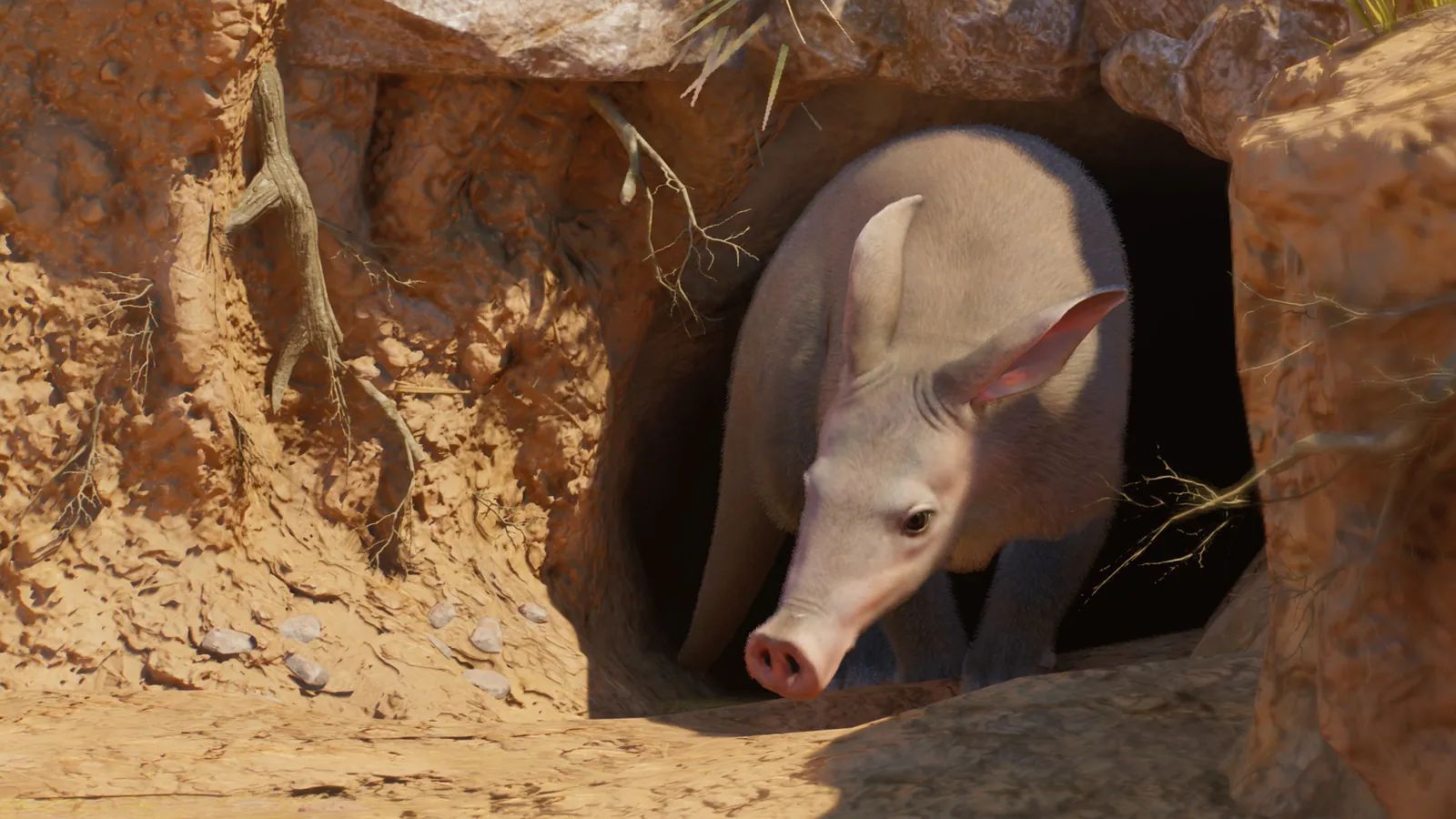
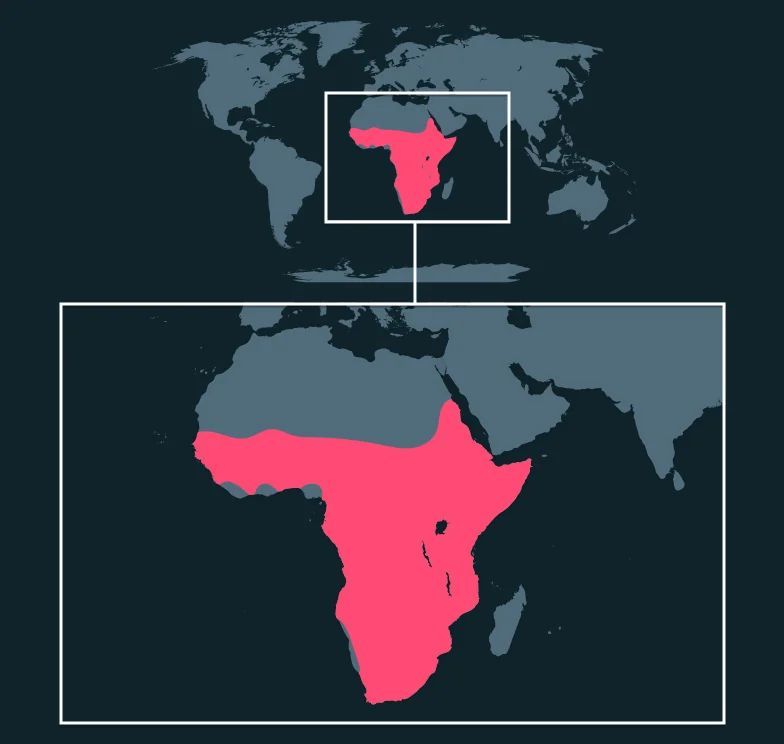
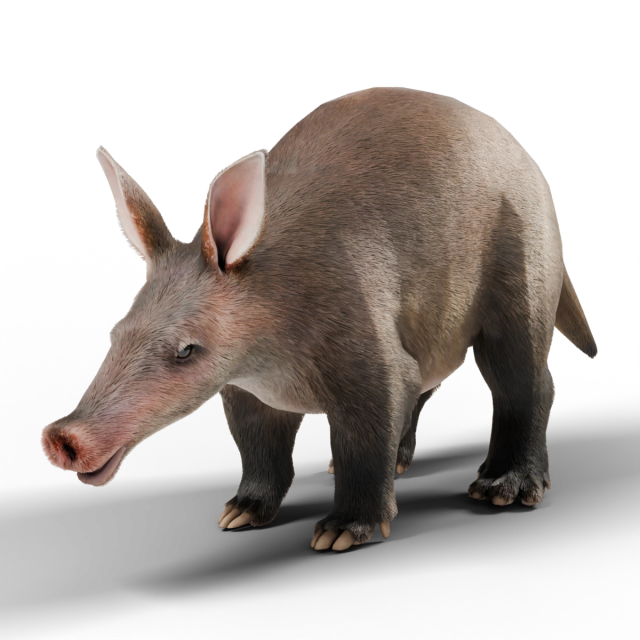
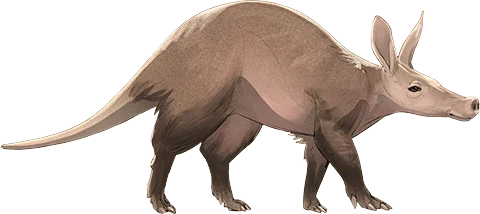
The aardvark (or Orycteropus afer) is a medium-sized insectivore that lives throughout Sub-Saharan Africa. They have pink-grey skin with sparse, coarse hair, large slender ears, and an elongated head that ends in a pig-like snout. Males are slightly larger than females, but both sexes are generally between 105cm and 130cm long, have a tail between 60cm and 70cm, and weigh between 40kg and 65kg.
Found in Africa
Regions
Biomes

Appearance
Adult
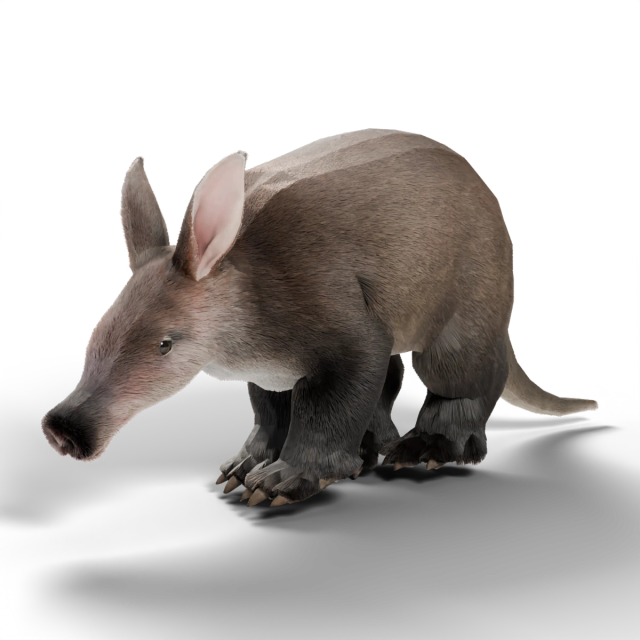
Juvenile
Colourmorphs
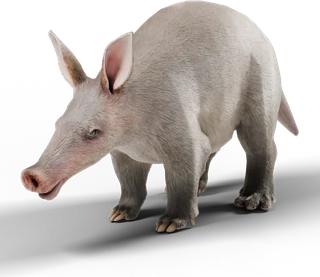 Albino
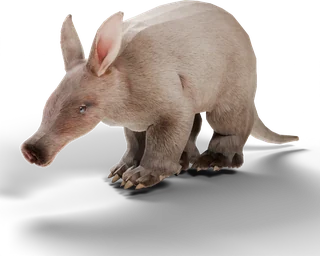 Albino juvenile
Size & weight
Size
Shoulder height: 66 cm
Weight
Male
50 kg
Female
50 kg
Bars use a log scale against the heaviest animal in the Zoopedia, the Common Hippopotamus.
Measured as Shoulder height. The person stands 1.75 m tall for scale.
Habitat requirements
Barrier grade
Grade 2 of 5
Minimum height
1 m minimum
Climbing & water
Climb proof
Not needed
Water barrier
Not allowed
Barriers at this grade
Barrier types with resistance grade 2.



Habitat needs
Minimum area
Land
160 m² + 80 m² per extra animal
Shelter
10 m² per animal
Environment
Temperature
14 to 36°C
Plant coverage
0-25%
Enclosure
Habitat
Dislikes
Rain and snow
Terrain
- Grass 20-70%
- Sand 0-30%
- Soil 20-50%
- Rock 0-20%
Diet and enrichment
Diet
- Nutritionally Complete Meat
- Mealworms






Water sources

Conservation
IUCN Red List
Least concern
Least concern
Critically endangered
The aardvark is not endangered, but it is vulnerable in certain areas. They need a large foraging range in the wild to allow them to acquire enough food, so they are affected by land use change like the expansion of farmland and urban areas. Sometimes they are killed by farmers who want to prevent them from digging up their land, and they are also affected by pesticides that kill the insects they feed on. Ant and termite populations are also negatively affected by more frequent, climate change-induced droughts. Aardvarks are protected in national parks and nature reserves.
Zoopedia sketchbook
Social & reproduction
Keeper notes
With the exception of a mother and her cub, aardvarks are solitary in nature. They only interact when mating or competing over mates. During the mating season, male aardvarks will track females in their burrows by scent and stay with them for a few days. If and when she is receptive, he will mate with her before leaving the burrow. Males may mate with several females during the mating season. The female is pregnant for 7 months before giving birth to 1 cub, which will remain with its mother for 6 months - learning how to forage and dig burrows - before leaving and digging its own. They become sexually mature at 2 years old.
Group and breeding
Group
Group size
1-2 (up to 1 male, up to 1 female)
Male bachelor group
1-2
Female bachelor group
1-2
Offspring dispersal
None
Lifecycle and breeding
Life expectancy
18-28 years
Age of sexual maturity
2 years
Age of sexual sterility
Death
Gestation or incubation
7 months
Interbirth period
17 months
Litter size
1
Mating system
Polygynous
Mating season
Summer
Reproduction in captivity
Easy
Research
Research levels
| Level | Unlocks | Research gate |
|---|---|---|
| Level 1 | Thriving Requirement 1: Animal Burrow, at least 2 | |
| Level 2 | Aardvark Fact Sheet | |
| Level 3 | Thriving Requirement 2: at least 5 objects or plants with the Bushes tag | |
| Level 4 | Thriving Requirement 3: Food Grade 2; Fertility Level 1 (+15% fertility) | Before this level: an Observation Network (Observation Platform) in Great Rift Valley Reserve and this species released in Great Rift Valley Reserve |
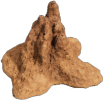
| Level 5 | Thriving Requirement 4: Natural Termite Mound, at least 2 | |
| Level 6 | Thriving Requirement 5: Heavy Soil terrain; Fertility Level 2 (+30% fertility) |
Researched by
Vets
Researched at
Habitat or exhibit and Research Centre
Wildlife Reserve
Great Rift Valley Reserve
Every level of this species' research, with its unlock conditions.
Release groups
Valid release groups
| Group | Type | Animals |
|---|---|---|
| Maternal Family Group | Female group | 1 female |
| Solitary Male | Solitary male | 1 male |
Release requirements
| Requirement type | Requirement |
|---|---|
| Ecosystems Required | Either Savannah or Shrubland |
| Nature Requirements | Burrows |
Release groups, reserve requirements and the roles this species fills.
Animal facts
- Aardvarks only have four toes on their front legs, possibly adapted to form 'shovel-like' feet for digging. Their nostrils are lined with coarse hair and can be closed completely to keep soil out when they are digging.
- Female aardvarks have a white tail tip, believed to make it easier for their cub to follow them in the darkness of their burrows, and during foraging.
- The tongue of the aardvark is 30cm long, sticky and is used to track through tunnels of ant and termite hills to collect many insects at once.
- Abandoned aardvark burrows are important habitats for other animals – mostly warthogs and hyenas.
- Aardvarks have a symbiotic relationship with a species called the 'aardvark cucumber', a plant which grows underground and depends entirely on the aardvark for the dispersal of its seeds. The cucumber is the only non-insect food that the aardvark eats.
Taxonomy
Class
Order
Family
Genus
Species