Overview
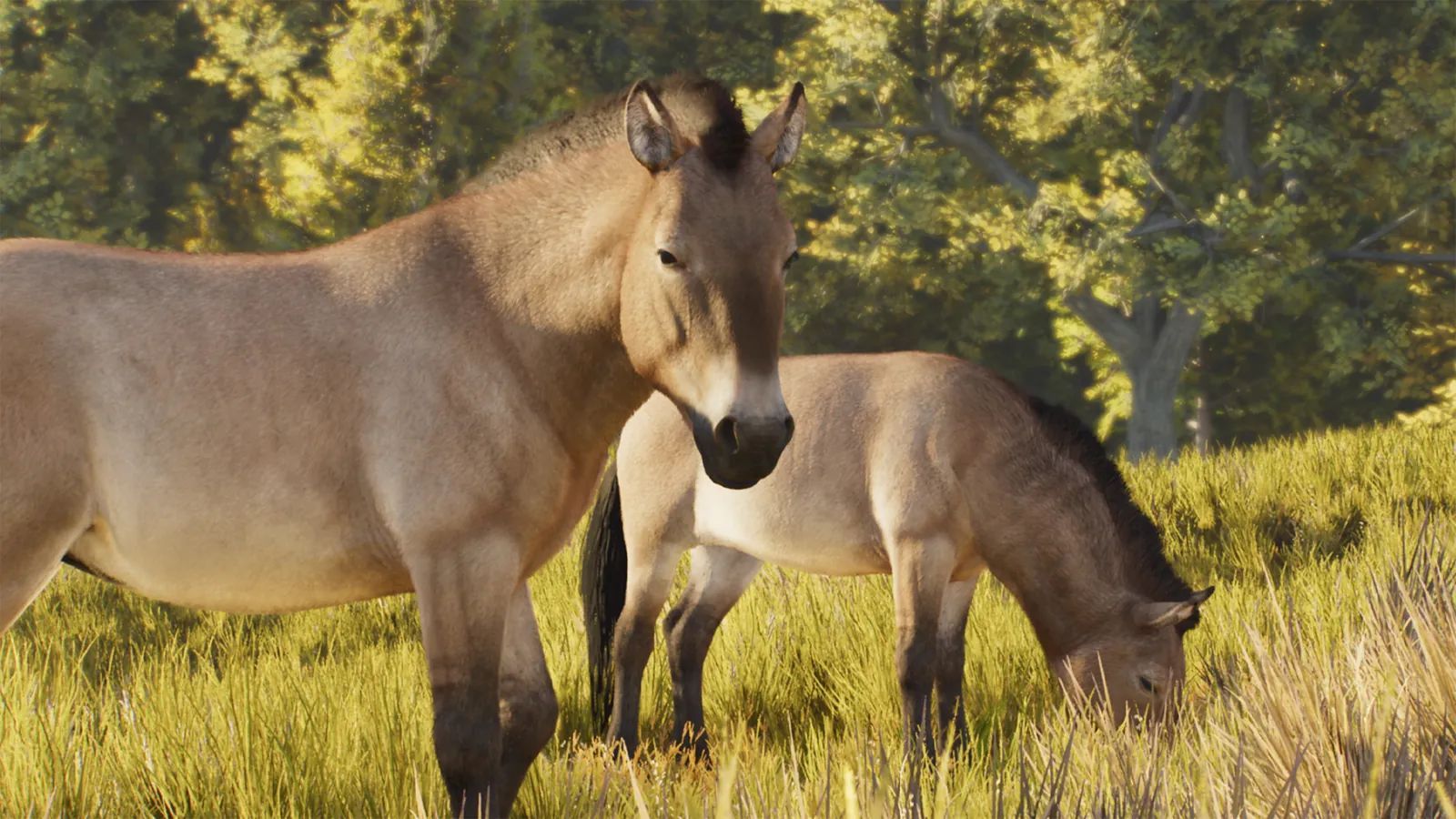
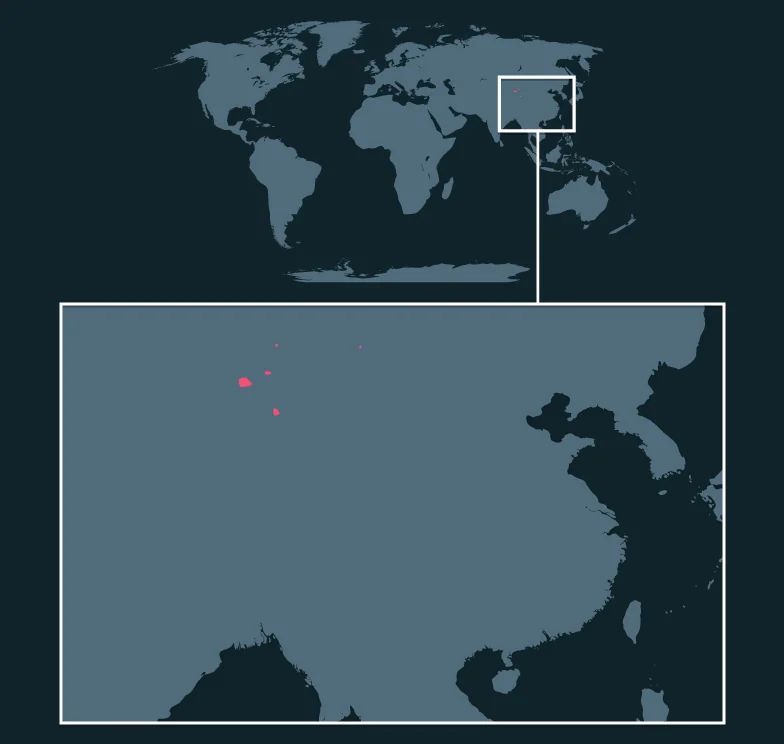
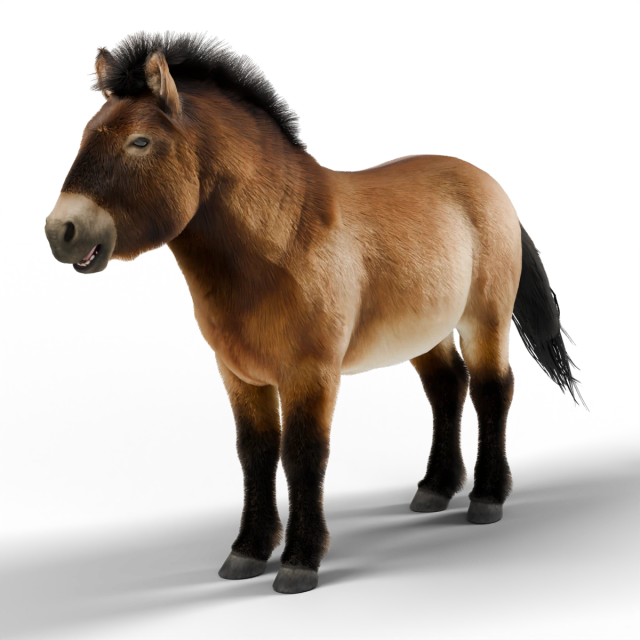
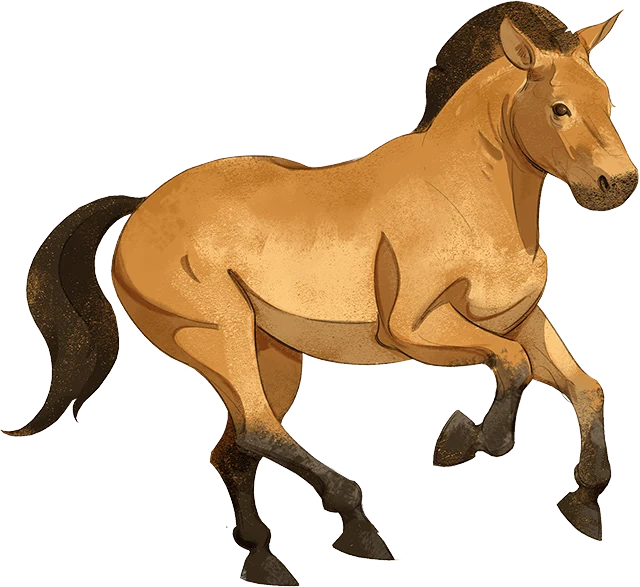
Przewalski’s horse (or Equus ferus przewalskii) is a species of wild horse living in the steppes of Mongolia, also known as the takhi, Mongolian wild horse and the Dzungarian horse. Przewalski’s horse is smaller and has a stockier build than most other equid species. The coat is orange-tan with a paler underside, and is accentuated by an erect black mane, thick black tail and black legs. It measures 2.1m to 2.6m in length and stands between 1.2m and 1.5m high at the shoulders. Mature individuals weigh between 250kg and 360kg. Males may be slightly larger than females, though there is no obvious sexual dimorphism in this species.


Appearance
Adult
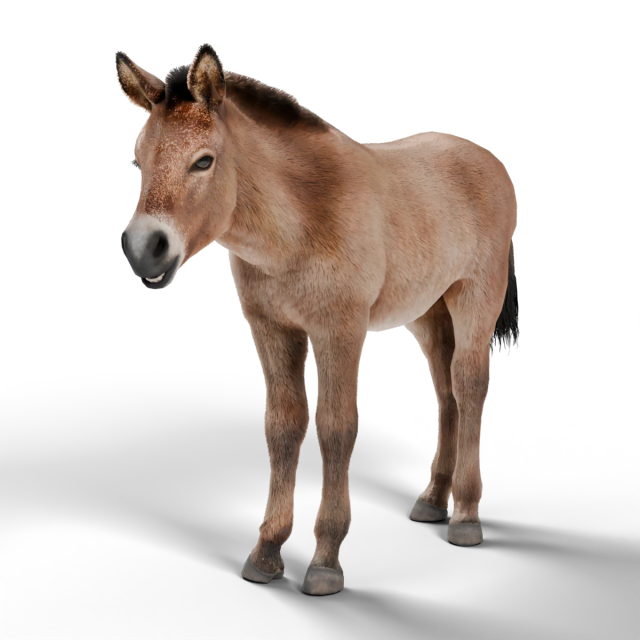
Juvenile
Size & weight
Size
Shoulder height: 1.35 m
Weight
Male
305 kg
Female
305 kg
Bars use a log scale against the heaviest animal in the Zoopedia, the Common Hippopotamus.
Juvenile
Juvenile weight
30.5 kg
Measured as Shoulder height. The person stands 1.75 m tall for scale.
Habitat requirements
Barrier grade
Grade 2 of 5
Minimum height
1.25 m minimum
Climbing & water
Climb proof
Not needed
Water barrier
Not allowed
Barriers at this grade
Barrier types with resistance grade 2.



Habitat needs
Minimum area
Land
460 m² + 140 m² per extra animal
Shelter
10 m² per animal
Environment
Temperature
-26 to 36°C
Plant coverage
0-60%
Enclosure
Habitat
Terrain
- Grass 40-100%
- Sand 0-30%
- Soil 10-60%
- Rock 0-20%
- Snow 0-100%
- Waterlogged 0-10%
Diet and enrichment
Diet
- Hay
- Herbivore Pellets






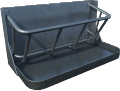


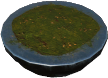




Water sources


Conservation
IUCN Red List
Endangered
Least concern
Critically endangered
Wild population
1,900
1,900 reintroduced, semi-wild in national parks and reserves in the wild. Rank 7 of 58 species with a known count, smallest first.
Once driven to extinction around the 1960s by habitat loss and overhunting, Przewalski’s horse only survived in captivity. It has since been reintroduced to the wild, and the current population is assessed as Endangered. Throughout the 19th and early 20th centuries, their natural habitat in the grasslands of Central Asia was increasingly converted to agricultural land, and hunting for meat or capture for zoos further depleted their stock. Fortunately, those small captive populations survived and later became the foundation for a successful captive breeding and rewilding program. In the 1990s, conservationists and the Mongolian authorities worked to reintroduce captive-bred horses into their native habitat. The first group of horses was released in 1992. Over the years, the population adapted well, forming stable social structures and reproducing in the wild. Today, several protected areas in Mongolia, Kazakhstan and even Ukraine host thriving populations of Przewalski’s horses, making it one of the most successful cases of large mammal reintroduction.
Zoopedia sketchbook
Social & reproduction
Keeper notes
Przewalski’s horses live in cohesive herds, which are composed of several harems. In a harem there is one mature stallion, several females and their young offspring. Young males that have not yet gained their own harem or old males who have lost their harem live in bachelor herds. Young female Przewalski’s horses leave their natal group to join an unrelated stallion’s harem, in which she will remain for life. Stallions acquire several females over their life, growing their harems until no longer fit to defend them. Old stallions who lost their harem may join bachelor herds. The dominant stallion will mate with the mares in his harem from April to May. Mares are pregnant for 11 to 12 months, and give birth to a single foal. Foals begin eating solid food at 1 month old and are fully weaned by 8 to 13 months old, usually when a new foal is born to the mother. 85% of foal deaths are caused by unrelated stallions trying to bring the female back into oestrus. Mares can mate and conceive again 7 days after birth. Przewalski’s horses reach sexual maturity at 2 years old, but females are unlikely to mate until 3 years old, and males will not actively try to form their own harem until 5 years old. Females leave their natal harem when they are acquired by another stallion, while males disperse between 1 to 2 years old and form bachelor herds, where they playfight to learn how to defend their own harem later.
Group and breeding
Group
Group name
Harem
Group size
3-8 (up to 1 male, up to 7 females)
Male bachelor group
1-8
Female bachelor group
1-8
Offspring dispersal
Male offspring
Lifecycle and breeding
Life expectancy
25-36 years
Age of sexual maturity
2 years
Age of sexual sterility
Death
Gestation or incubation
12 months
Interbirth period
12 months
Litter size
1
Mating system
Polygynous
Mating season
Spring
Reproduction in captivity
Easy
Dominance
1 dominant male per group, females ranked by age
Research
Research levels
| Level | Unlocks | Research gate |
|---|---|---|
| Level 1 | Thriving Requirement 1: Long Grass terrain; Przewalski's Horse Fact Sheet | |
| Level 2 | Thriving Requirement 2: Sand terrain; Fertility Level 1 (+15% fertility) | |
| Level 3 | Thriving Requirement 3: Food Grade 2; Release groups and release to the wild | |
| Level 4 | Thriving Requirement 4: Grazing Ball Feeder, at least 3 | |
| Level 5 | Thriving Requirement 5: at least 12 objects or plants with the Grass tag; Fertility Level 2 (+30% fertility) |
Researched by
Vets
Researched at
Habitat or exhibit and Research Centre
Every level of this species' research, with its unlock conditions.
Release groups
Valid release groups
| Group | Type | Animals |
|---|---|---|
| Mixed Group | Mixed group | 1 male, 3 to 5 females |
Release groups, reserve requirements and the roles this species fills.
Animal facts
- The exact taxonomic status of Przewalski’s horse is still debated, some arguing it is a subspecies of what became the domestic horse, while others classify it as a separate species of wild horse.
- Przewalski’s horse has 33 chromosomal pairs, whereas modern domestic horses have 32, indicating they became genetically separate long ago.
- In 2020, the first cloned Przewalski’s horse was born as part of an assisted breeding programme. The foal was created using a frozen cell from a stallion that died in 1998 and is hoped to add much needed genetic diversity back into the population.
- There are over 100 Przewalski’s horses living in the Chernobyl exclusion zone in Eastern Europe.
- Przewalski’s horse is thought to be similar in appearance to what the wild ancestors of the domesticated horse could have looked like, with a dun coat and primitive markings on the back and the legs.
Taxonomy
Class
Order
Family
Genus
Species