Overview
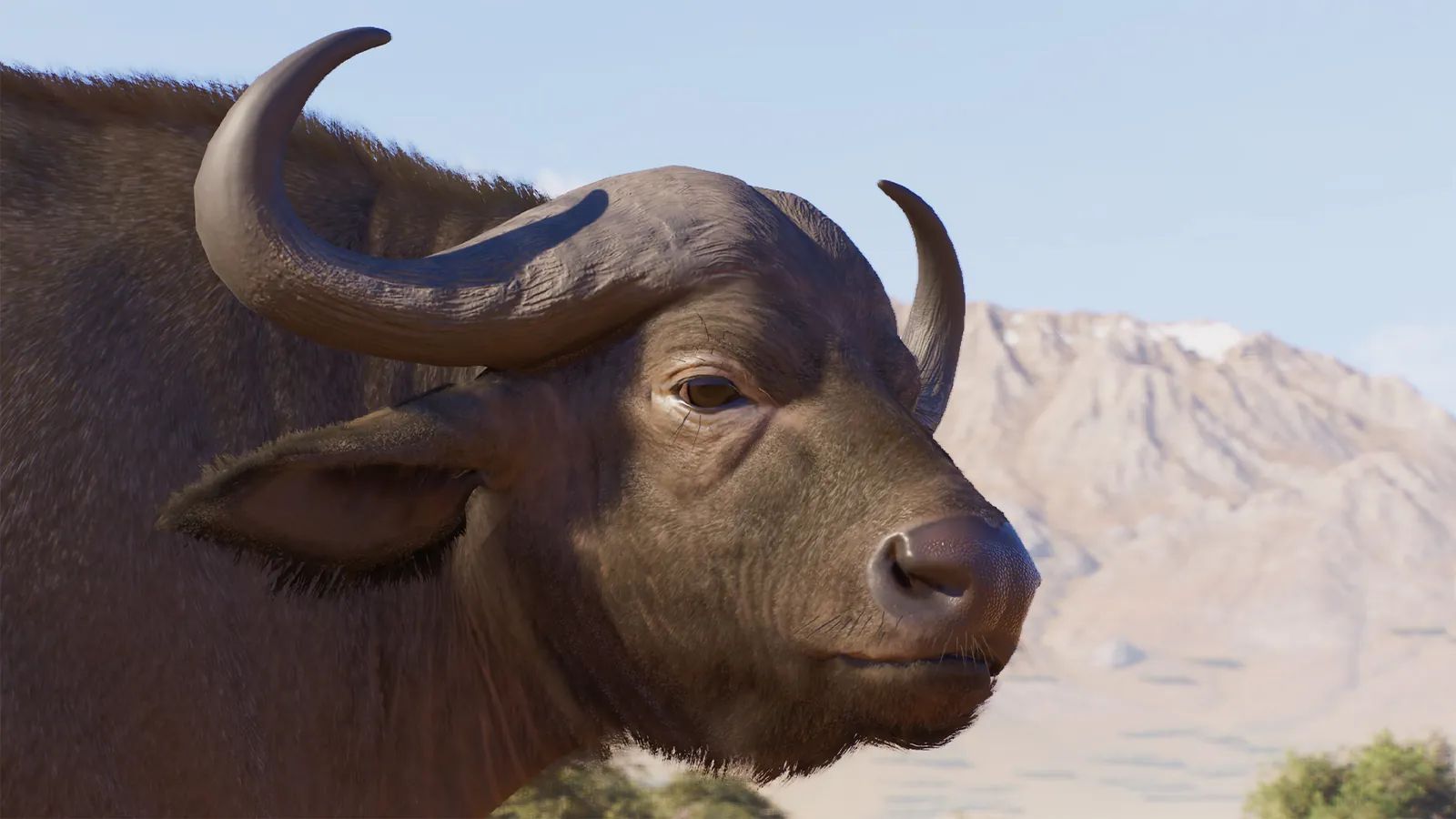
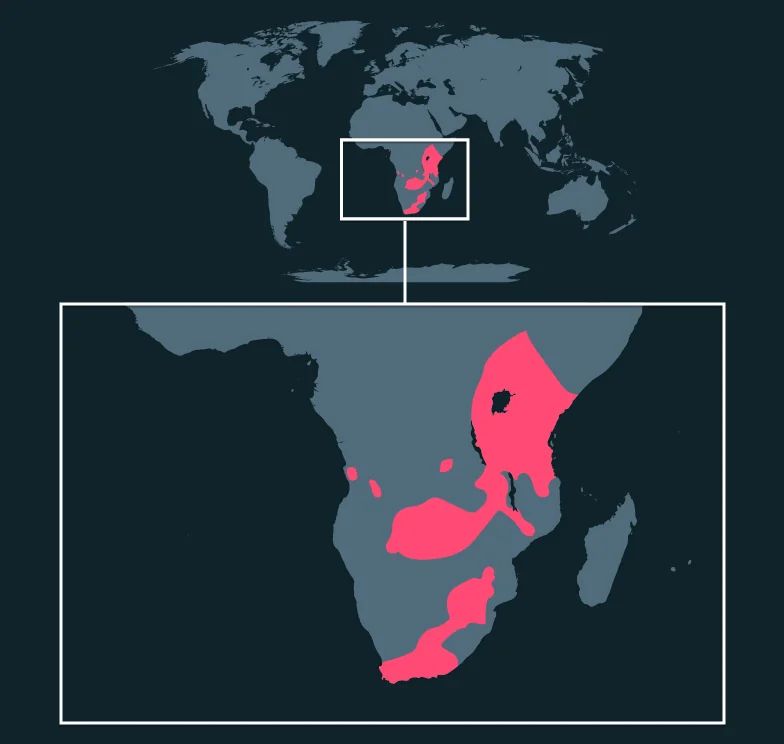
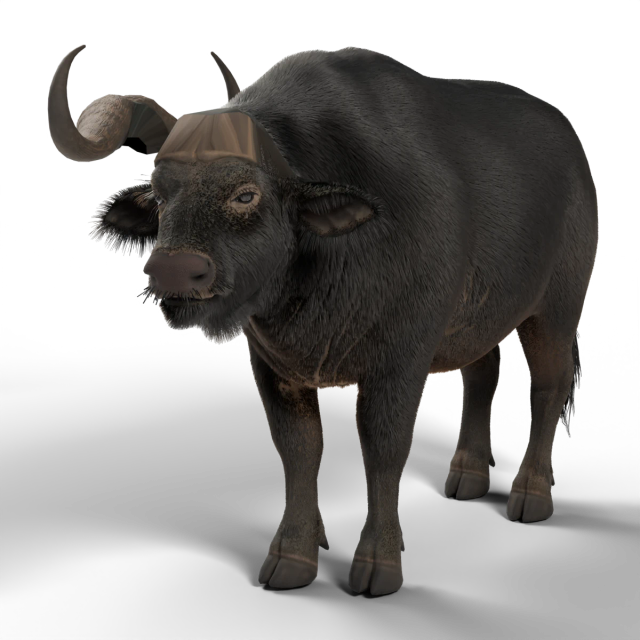
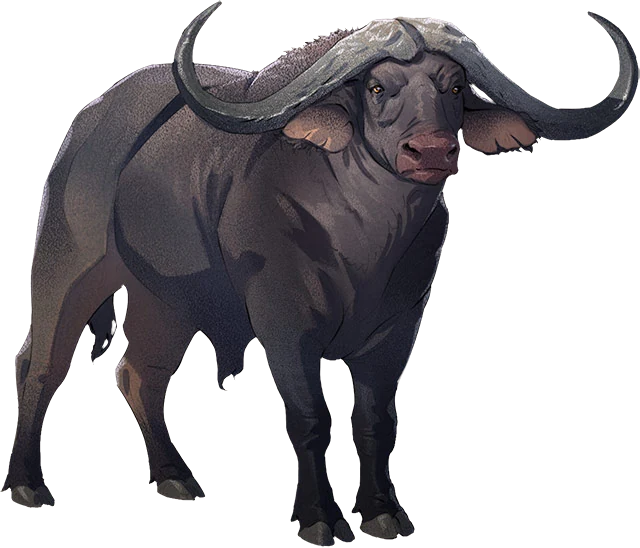
The Cape buffalo (or Syncerus caffer caffer) inhabits a wide range of ecosystems across sub-Saharan Africa, including savannas, open woodlands, floodplains, and grasslands, but it is always closely tied to permanent water sources. Its range extends from eastern and southern Africa through parts of central Africa, wherever suitable grazing and water are available. In appearance, the Cape buffalo is a massive, powerfully built animal with a dark brown to nearly black coat, a broad muzzle, and strong legs. Adult males are especially distinctive for their thick, curved horns that join at the base to form a heavy bony shield, or “boss,” across the forehead. Adults are 1.4m to 1.7m tall and measure up to 3.4m in length. Males usually weigh between 500kg and 900kg, while females weigh between 400kg and 600kg.


Appearance
Male
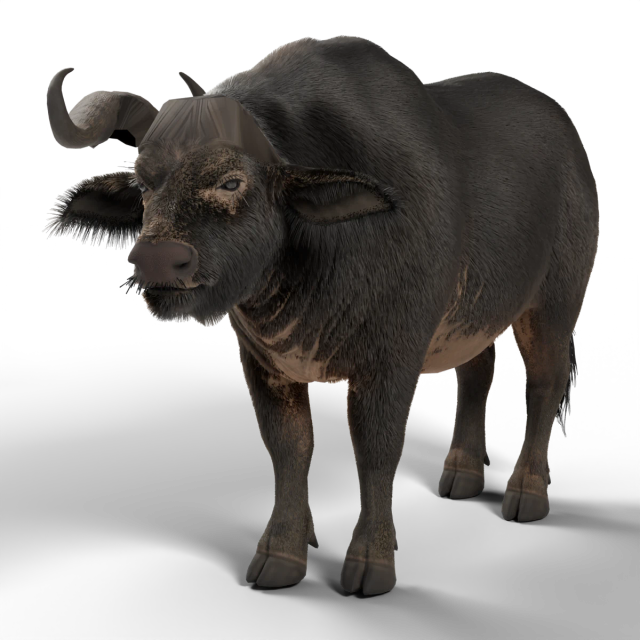
Female
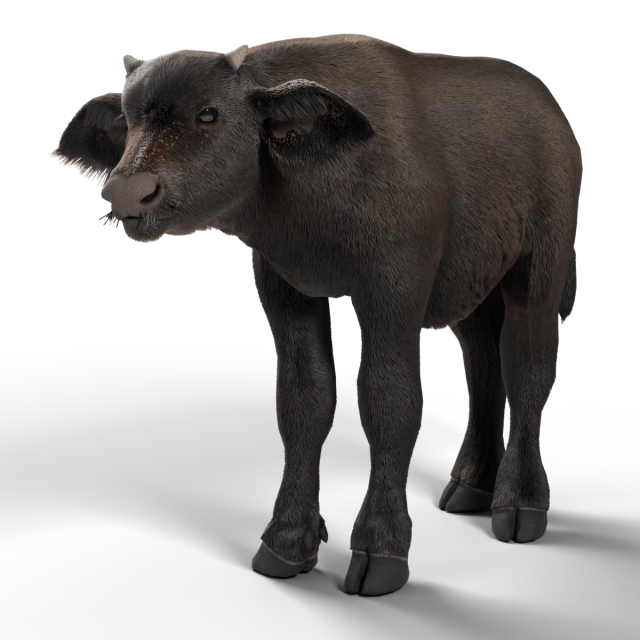
Juvenile
Colourmorphs
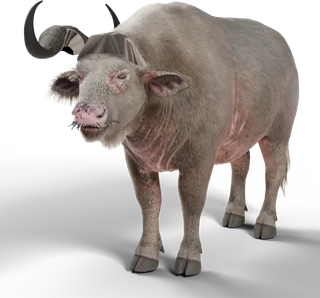 Albino male
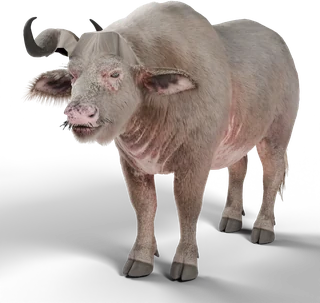 Albino female
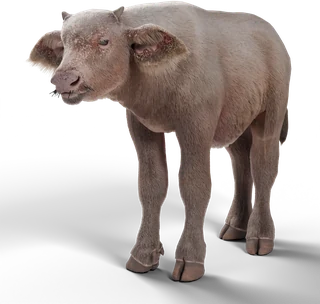 Albino juvenile
Size & weight
Size
Shoulder height: 1.5 m
Weight
Male
680 kg
Female
580 kg
Bars use a log scale against the heaviest animal in the Zoopedia, the Common Hippopotamus.
Measured as Shoulder height. The person stands 1.75 m tall for scale.
Habitat requirements
Barrier grade
Grade 3 of 5
Minimum height
1.25 m minimum
Climbing & water
Climb proof
Not needed
Water barrier
Not allowed
Barriers at this grade
Barrier types with resistance grade 3 or higher.






Habitat needs
Minimum area
Land
420 m² + 90 m² per extra animal
Water
20 m² + 10 m² per extra animal
Shelter
15 m² per animal
Environment
Temperature
14 to 36°C
Plant coverage
0-50%
Enclosure
Habitat
Terrain
- Grass 30-100%
- Short Grass 25-100%
- Sand 0-30%
- Soil 10-40%
- Rock 0-20%
- Waterlogged 0-10%
Thriving Relationships
African Savannah: sharing a habitat with one of these species fulfils a Thriving requirement.






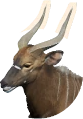


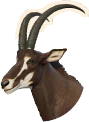


Diet and enrichment
Diet
- Hay
- Herbivore Pellets







Enrichment items






Water sources


Conservation
IUCN Red List
Near threatened
Least concern
Critically endangered
Wild population
564,000
564,000 in the wild. Rank 53 of 58 species with a known count, smallest first.
The Cape buffalo is a species with Near Threatened status. Habitat loss, agricultural expansion, and extensive fencing have fragmented populations, restricting access to seasonal grazing and permanent water., resulting in population decline and genetic erosion, particularly in smaller, fenced reserves. Hunting pressure, illegal killing, and conflict with people further strain coexistence in parts of its range. Diseases cause devastating population crashes, including bovine tuberculosis, corridor disease, circulating between buffalo, cattle, and sympatric wildlife. Periodic droughts concentrate buffalo at limited water sources and increase stress and disease transmission. Conservation strategies focus on maintaining large, connected populations. Protected areas and anti-poaching efforts are central, supported by linking local livelihoods to wildlife through tourism and regulated hunting. Veterinary monitoring and disease management are applied cautiously to balance ecological integrity with livestock health concerns. Reducing unnecessary fencing, restoring wildlife movement routes, and integrating livestock and wildlife health management is viewed as essential for the long-term resilience of Cape buffalo populations.
Zoopedia sketchbook
Social & reproduction
Keeper notes
Cape buffalo live in herds made up of related female groups, with bachelor groups and solitary dominant males on the periphery of the female group. A herd can be made up of many of these groups. Cape buffalo mate year-round. A male will track females for signs of oestrus, and upon finding a receptive female, he will defend her from rival males until he is able to mate with her. Males with higher dominance are more likely to successfully guard and mate with females. The female will give birth to a single calf after a pregnancy of 11.5 months. Calves remain close to their mother until between 1 to 2 years old. Males will leave their mother’s group and join a bachelor herd at this age, females remain with their mother’s herd.
Group and breeding
Group
Group name
Herd
Group size
3-15 (up to 1 male, up to 14 females)
Male bachelor group
1-5
Female bachelor group
1-15
Offspring dispersal
Male offspring
Lifecycle and breeding
Life expectancy
11-32 years
Age of sexual maturity
4 years
Age of sexual sterility
16 years
Gestation or incubation
12 months
Interbirth period
12 months
Litter size
1
Mating system
Polygynous
Mating season
Aseasonal
Reproduction in captivity
Easy
Dominance
Dominant male bull, Female herds with age based dominance
Research
Research levels
| Level | Unlocks | Research gate |
|---|---|---|
| Level 1 | Thriving Requirement 1: at least 3 objects or plants with the Trees tag | |
| Level 2 | Cape Buffalo Fact Sheet | |
| Level 3 | Thriving Requirement 2: Sand terrain | |
| Level 4 | Thriving Requirement 3: Food Grade 2; Fertility Level 1 (+15% fertility) | Before this level: an Observation Network (Observation Platform) in Great Rift Valley Reserve and this species released in Great Rift Valley Reserve |
| Level 5 | Thriving Requirement 4: Waterlogged terrain | |
| Level 6 | Thriving Requirement 5: African Savannah Social Group; Fertility Level 2 (+30% fertility) |
Researched by
Vets
Researched at
Habitat or exhibit and Research Centre
Wildlife Reserve
Great Rift Valley Reserve
Every level of this species' research, with its unlock conditions.
Release groups
Valid release groups
| Group | Type | Animals |
|---|---|---|
| Mixed Group | Mixed group | 1 to 2 males, 4 to 12 females |
| Male Bachelor Herd | Male group | 3 to 5 males |
Release requirements
| Requirement type | Requirement |
|---|---|
| Ecosystems Required | Dense Forest |
Ecosystems

Release groups, reserve requirements and the roles this species fills.
Animal facts
- The Cape buffalo is one of the most dangerous animals in Africa, responsible for numerous injuries and fatalities annually.
- Unlike other bovid species, the Cape buffalo is immune to ‘sleeping sickness’; a deadly disease transmitted by the tsetse fly.
- Cape buffalo have excellent memories and have been known to make attacks against lions and hunters that have targeted their herd in the past, especially if a calf has been injured.
- Due to the aggressive nature of the Cape buffalo, all attempts at domestication as a livestock animal have failed.
- Cape buffalo have a symbiotic relationship with a species of bird called the ‘oxpecker’ that removes ticks from their skin.
Taxonomy
Class
Order
Family
Genus
Species


