Overview
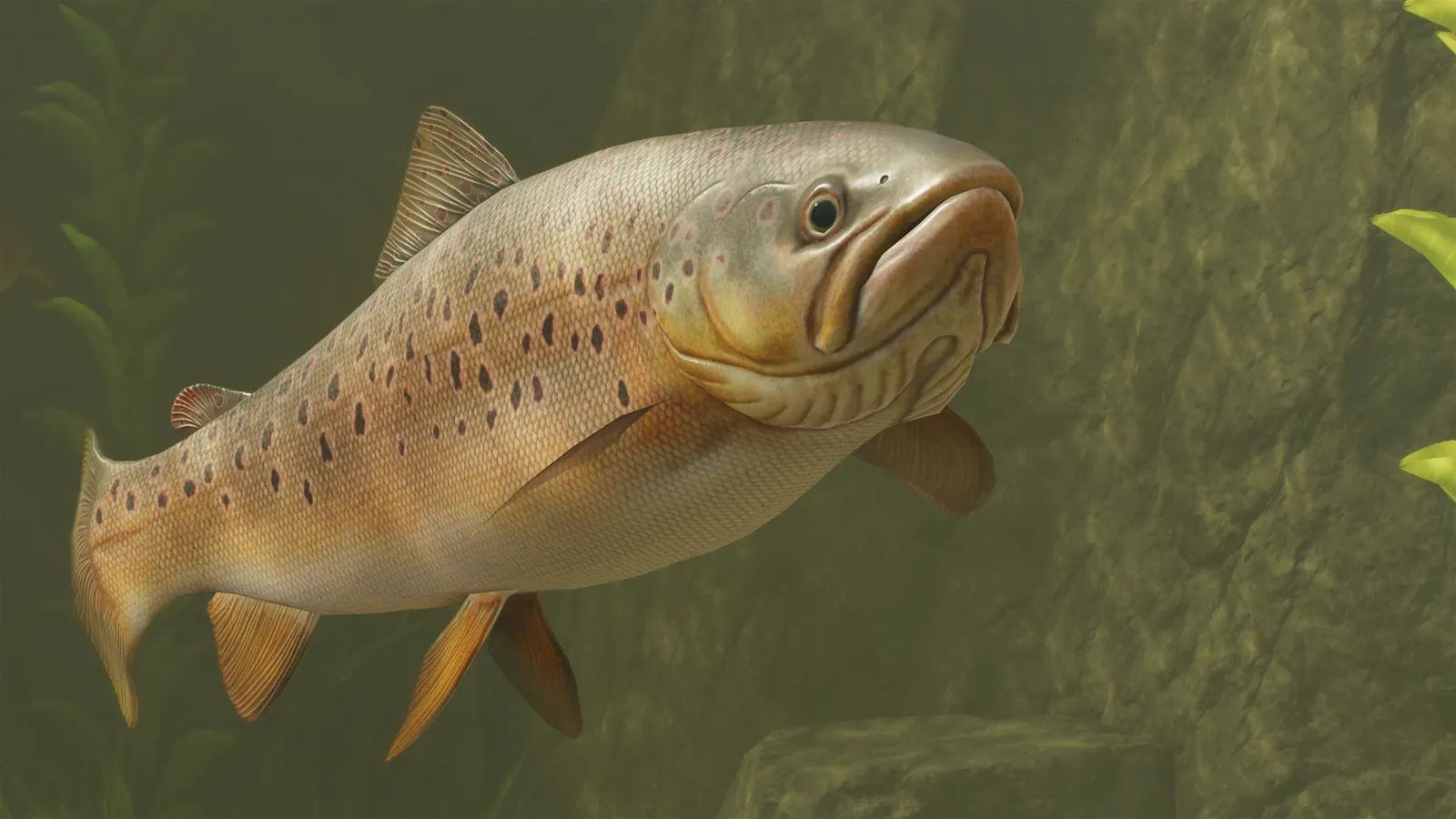
The brown trout (or Salmo trutta) is a widely distributed freshwater fish native to Europe, North Africa, and western Asia, and it has been introduced to many other regions including North America, South America, Australia, and New Zealand. It inhabits cool, well-oxygenated rivers, streams, and lakes, often favouring areas with riffles, pools, and abundant cover such as submerged rocks or overhanging vegetation. Brown trout show variation in colouration and markings depending on habitat, but they generally have a golden-brown to olive-brown body with numerous dark spots and occasional red or orange spots along their sides surrounded by pale halos. They are moderate-sized fish, typically ranging from 30cm to 80cm in length and weighing 1kg to 7kg.
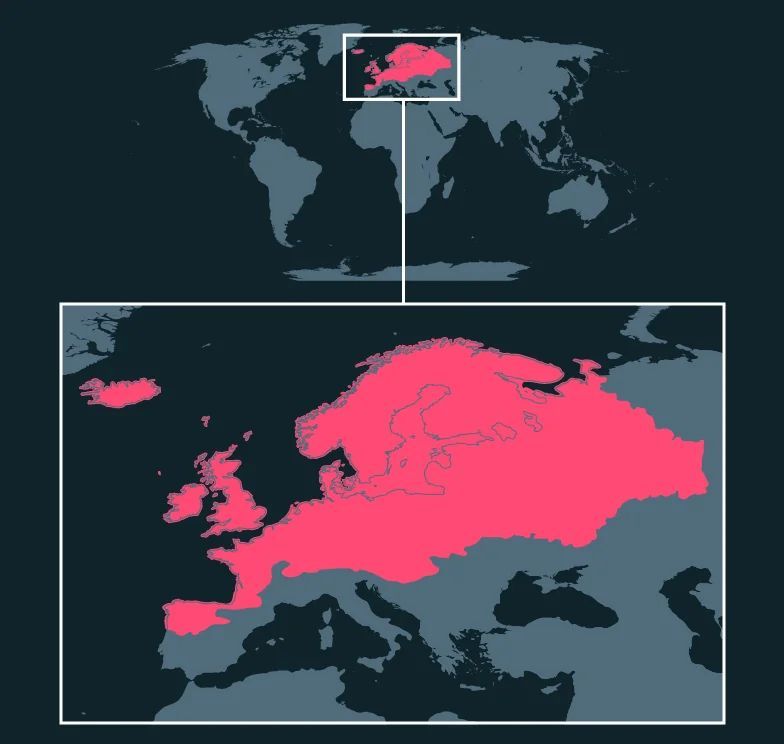
Found in Europe, Western Asia, North Africa (Atlas Mountains)
Regions
Biomes

Appearance
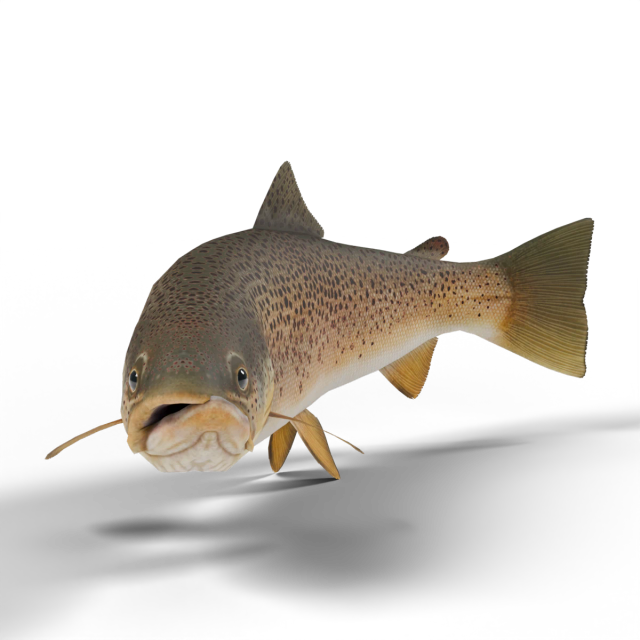
Adult
Habitat needs
Minimum area
Deep water
50 m² + 15 m² per extra animal
Environment
Temperature
12 to 19°C
Plant coverage
20-60%
Water salinity
Freshwater
Enclosure
Aquarium
Exhibit types
- Large Box Exhibit
- Large Angled Box Exhibit
- Large Cylinder Exhibit
Diet and enrichment
Diet
- Copepods
- Algae Pellets
Conservation
IUCN Red List
Least concern
Least concern
Critically endangered
Brown trout are considered a species of Least Concern. In Europe, rising river temperatures due to climate change threaten spawning success, as eggs require cool, well-oxygenated water. In North America, introduced brown trout compete with native salmonids, while damming, pollution, and water extraction reduce suitable habitats. In parts of Africa, the Middle East, and Asia, declining water quality and deforestation have fragmented populations. Collectively, this has resulted in local population declines and increased vulnerability to disease, making brown trout conservation a global concern. Efforts to mitigate these threats vary by region but share common strategies. Habitat restoration includes removing barriers like dams, improving water quality, and restoring riverbanks and spawning grounds. Hatchery-raised trout help supplement declining wild populations and regulation of fishing practices aims to reduce overharvesting. Conservation organisations worldwide collaborate on monitoring programs and public education to ensure sustainable management. These combined efforts seek to preserve brown trout populations while maintaining healthy freshwater ecosystems globally.
Zoopedia sketchbook
Social & reproduction
Keeper notes
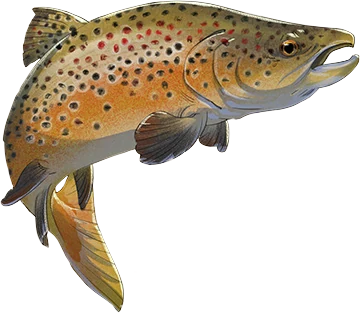
Brown trout are solitary and territorial fish, but they become more social during spawning events. The brown trout begin courtship in the cooler months, typically autumn to early winter in temperate regions. During this period, males develop more pronounced colouration and a hooked jaw (kype) to signal dominance. Males compete for prime nesting sites, which are shallow depressions in gravelly stream beds. Males nudge and circle females to encourage spawning, often accompanied by ritualised displays to ward off rival males. Females select suitable sites with good water flow and oxygenation to deposit eggs, and males fertilise them externally simultaneously. This synchronised spawning maximizes fertilisation success, and a single female can lay thousands of eggs depending on her size and health. After fertilisation, the eggs develop within the gravel for several weeks, sped up by higher water temperatures. They remain hidden in the gravel, relying on their yolk sac for nourishment until they emerge as free-swimming fry. The fry gradually move into shallow riffles and pools, feeding on aquatic invertebrates. Brown trout have a wide range of life histories, with some individuals remaining in freshwater for their entire life (resident trout), while others adopt an anadromous lifestyle, migrating to the sea as sea trout before returning to freshwater to spawn. This flexible life cycle allows brown trout to exploit a variety of habitats and adapt to changing environmental conditions, supporting population resilience. Brown trout become sexually mature between 2 and 4 years old.
Group and breeding
Group
Exhibit colony size
Up to 6
Shoal size
10-20
Lifecycle and breeding
Life expectancy
15 years
Age of sexual maturity
3 years
Mating season
Autumn
Dominance
Larger males are more dominant
Research
Research levels
| Level | Unlocks | Research gate |
|---|---|---|
| Level 1 | Fertility Level 1 (+15% fertility) | |
| Level 2 | Brown Trout Fact Sheet | |
| Level 3 | Release groups and release to the wild | |
| Level 4 | Fertility Level 2 (+30% fertility) | Before this level: an Observation Network (Observation Platform) in Sweden Reserve and this species released in Sweden Reserve |
Researched by
Vets
Researched at
Varies by level
Wildlife Reserve
Sweden Reserve
Every level of this species' research, with its unlock conditions.
Release groups
Valid release groups
| Group | Type | Animals |
|---|---|---|
| Mixed Shoal | Mixed group | 15 to 35 fish |
Release requirements
| Requirement type | Requirement |
|---|---|
| Ecosystems Required | Either Lake or Lake (Loch) |
Ecosystems


Release groups, reserve requirements and the roles this species fills.
Animal facts
- There are several ‘ecotypes’ of brown trout, such as the riverine (inhabiting rivers), the lacustrine (inhabiting lakes) and anadromous (inhabiting both rivers and the sea).
- Brown trout are among the most genetically diverse species on the planet, with British populations of brown trout having more genetic variation than the entire human race.
- A typical female brown trout produces 2000 eggs per kg of body weight.
- Compared to other trout species, brown trout have a higher tolerance for warmer waters. This adaptability allows them to thrive in a wider range of habitats.
- Brown trout are known for their elusive nature. They often become more active at night, especially during spring and summer months, making them challenging targets for anglers.
Taxonomy
Class
Order
Family
Genus
Species