Overview
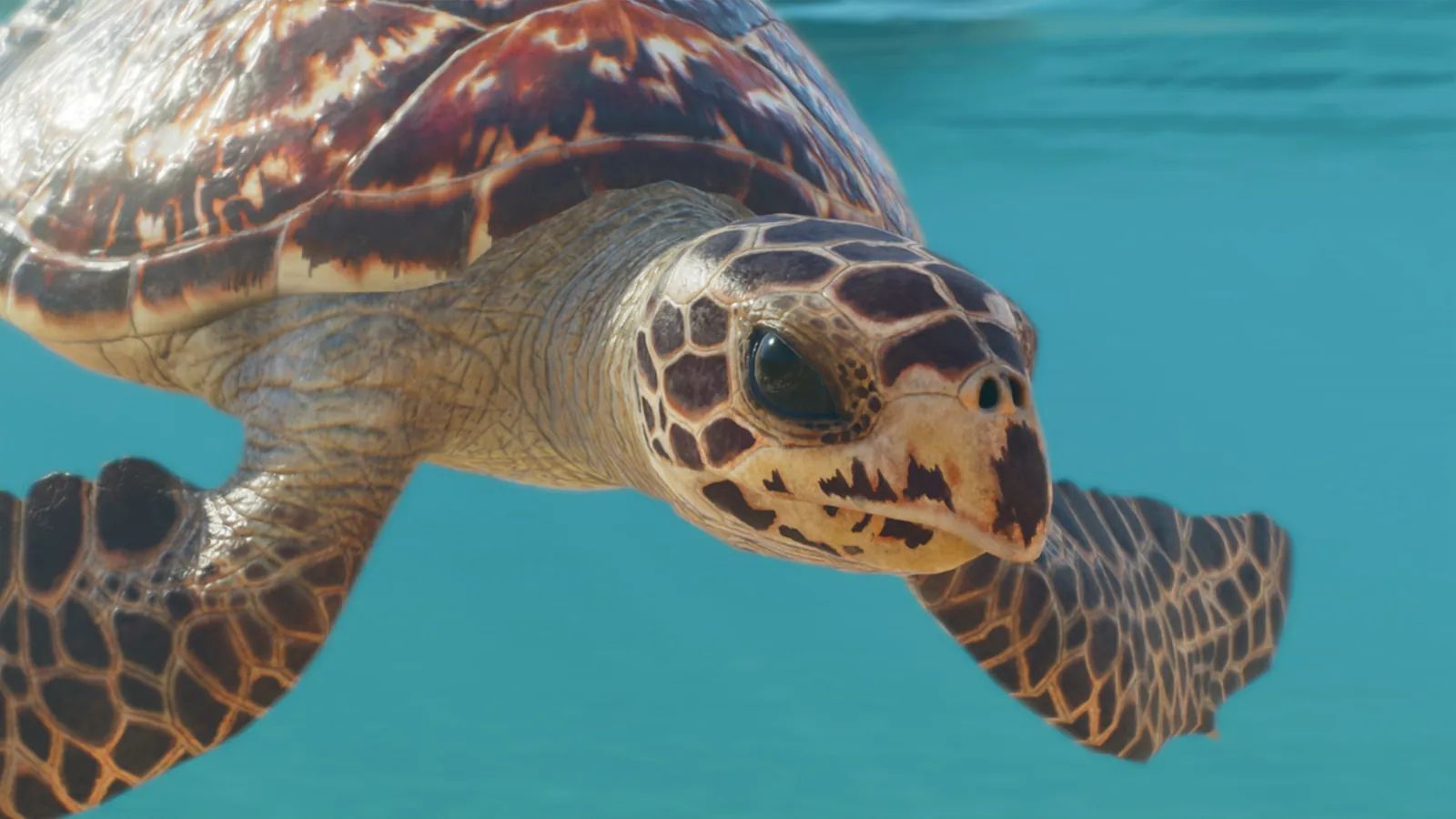
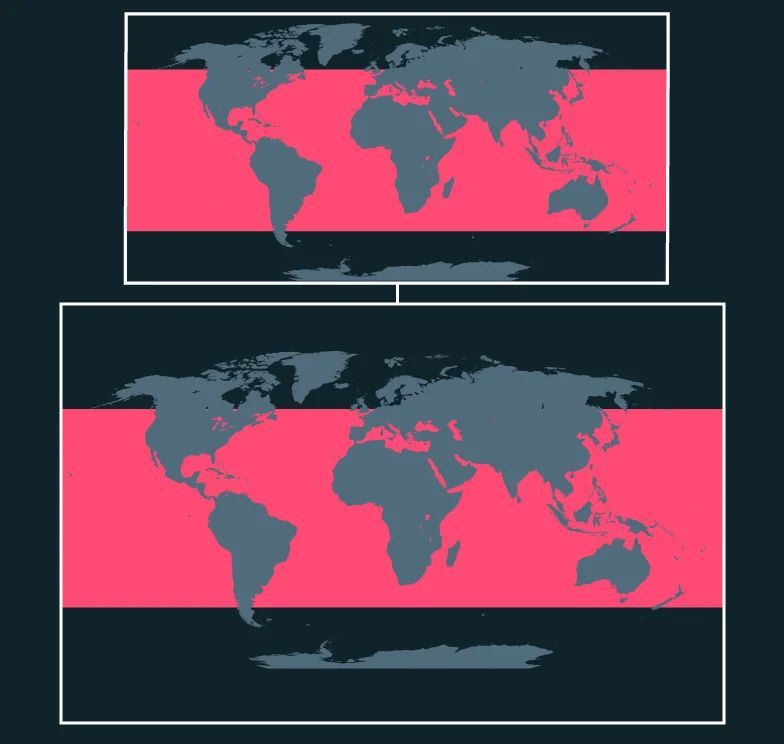
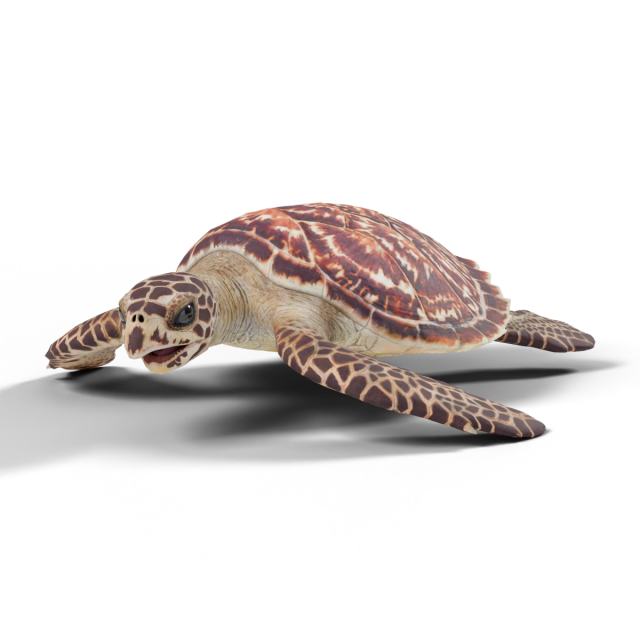
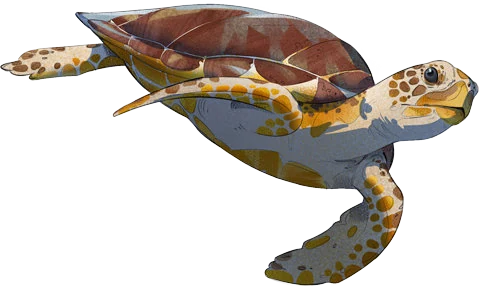
The hawksbill turtle (or Eretmochelys imbricata) is a medium-sized sea turtle living in the Atlantic, Pacific, and Indian Oceans. They inhabit tropical and subtropical marine environments such as coral reefs, lagoons, and coastal areas with rocky outcrops where sponges are abundant. The hawksbill turtle has a patterned shell with overlapping scales with a distinctive, jagged appearance. Its carapace is brown and gold, often streaked with dark and light markings. Adult hawksbill turtles grow to about 75cm to 90cm in carapace length and weigh between 45kg and 70kg.

Appearance
Adult
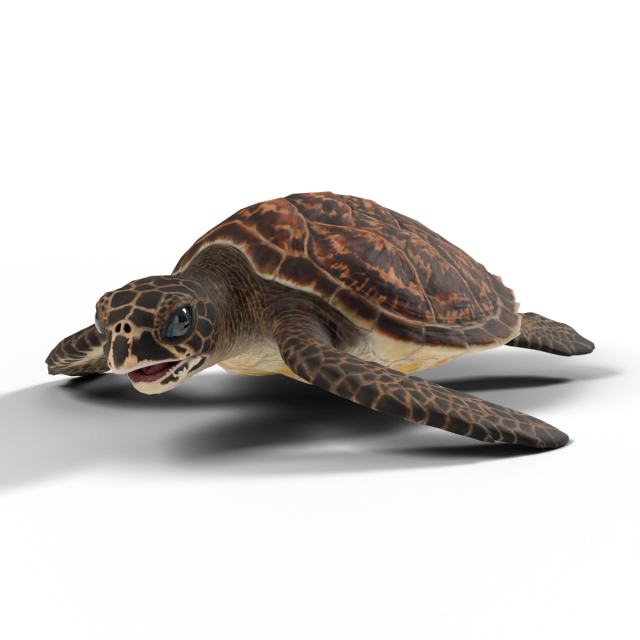
Juvenile
Colourmorphs
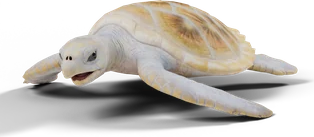 Albino
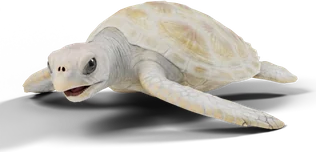 Albino juvenile
Size & weight
Size
Nose to rump: 80 cm
Juvenile
Juvenile weight
17.5 kg
Measured as Nose to rump. The person stands 1.75 m tall for scale.
Habitat requirements
Barrier grade
Grade 2 of 5
Minimum height
1 m minimum
Climbing & water
Climb proof
Not needed
Water barrier
Not allowed

Habitat needs
Minimum area
Deep water
100 m² + 25 m² per extra animal
Environment
Temperature
22 to 30°C
Plant coverage
10-70%
Water salinity
Brackish, Saltwater
Enclosure
Aquarium
Dislikes
Snow
Terrain
- Fine Sand 50-100%
- Soil 0-5%
- Coarse Sand 0-5%
- Rock 0-50%
Thriving Relationships
Indo-Pacific Reef Shoals: sharing a habitat with one of these species fulfils a Thriving requirement.




Diet and enrichment
Diet
- Leafy Greens and Vegetables
- Clams and Crustaceans



Enrichment items



Conservation
IUCN Red List
Critically endangered
Least concern
Critically endangered
Hawksbill turtles are Critically Endangered. They are heavily poached for their shells, which have been used in crafts for centuries, and sometimes, eggs are taken for food. Coral reef degradation threatens their primary habitat, while rising global temperatures affect the temperature dependent sex determination during hatching, with warmer sand temperatures creating a sex imbalance in the population. Sea turtles drown in fishing nets and often get caught as bycatch or may mistake drifting plastic bags for food and die of impaction. The slow reproductive rates further complicate survival of the species. Conservation focuses on nest protection, trade restrictions, and pollution reduction. Some populations have stabilised or even increased due to these measures. Conservationists monitor and relocate vulnerable nests. Head-starting programs raise hatchlings in controlled environments before releasing them into the wild. Beach clean-ups can reduce the risk of swallowing plastics, while turtle-friendly fishing gear can help reduce bycatch and drowning incidents. Trade is banned internationally, though illegal trafficking continues in places. Eco-tourism projects may provide alternative income for people who may otherwise rely on turtle product trade.
Zoopedia sketchbook
Social & reproduction
Keeper notes
Hawksbill Turtles are solitary and only interact with other individuals to mate. The breeding season of hawksbill turtles varies by location, but usually takes place between April and November. With a relatively long interbirth period, a female may only mate every 2 to 5 years. Mating takes place in shallow waters, and both males and females mate with multiple partners, so a clutch of eggs will have multiple fathers. Females return to their natal beaches to lay their eggs after mating. Usually at night, the female crawls ashore and digs a hole with her flippers, into which she then deposits and buries 100 to 200 eggs. One female may create over 5 nests in a season. She provides no further care for the nests. The eggs incubate in the ground for 2 months. Sand temperature determines hatchling sex: the warmer, the more females are born. When they are ready to hatch, the young turtles break out of the egg using an egg tooth, called caruncle, and emerge from the nest at night to avoid predators. They instinctively crawl towards the brightest horizon, which is typically the moonlit ocean, but may get confused due to light pollution. Once in the ocean, juveniles drift with the currents and feed on plankton and small marine organisms. They remain in the open waters for 10 to 20 years, before moving into coastal and reef habitats. Hawksbill turtles reach sexual maturity at 20 to 35 years of age.
Group and breeding
Group
Group size
1-4 (up to 1 male, up to 3 females)
Male bachelor group
1-4
Female bachelor group
1-4
Offspring dispersal
None
Lifecycle and breeding
Life expectancy
30-50 years
Age of sexual maturity
25 years
Age of sexual sterility
Death
Gestation or incubation
2 months
Interbirth period
34 months
Clutch size
2-4
Nest Type
Turtle Nest - Large
Mating system
Monogamous
Mating season
Spring
Reproduction in captivity
Difficult
Research
Research levels
| Level | Unlocks | Research gate |
|---|---|---|
| Level 1 | Thriving Requirement 1: Indo-Pacific Reef Shoals Social Group; Hawksbill Turtle Fact Sheet | |
| Level 2 | Thriving Requirement 2: at least 5 objects or plants with the Seagrass tag; Fertility Level 1 (+15% fertility) | |
| Level 3 | Thriving Requirement 3: Food Grade 2; Release groups and release to the wild | |
| Level 4 | Thriving Requirement 4: at least 50% native plants | |
| Level 5 | Thriving Requirement 5: at least 10 objects or plants with the Coral tag; Fertility Level 2 (+30% fertility) |
Researched by
Vets
Researched at
Habitat or exhibit and Research Centre
Every level of this species' research, with its unlock conditions.
Release groups
Valid release groups
| Group | Type | Animals |
|---|---|---|
| Solitary Male | Solitary male | 1 male |
| Solitary Female | Solitary female | 1 female |
| Breeding Partners | Breeding partners | 1 male, 1 female |
Release groups, reserve requirements and the roles this species fills.
Animal facts
- The descriptor ‘tortoiseshell’ is based on the pattern of the Hawksbill turtle’s shell.
- In English, hawksbill turtles are named for their pointed beak, which helps them reach into small crevices in reefs to feed.
- Hawksbill turtles primarily eat sponges (spongivores), many of which are toxic to other animals.
- Hawksbill turtles travel great distances and have been known to migrate almost 1,930km.
- Hawksbill turtles have been around for 100 million years and thus once shared their habitat with dinosaurs.
Taxonomy
Class
Order
Family
Genus
Species