Overview
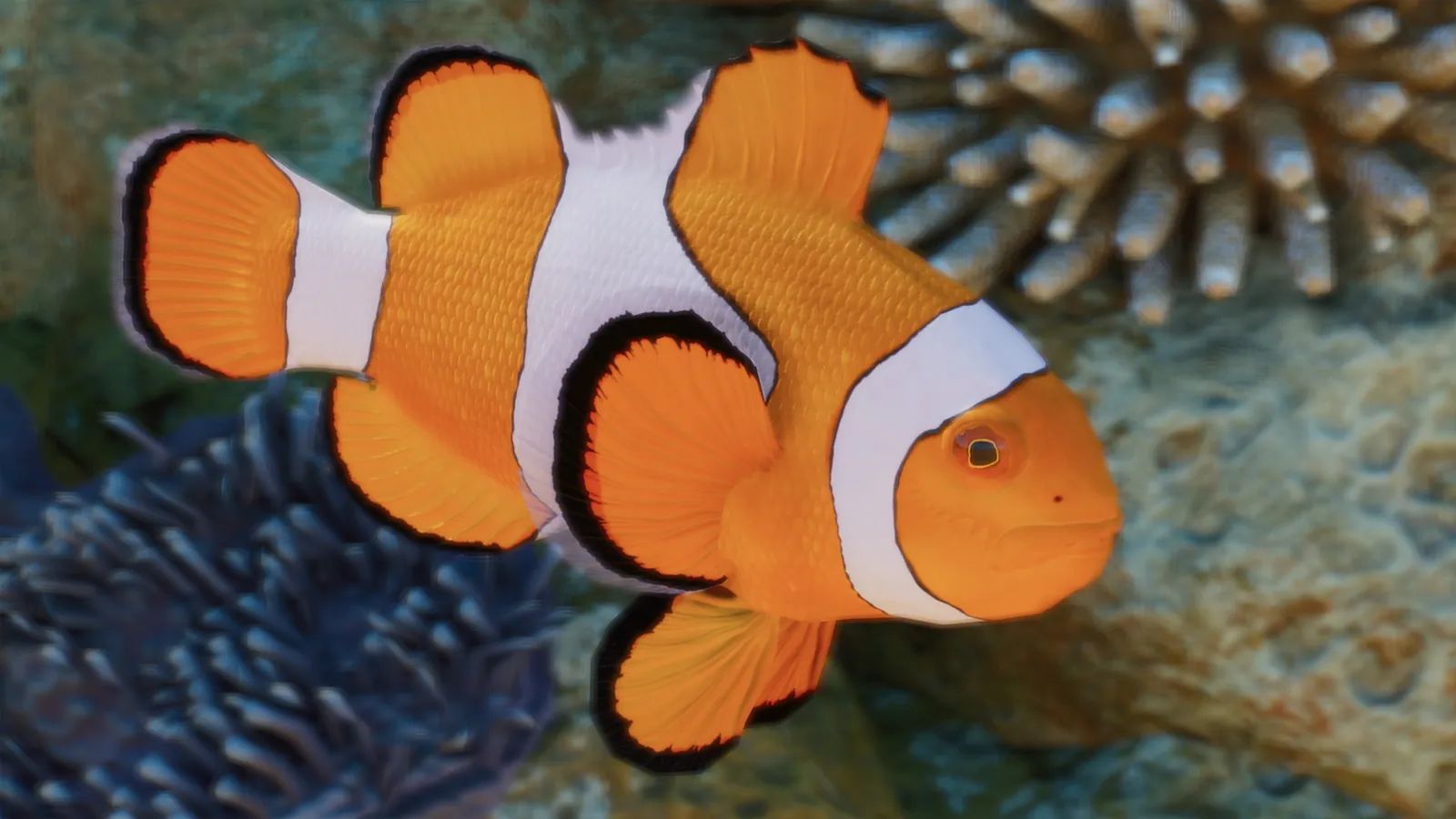
Clown anemonefish (or Amphiprion ocellaris) inhabit shallow coral reefs and sheltered lagoons across the Indo-Pacific region, including areas around Indonesia, the Philippines, northern Australia, and parts of the Indian Ocean. They are typically found living in close association with host sea anemones, which provide them with shelter and protection from predators. They are easily recognisable by their vibrant orange colouration and three distinct white bands edged in black. Adult clown anemonefish measure 8cm to 11cm in length.
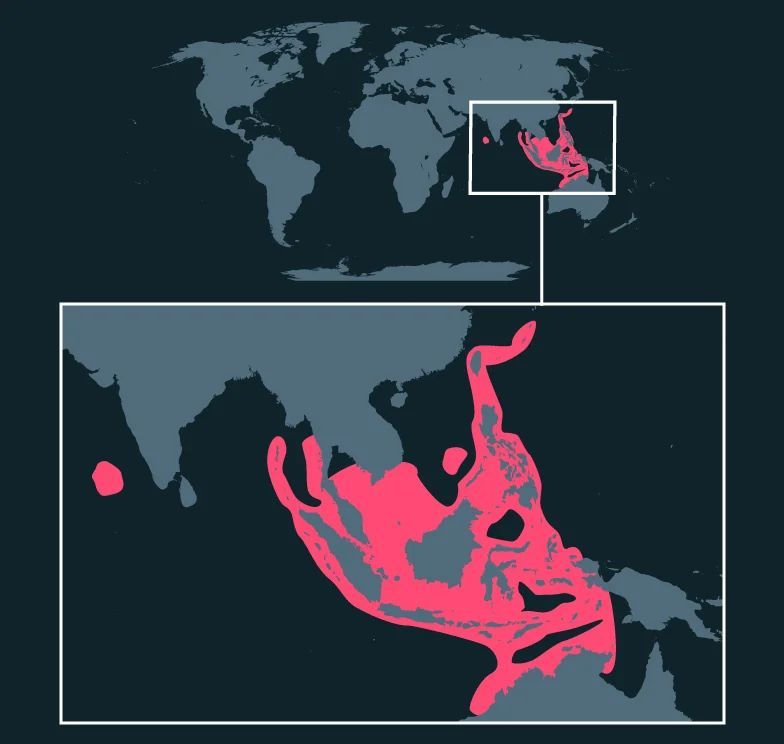
Found in Indo-Pacific reefs
Regions
Biomes

Appearance
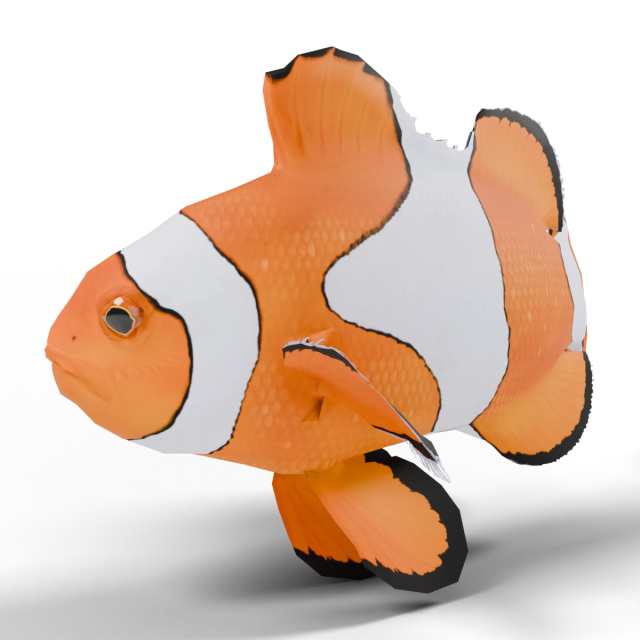
Adult
Habitat needs
Minimum area
Deep water
50 m² + 15 m² per extra animal
Environment
Temperature
24 to 28°C
Plant coverage
20-60%
Water salinity
Saltwater
Enclosure
Aquarium
Exhibit types
- Small Box Exhibit
- Small Cylinder Exhibit
- Large Box Exhibit
- Large Angled Box Exhibit
- Large Cylinder Exhibit
Diet and enrichment
Diet
- Copepods
- Algae Pellets
Conservation
IUCN Red List
Least concern
Least concern
Critically endangered
Clown anemonefish are a species of Least Concern. They are vulnerable to habitat degradation, climate change, and overcollection for the aquarium trade. The destruction of coral reefs, particularly the loss of sea anemones has significantly impacted wild populations. Coral bleaching caused by rising ocean temperatures disrupts the symbiotic relationship between clownfish and their host anemones, making it harder for the fish to find shelter and reproduce. Additionally, clownfish are among the most popular species in the marine aquarium trade, causing local population declines. To address these threats, several conservation strategies have been implemented. Marine protected areas help safeguard reef habitats and the ecological relationships between clownfish and their anemones. Clownfish breed readily in captivity, and many aquariums now source individuals from breeding programs rather than from the wild, reducing pressure on wild populations. Public awareness campaigns have also increased interest in protecting marine ecosystems. Together, these efforts aim to preserve clown anemonefish populations while promoting broader reef conservation.
Zoopedia sketchbook
Social & reproduction
Keeper notes
Clown anemonefish are highly social, living in small, structured groups within sea anemones where they form strict dominance hierarchies, with a dominant breeding pair and non-breeding subordinates that rely on close social interactions for group stability and protection. Clown anemonefish breed year-round. Their reproductive strategy is known as protandrous hermaphroditism, where all individuals are born male, and the dominant male can change sex to become female if the resident female dies. Reproduction occurs within a stable social group consisting of a dominant breeding pair and several smaller non-breeding males. The female lays hundreds of adhesive eggs on a flat surface near the host anemone, and the male takes on the primary role of guarding and aerating the eggs until they hatch, usually within 6 to 10 days. Upon hatching, the larvae are planktonic and drift in the open ocean for about 1 to 2 weeks before settling back onto a reef and seeking a suitable anemone host. Growth and maturation are influenced by social rank, with the largest male assuming breeding duties only if the dominant female dies, thus maintaining the social hierarchy and stability of the group. Sexual maturity is typically reached between 1 and 2 years old.
Group and breeding
Group
Exhibit colony size
Up to 8
Shoal size
10-20
Lifecycle and breeding
Life expectancy
15 years
Age of sexual maturity
1.5 years
Mating season
Aseasonal
Dominance
Dominant breeding pair
Research
Research levels
| Level | Unlocks | Research gate |
|---|---|---|
| Level 1 | Fertility Level 1 (+15% fertility) | |
| Level 2 | Clown Anemonefish Fact Sheet | |
| Level 3 | Fertility Level 2 (+30% fertility) |
Researched by
Vets
Researched at
Habitat or exhibit and Research Centre
Every level of this species' research, with its unlock conditions.
Release groups
Valid release groups
| Group | Type | Animals |
|---|---|---|
| Mixed Shoal | Mixed group | 15 to 30 fish |
Release groups, reserve requirements and the roles this species fills.
Animal facts
- Clown anemonefish live in mutualistic relationships with sea anemones, gaining protection from predators thanks to the anemone’s stinging tentacles, while the fish help keep the anemone clean and defend it.
- Clown anemonefish are born male and can change sex to become female, usually when the dominant female in a group dies.
- Clown anemonefish fiercely defend their anemone territory against intruders, often chasing away much larger fish.
- Clown anemonefish use a series of popping and clicking sounds to communicate with other clownfish, especially during territorial disputes.
- Clown anemonefish are among the most popular saltwater fish kept in home aquariums worldwide because of their bright colours and interesting behaviour.
Taxonomy
Class
Order
Family
Genus
Species