Overview
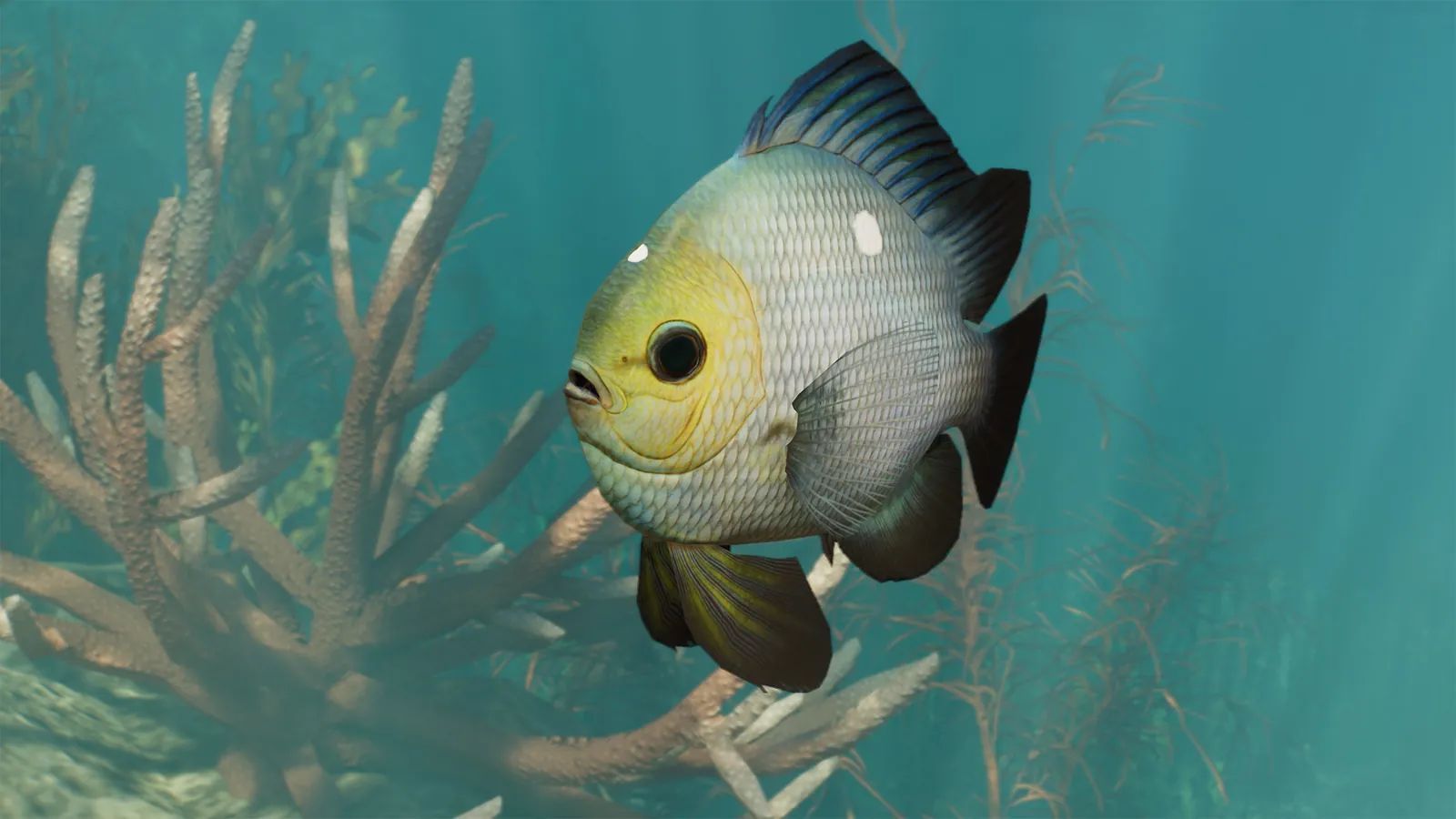
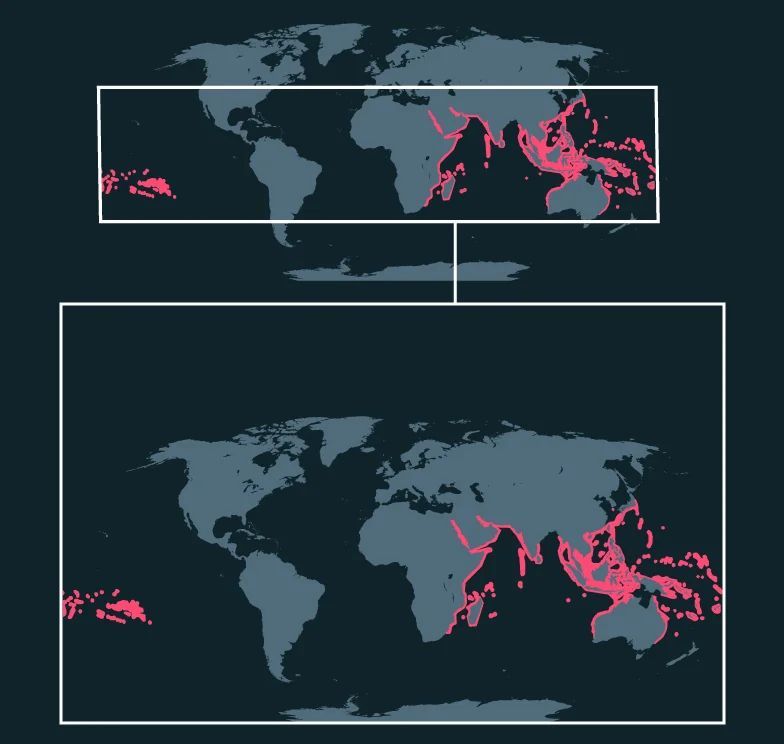
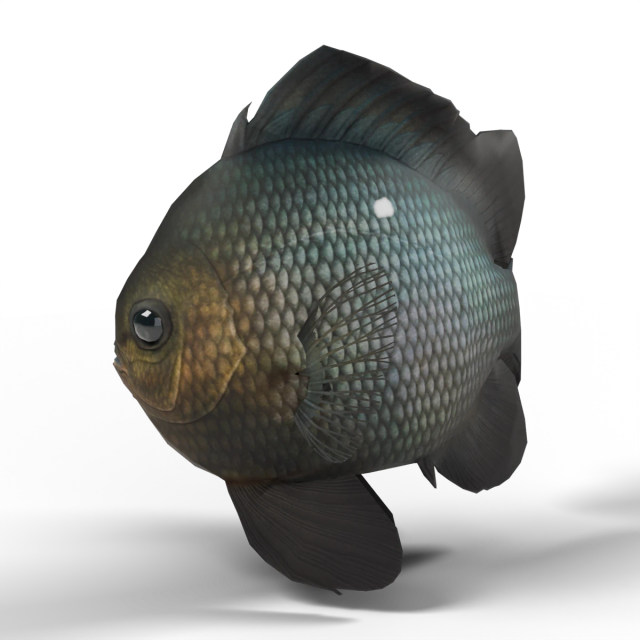
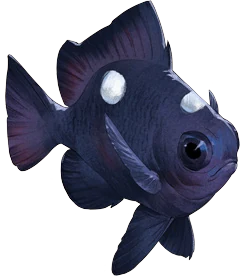
The threespot damselfish (or Dascyllus trimaculatus), also known as the threespot humbug or domino damselfish, is a widespread species found throughout the tropical Indo-Pacific region from the Red Sea and East Africa to Hawaii, Japan and northern Australia. It typically inhabits coral reefs and lagoons. This species is easily recognised by its dark grey to black body marked with three distinct white spots, one on the forehead and one on each side of the upper body near the dorsal fin. Threespot damselfish usually grow to about 10 to 13cm in length and weigh 30g to 45g.

Appearance
Adult
Habitat needs
Minimum area
Deep water
50 m² + 15 m² per extra animal
Environment
Temperature
24 to 28°C
Plant coverage
20-60%
Water salinity
Saltwater
Enclosure
Aquarium
Exhibit types
- Small Box Exhibit
- Small Cylinder Exhibit
- Large Box Exhibit
- Large Angled Box Exhibit
- Large Cylinder Exhibit
Diet and enrichment
Diet
- Copepods
- Algae Pellets
Conservation
IUCN Red List
Least concern
Least concern
Critically endangered
The threespot damselfish is considered a species of Least Concern, though Vulnerable in the Persian Gulf. Warming seas can bleach sea anemones that juvenile threespot damselfish use for shelter, decreasing settlement and increasing mortality from predation. In addition, ocean acidification makes coral reefs less viable habitats for fish that depend on complex coral/anemone structures. Genomic resources help to understand population connectivity, risk and resilience, and how to prioritise protection. Protected areas safeguard critical reef structure and biodiversity, and herbivorous fish populations must be managed to keep algae in check while corals recover. Local stressors like pollution, sediment run-off, and destructive fishing practices must be identified and reduced. The outlook for the threespot damselfish heavily depends on preserving healthy, unbleached anemones, given their role in larval success. Monitoring programs are crucial to track anemone health, fish settlement, and reef structure to guide conservation strategies.
Zoopedia sketchbook
Social & reproduction
Keeper notes
Threespot damselfish adults live in loose aggregates or harems, and juveniles live in small shoals. In areas where there is an abundance of shelter, they may also be solitary and territorial over their area of reef. Threespot damselfish mate year-round, spawning repeatedly with reproduction closely linked to water temperature and lunar cycles. While spawning, males establish and vigorously defend small territories on coral or rocky substrates that serve as nesting sites. Courtship begins with the male performing dashing and fluttering displays to attract nearby females, often accompanied by distinctive body colouration changes. When a receptive female approaches, she inspects the nesting site and deposits a clutch of adhesive eggs on the substrate, which the male immediately fertilises. After spawning, the male guards and fans the eggs to maintain oxygen flow and remove debris or potential predators. The eggs typically hatch within 2 or 3 days, releasing pelagic larvae that drift with the plankton for several weeks before settling onto the reef and adopting a benthic lifestyle. Threespot damselfish reach sexual maturity at 1 year old. The threespot damselfish is a protogynous hermaphrodite, meaning that a female can change into a male when the dominant male in the group is lost. The sex change is triggered by social cues, not by age or season, and is reflected primarily through increased darkening and uniformity of colouration, which intensifies as social dominance is established.
Group and breeding
Group
Exhibit colony size
Up to 8
Shoal size
10-20
Lifecycle and breeding
Life expectancy
20 years
Age of sexual maturity
1 year
Mating season
Aseasonal
Dominance
Dominant adult male
Research
Research levels
| Level | Unlocks | Research gate |
|---|---|---|
| Level 1 | Fertility Level 1 (+15% fertility) | |
| Level 2 | Threespot Damselfish Fact Sheet | |
| Level 3 | Release groups and release to the wild | |
| Level 4 | Fertility Level 2 (+30% fertility) |
Researched by
Vets
Researched at
Habitat or exhibit and Research Centre
Every level of this species' research, with its unlock conditions.
Release groups
Valid release groups
| Group | Type | Animals |
|---|---|---|
| Mixed Shoal | Mixed group | 10 to 40 fish |
Release groups, reserve requirements and the roles this species fills.
Animal facts
- Juvenile threespot damselfish live with sea anemones in a mutualistic relationship like clownfish.
- Threespot damselfish courtship involves ‘signal jumping’ - rapid vertical dashes in the water column to impress females.
- Threespot damselfish larvae are ‘pelagic’ (free swimming in open water) before they settle onto reefs as juveniles.
- The genome of threespot damselfish has been sequenced to help scientists understand reef fish evolution and adaptation to changing ocean environments.
- In aquariums, threespot damselfish are known as being easy to care for and hardy, but also for being aggressive to other fish in the tank.
Taxonomy
Class
Order
Family
Genus
Species