Overview
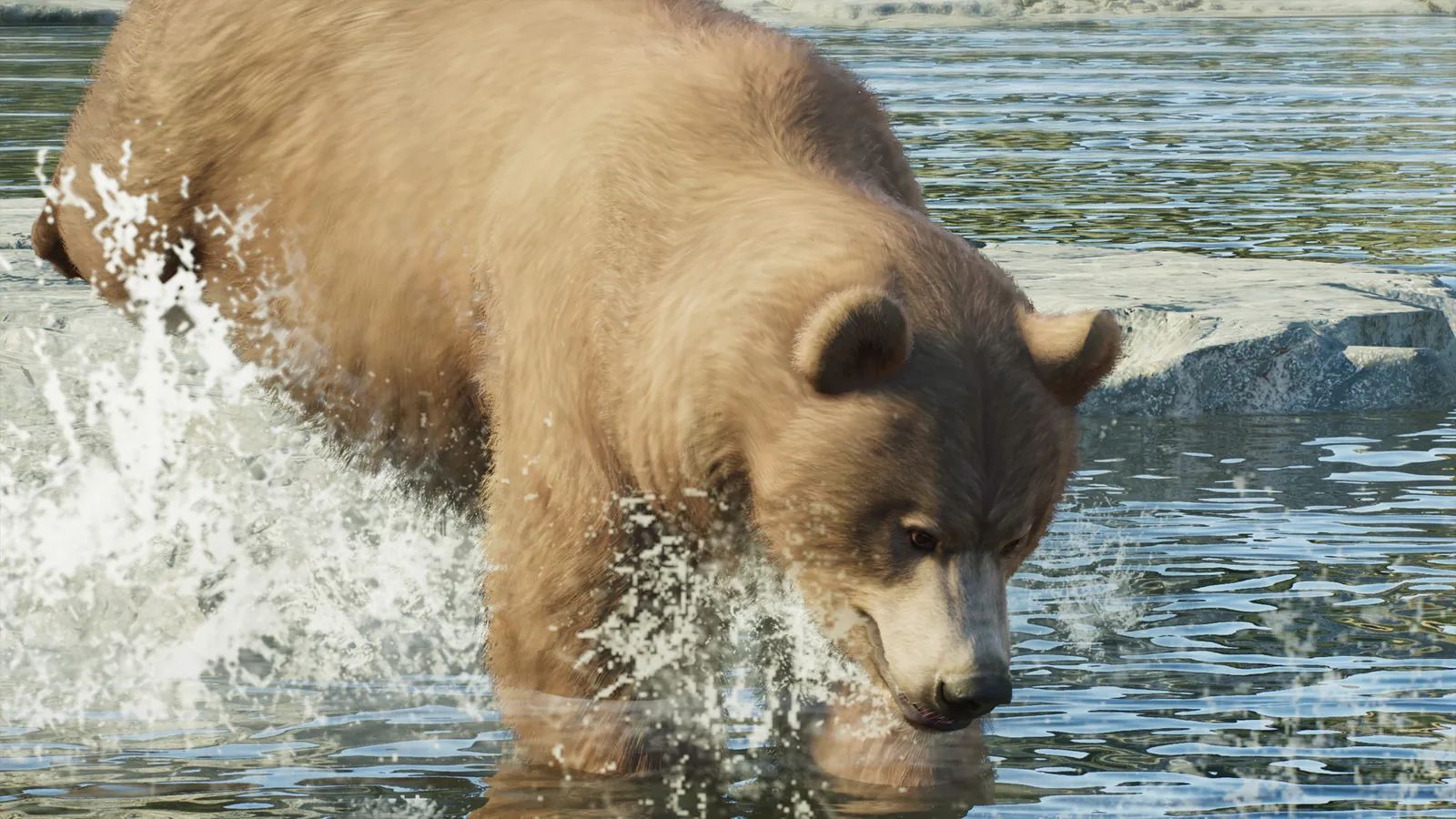
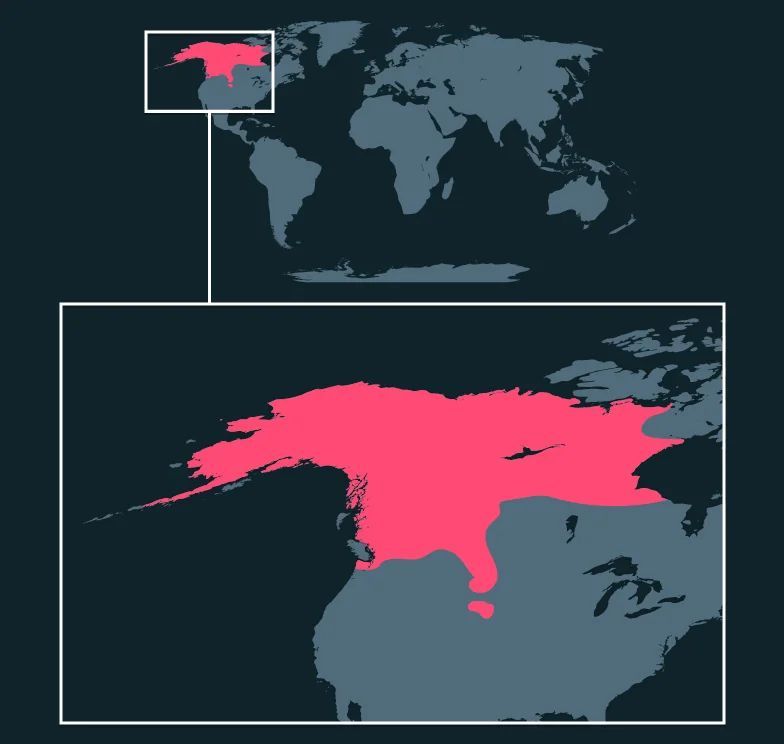
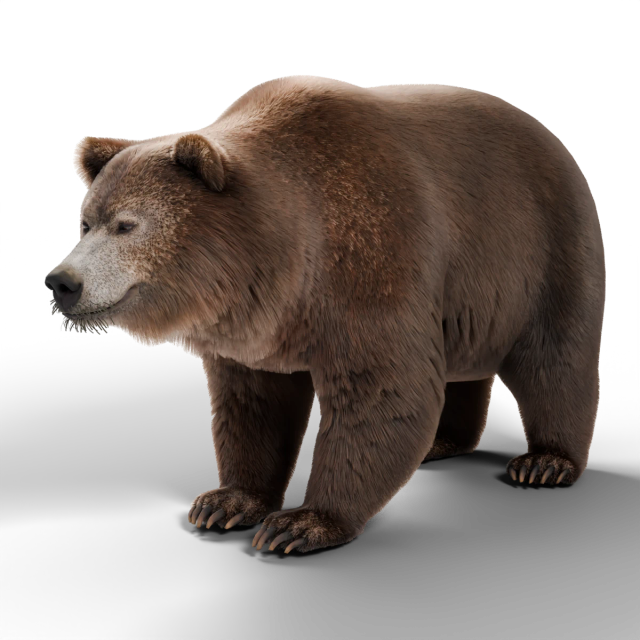
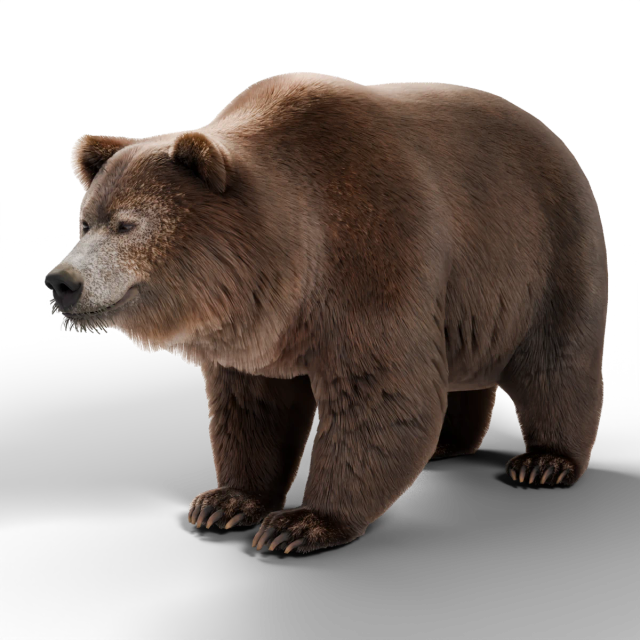
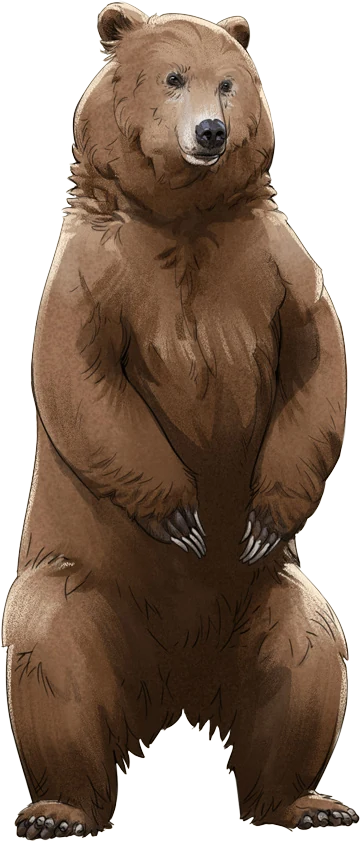
Native to the northern USA and Canada, the grizzly bear (or Ursus arctos horribilis) is a subspecies of the brown bear. A grizzly can be identified by its thick, brown fur, a large shoulder hump, straight snout and rounded ears. They have strong front legs with long claws used for digging and hunting. They can grow extremely large, though there is a lot of variation in size between different populations. The average male measures 2.2m long in head-body length and weighs 240kg, while an average female measures 1.8m in head-body length and weighs 160kg.




Appearance
Male
Female
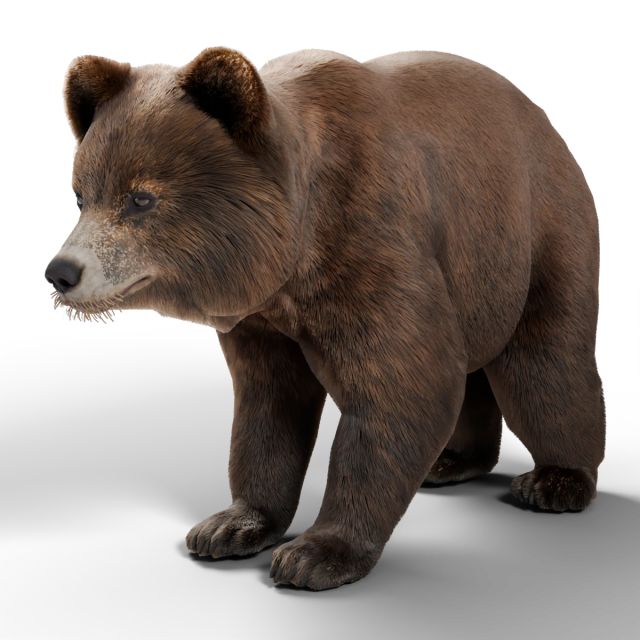
Juvenile
Colourmorphs
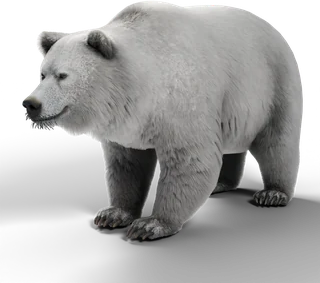 Leucistic male
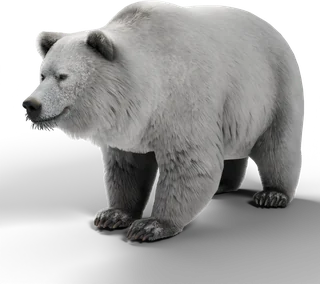 Leucistic female
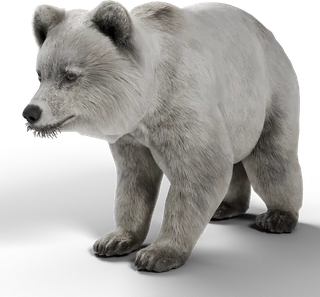 Leucistic juvenile
Size & weight
Size
Length: 2.25 to 2.65 m
Weight
Male
220 kg
Female
165 kg
Bars use a log scale against the heaviest animal in the Zoopedia, the Common Hippopotamus.
Juvenile
Juvenile weight
22.5 kg
Measured as Length. The person stands 1.75 m tall for scale.
Habitat requirements
Barrier grade
Grade 4 of 5
Minimum height
2 m minimum
Climbing & water
Climb proof
Needed
Water barrier
Not allowed
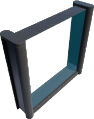
Barriers at this grade
Barrier types with resistance grade 4 or higher.


Habitat needs
Minimum area
Land
970 m² + 145 m² per extra animal
Water
30 m² + 5 m² per extra animal
Shelter
30 m² per animal
Environment
Temperature
-15 to 28°C
Plant coverage
0-100%
Enclosure
Climb-Proof Habitat
Dislikes
Snow
Terrain
- Grass 10-100%
- Sand 0-20%
- Soil 10-100%
- Rock 0-70%
- Snow 0-100%
Diet and enrichment
Diet
- Leafy Greens and Vegetables
- Meat Cuts and Fruit


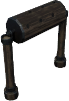


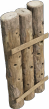
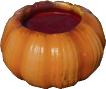








Water sources

Conservation
IUCN Red List
Least concern
Least concern
Critically endangered
Wild population
55,000
55,000 - 60,000 in the wild. Rank 37 of 58 species with a known count, smallest first.
Assessed as Least Concern today, the grizzly bear is present in only a small area of its former range across North America. Historically, European settlement as well as bounty programmes in the 19th and 20th centuries decimated populations to a few hundred bears by the 1970s. Today, populations in national parks are recovering, but the grizzly remains under threat from infrastructure development, climate change, human-wildlife conflict and poaching. Conservation actions consist of habitat protection and management, human-wildlife conflict mitigation and legal protection. As part of a recovery plan, core ecosystems in their range are identified, and large, interconnected landscapes that can support viable populations are preserved. To reduce wildlife conflict, bear-proof infrastructure and public awareness about safe food storage practices are applied. Efforts also include proposals for future reintroductions into historic habitats such as the North Cascades.
Zoopedia sketchbook
Social & reproduction
Keeper notes
Grizzly bears are solitary, the only exception being a mother with her cubs. They only interact with each other to mate or fight over mates. They may be seen in close quarters when there is a desirable food source, such as gathering at a river's edge during the salmon spawning season. However, bears will usually ignore each other if they come across one another. From May to June, male grizzly bears track females using the scent of their urine. When a male and female meet, they will play together; wrestling and pawing each other before mating. Males will be aggressively fighting off rivals in order to mate with a female. Females undergo delayed implantation, so that the young are born during hibernation in the winter, after a pregnancy of about 6 months. Litters range from 1 to 4 cubs. The cubs will search out milk and suckle from their mother until the end of hibernation, when they will leave the den and have their first solid food. The mother won’t mate while she is caring for her offspring, and may also not produce a new litter for a few years after their dispersal. The bear cubs stay with their mother until they are 2 to 3 years old, at which point they will leave to establish their own territory. However, they aren’t sexually mature until 5 years old, and males may only be strong enough to secure a mate until 7 years or older.
Group and breeding
Dominance
Male bears will fight over foraging grounds and mates.
Research
Research levels
| Level | Unlocks | Research gate |
|---|---|---|
| Level 1 | Thriving Requirement 1: at least 12 objects or plants with the Climbable tag; Grizzly Bear Fact Sheet | |
| Level 2 | Thriving Requirement 2: Water Surface Area; Fertility Level 1 (+15% fertility) | |
| Level 3 | Thriving Requirement 3: Food Grade 2; Release groups and release to the wild | |
| Level 4 | Thriving Requirement 4: at least 15 objects or plants with the Tree Litter tag | |
| Level 5 | Thriving Requirement 5: at least 3 objects or plants with the Fruit Bearing tag; Fertility Level 2 (+30% fertility) |
Researched by
Vets
Researched at
Habitat or exhibit and Research Centre
Every level of this species' research, with its unlock conditions.
Release groups
Valid release groups
| Group | Type | Animals |
|---|---|---|
| Mixed Group | Mixed group | 1 male, 3 females |
| Maternal Family Group | Female group | 1 female |
| Solitary Male | Solitary male | 1 male |
Release groups, reserve requirements and the roles this species fills.
Animal facts
- Wild grizzly bears hibernate for 5 to 7 months a year; they will eat huge amounts before hibernating to gain enough weight to survive this time without eating.
- The 'hump' visible on a grizzly bear's back is a large amount of muscle that bears use when digging dens or hunting prey.
- Grizzly bears can gain 180kg of weight when preparing for hibernation.
- In the wild each cub in a grizzly bear litter may have a different father.
- Grizzly bears love to eat moths, and will make the extra effort to find moths by climbing to high altitudes and overturning rocks.
Taxonomy
Class
Order
Family
Genus
Species