
Overview
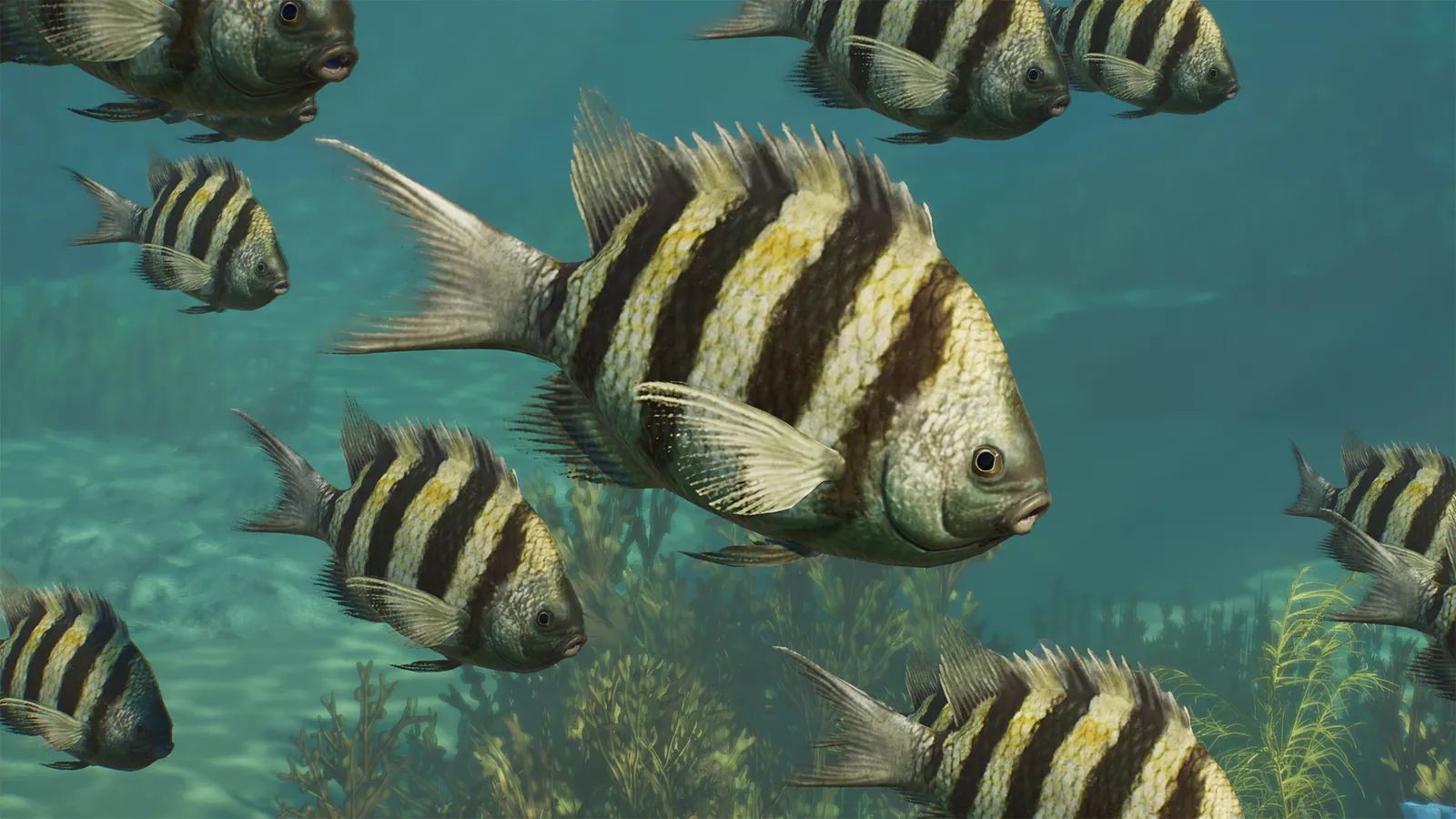
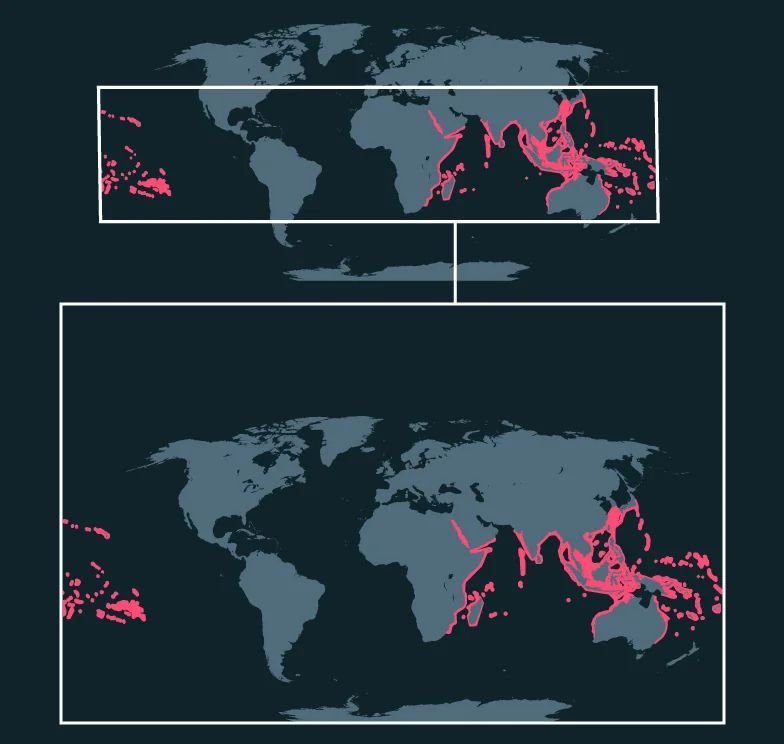
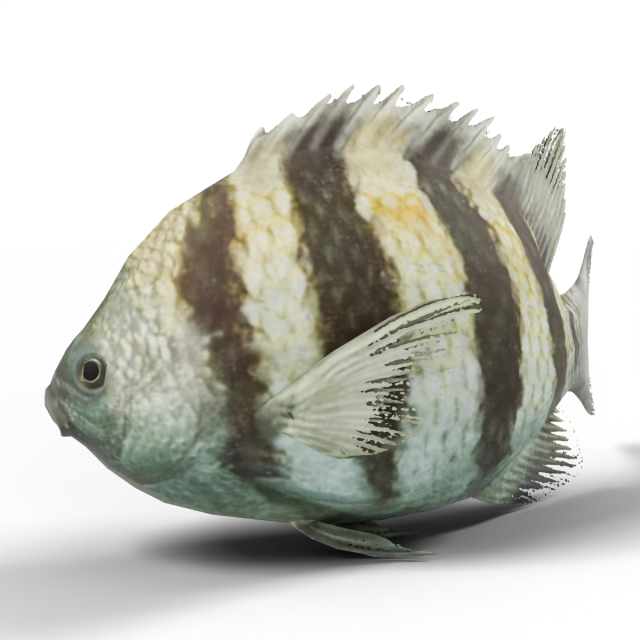
The Indo-Pacific sergeant (or Abudefduf vaigiensis) is a damselfish found widely across the Indo-Pacific region, from the Red Sea and East Africa to Japan, Australia, and the Pacific Islands. It inhabits shallow coastal waters, lagoons, and outer reef slopes where it forms large schools. This species is easily recognised by its silvery-white body with five distinct vertical black bars and a yellow tinge across the upper back. Indo-Pacific sergeants typically reach a length of 12cm to 18cm and weigh around 80g to 150g.

Appearance
Adult
Habitat needs
Minimum area
Deep water
50 m² + 15 m² per extra animal
Environment
Temperature
24 to 28°C
Plant coverage
20-60%
Water salinity
Saltwater
Enclosure
Aquarium
Exhibit types
- Small Box Exhibit
- Small Cylinder Exhibit
- Large Box Exhibit
- Large Angled Box Exhibit
- Large Cylinder Exhibit
Diet and enrichment
Diet
- Copepods
- Algae Pellets
Conservation
IUCN Red List
Least concern
Least concern
Critically endangered
The Indo-Pacific sergeant is generally a species of Least Concern but is Vulnerable specifically in the Persian Gulf. Within its native range, the species depends on healthy coral reef ecosystems, making it vulnerable to reef degradation caused by coral bleaching, ocean warming, pollution, and destructive fishing methods. It has been observed hybridising with local damselfish outside its native range, threatening the distinctiveness of native species. Conservation efforts for the Indo-Pacific sergeant are largely indirect, focusing on the protection of coral reef ecosystems and management of invasive populations. Genetic monitoring helps assess the extent of hybridisation, allowing conservationists to detect early risks to native fish. The establishment and expansion of Marine Protected Areas (MPAs), combined with restrictions on destructive fishing practices, play a vital role in safeguarding the habitats these fish rely on. The species’ physiological tolerance to temperature change provides valuable insight into how climate change may affect long-term survival and distribution.
Zoopedia sketchbook
Social & reproduction
Keeper notes
Indo-Pacific sergeants form small to large aggregations and live in these loose groups. Breeding occurs year-round, with peaks at spring tides. Males establish and defend small territories on coral or rocky substrates, where they prepare nesting sites by cleaning flat surfaces. Courtship involves males displaying their colouration and performing zig-zag swimming displays or quick dashes to attract females. Once a female accepts the male’s courtship, she deposits adhesive eggs in the nest site. Multiple females may lay their eggs in the same male’s nest, leading to large clusters of eggs under his care. After spawning, males take on the sole responsibility of guarding and tending the eggs. They fan the eggs with their fins to aerate them and aggressively defend the nest from intruders, including other fish. The eggs hatch within a few days, releasing planktonic larvae into the water column. The larvae drift in the open ocean for several weeks before settling on reefs as juveniles. The life cycle continues as juveniles mature over months into schooling adults, with sexual maturity reached around 1 year old when they are 12cm in length.
Group and breeding
Research
Research levels
| Level | Unlocks | Research gate |
|---|---|---|
| Level 1 | Fertility Level 1 (+15% fertility) | |
| Level 2 | Indo-Pacific Sergeant Fact Sheet | |
| Level 3 | Release groups and release to the wild | |
| Level 4 | Fertility Level 2 (+30% fertility) |
Researched by
Vets
Researched at
Habitat or exhibit and Research Centre
Every level of this species' research, with its unlock conditions.
Release groups
Valid release groups
| Group | Type | Animals |
|---|---|---|
| Mixed Shoal | Mixed group | 10 to 40 fish |
Release groups, reserve requirements and the roles this species fills.
Animal facts
- The Indo-Pacific sergeant is omnivorous, feeding on zooplankton, algae, seaweed, copepods and invertebrates.
- Juvenile Indo-Pacific sergeants float along with drifting seaweed, which provides food and shelter for them.
- During spawning, male Indo-Pacific sergeants become more brightly coloured to attract a mate.
- Indo-Pacific sergeant spawning often occurs with large tides so the eggs get dispersed further into the ocean.
- Indo-Pacific sergeant eggs stick to rocks and do not float freely.
Taxonomy
Class
Order
Family
Genus
Species