Overview
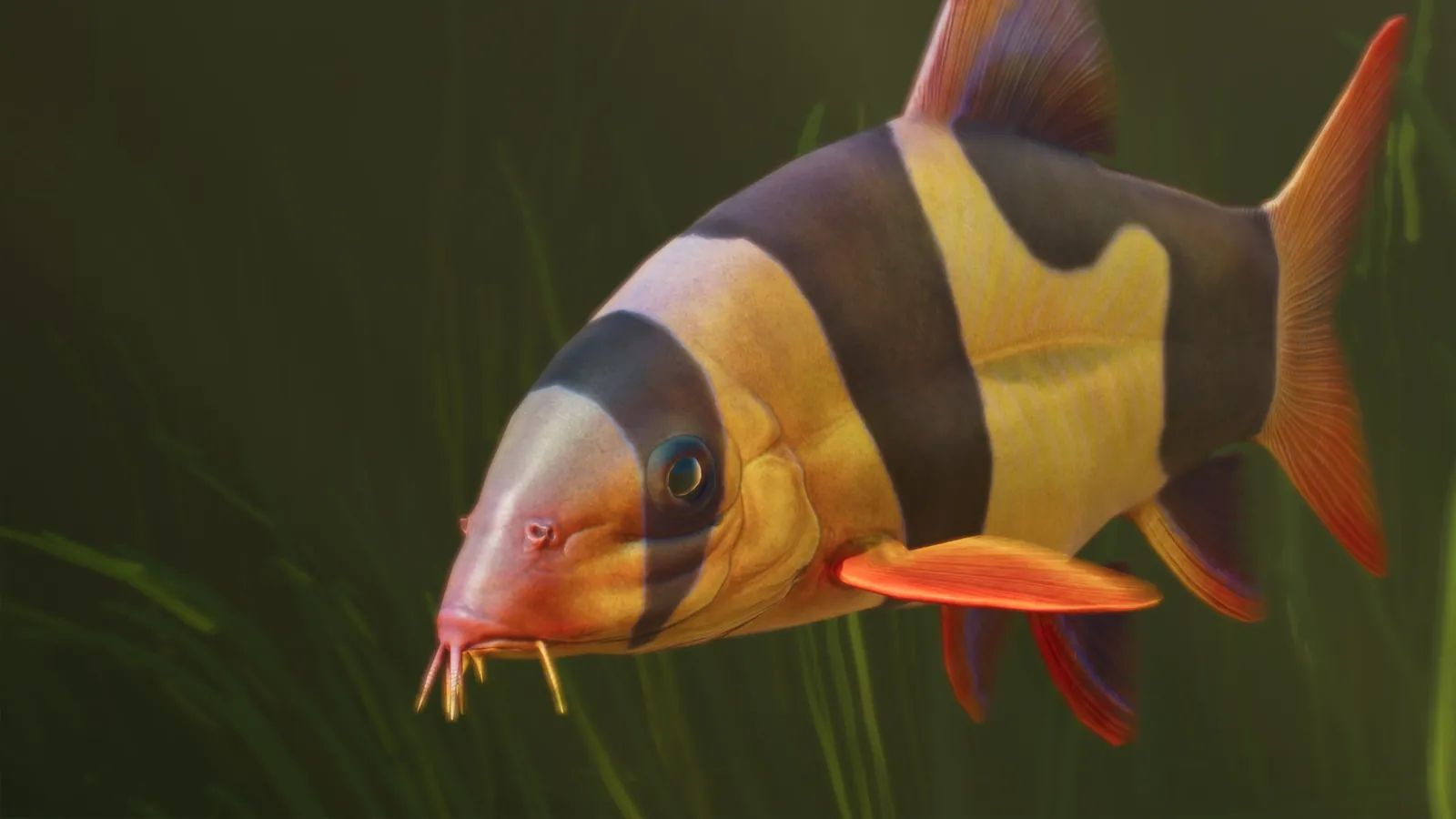
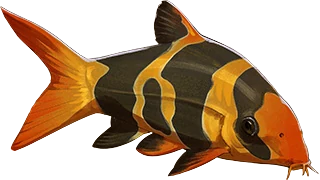
The clown loach (or Chromobotia macracanthus) is a freshwater fish native to slow-moving rivers and streams of Southeast Asia, particularly the islands of Borneo and Sumatra. It prefers tropical habitats with clear, warm water, dense vegetation, and soft substrates where it can forage and hide. This species is instantly recognisable by its orange body with three broad, black vertical bands running across its head, mid-body, and tail, and downward-facing mouth adapted for bottom feeding. Clown loaches typically reach up to 30cm in captivity, though in the wild they occasionally grow to 40cm. Adults usually weigh around 150g to 300g.
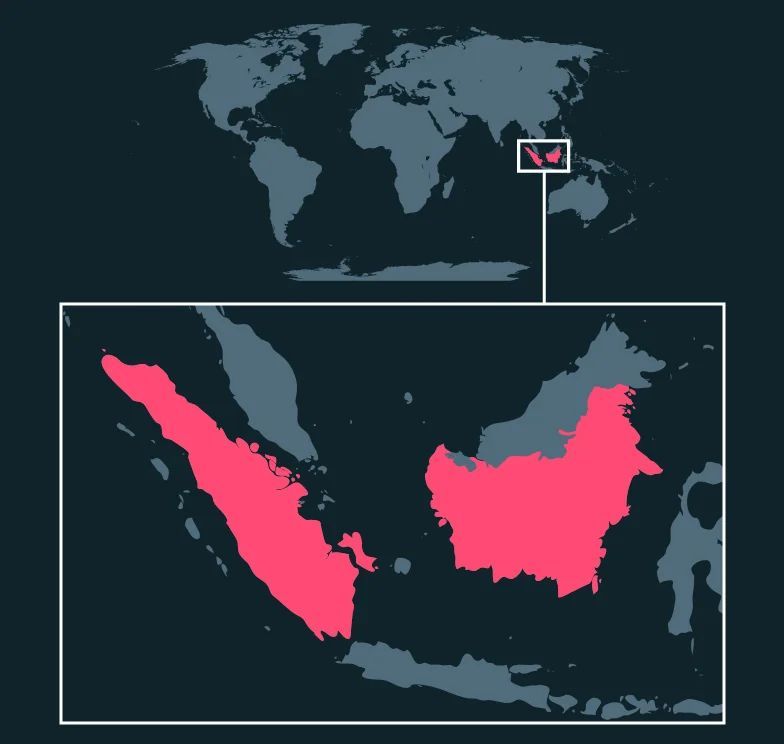
Found in Asia
Regions
Biomes

Appearance
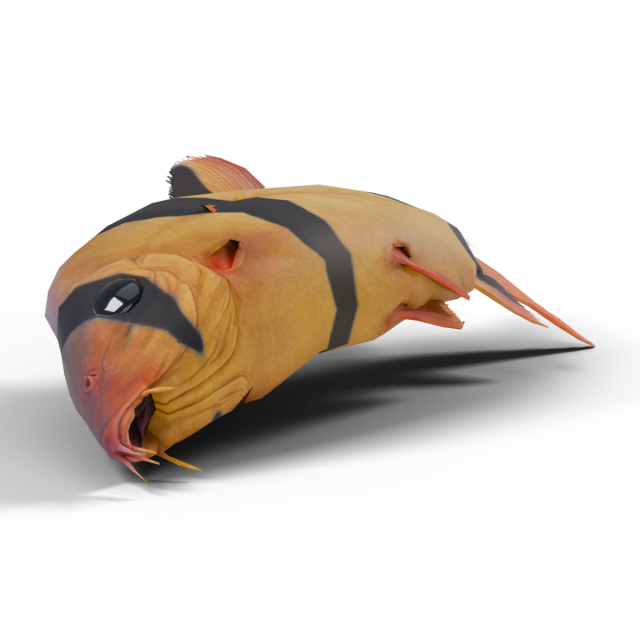
Adult
Habitat needs
Minimum area
Deep water
100 m² + 30 m² per extra animal
Environment
Temperature
25 to 30°C
Plant coverage
30-60%
Water salinity
Freshwater
Enclosure
Aquarium
Exhibit types
- Large Box Exhibit
- Large Angled Box Exhibit
- Large Cylinder Exhibit
Diet and enrichment
Diet
- Copepods
- Algae Pellets
Conservation
IUCN Red List
Least concern
Least concern
Critically endangered
The clown loach is considered a species of Least Concern. In the late 1990s, annual collection for the aquarium trade was estimated at 20 million individuals, escalating to 50 million by 2009. This intense harvesting, coupled with habitat loss from activities like peatland conversion and wetland reclamation for construction and palm oil plantations, has significantly impacted wild populations. The rapid decline in numbers and the pressures on their natural habitats raise concerns about their long-term viability. Efforts to mitigate these threats include advancements in artificial breeding techniques and sustainable aquaculture practices. Researchers have developed hormonal induction methods to stimulate spawning in controlled environments, facilitating the production of juveniles for the aquarium trade without further depleting wild stocks. Additionally, aquaculture initiatives aim to enhance growth rates and reduce production costs, addressing challenges associated with the species' slow growth. Conservation strategies are crucial for ensuring the clown loach's survival and maintaining the ecological balance of its native freshwater ecosystems.
Zoopedia sketchbook
Social & reproduction
Keeper notes
In the wild, clown loaches school in groups of 5-20 individuals. Clown loaches exhibit a seasonal breeding pattern in the wild, often triggered by rainy seasons and changes in water flow, temperature, and chemistry in their natural riverine habitats. During spawning periods, males and females engage in courtship behaviours such as chasing, nudging, and synchronised swimming. Spawning typically occurs over soft substrates or in submerged leaf litter, where females scatter thousands of adhesive eggs that stick to plants or other surfaces. Fertilisation is external, and both males and females may participate in repeated spawning events over the breeding season. Eggs hatch within 24 to 36 hours, producing tiny, transparent larvae that drift in the water column before settling to the substrate as juveniles. Juveniles initially rely on shelter among roots, leaf litter, or dense vegetation to avoid predation. Growth is relatively slow in the wild, with individuals reaching sexual maturity at around 3 or 4 years of age, depending on food availability and environmental conditions.
Group and breeding
Group
Exhibit colony size
Up to 8
Shoal size
5-20
Lifecycle and breeding
Life expectancy
20 years
Age of sexual maturity
3.5 years
Mating season
Spring and Summer
Research
Research levels
| Level | Unlocks | Research gate |
|---|---|---|
| Level 1 | Fertility Level 1 (+15% fertility) | |
| Level 2 | Clown Loach Fact Sheet | |
| Level 3 | Fertility Level 2 (+30% fertility) | Before this level: an Observation Network (Observation Platform) in Sumatra Reserve and this species released in Sumatra Reserve |
Researched by
Vets
Researched at
Habitat or exhibit and Research Centre
Wildlife Reserve
Sumatra Reserve
Every level of this species' research, with its unlock conditions.
Release groups
Valid release groups
| Group | Type | Animals |
|---|---|---|
| Mixed Shoal | Mixed group | 15 to 30 fish |
Release requirements
| Requirement type | Requirement |
|---|---|
| Ecosystems Required | Either River or Forest Swamp |
Ecosystems


Release groups, reserve requirements and the roles this species fills.
Animal facts
- Clown loaches can produce clicking or squeaking sounds by rubbing their pharyngeal teeth together, often when stressed or during social interactions.
- Clown loaches are one of the most sought-after freshwater aquarium fish due to their striking colouration, playful personality, and social nature.
- Juvenile clown loaches are much more vividly coloured than adults and tend to hide in dense vegetation or under rocks to avoid predators.
- Clown loaches can eat a wide variety of foods, from worms and crustaceans to algae and plant matter, which makes them adaptable in captivity.
- Clown loaches can survive in low-oxygen waters better than many other tropical freshwater species due to their hardy physiology.
Taxonomy
Class
Order
Family
Genus
Species