Overview
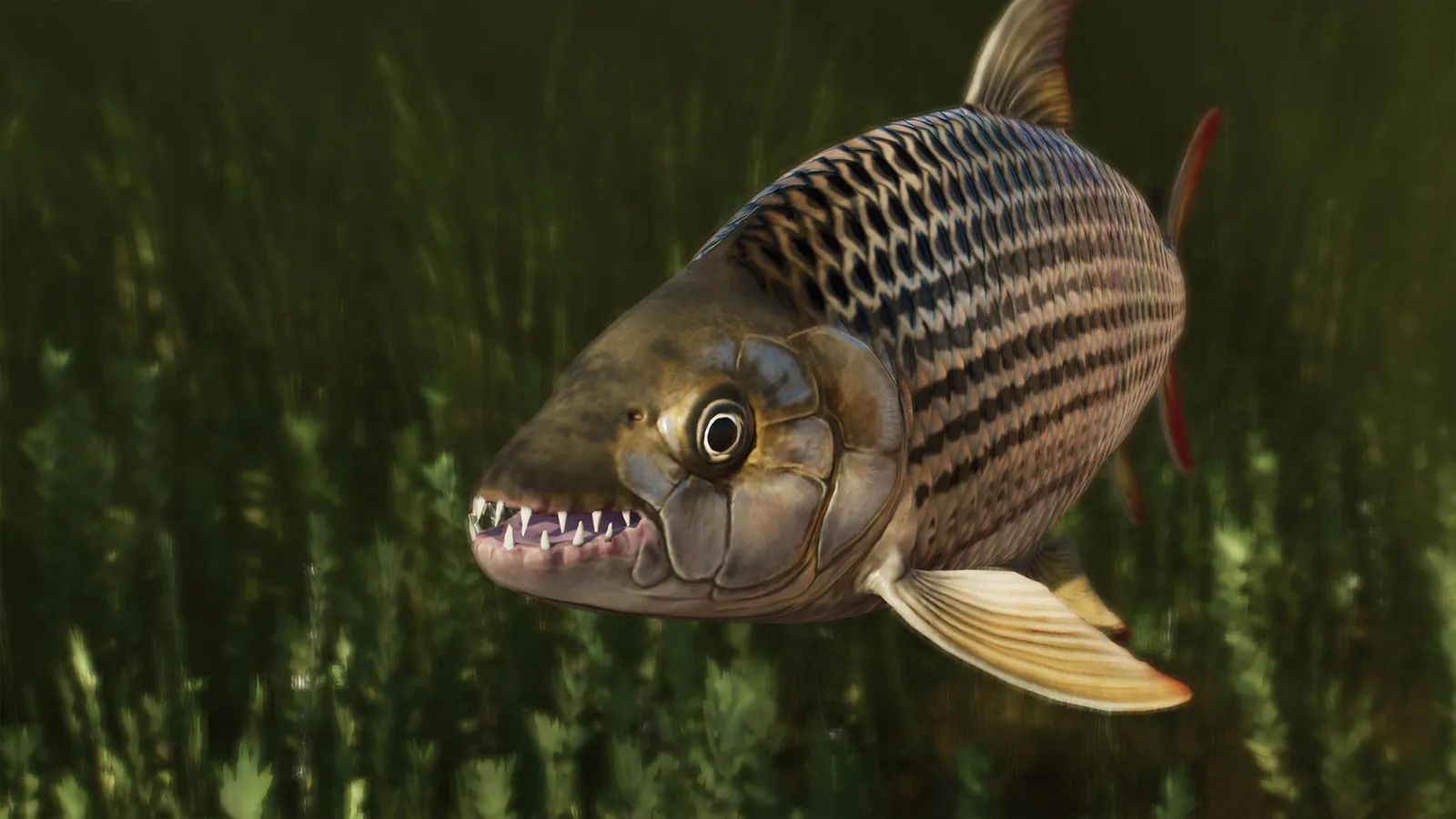
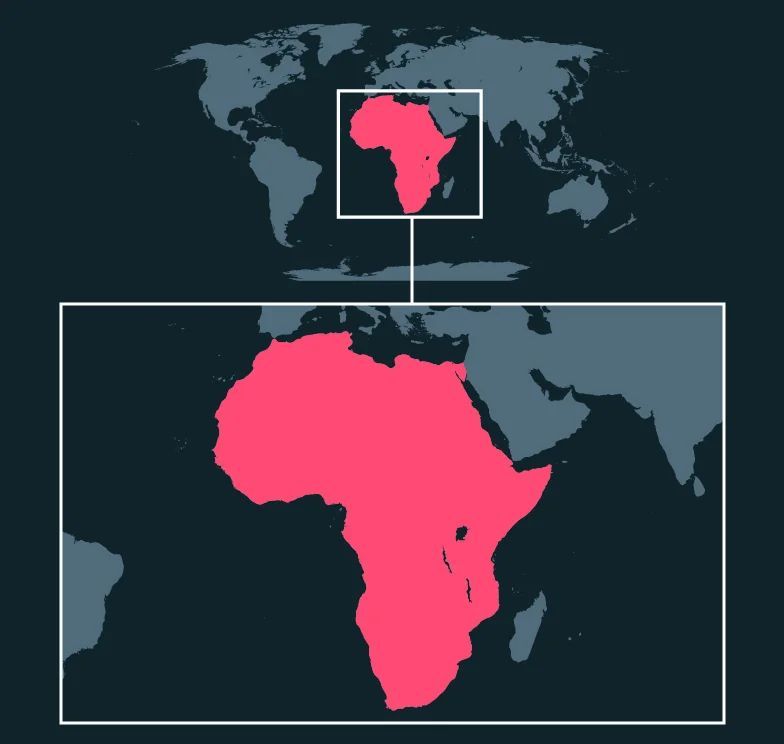
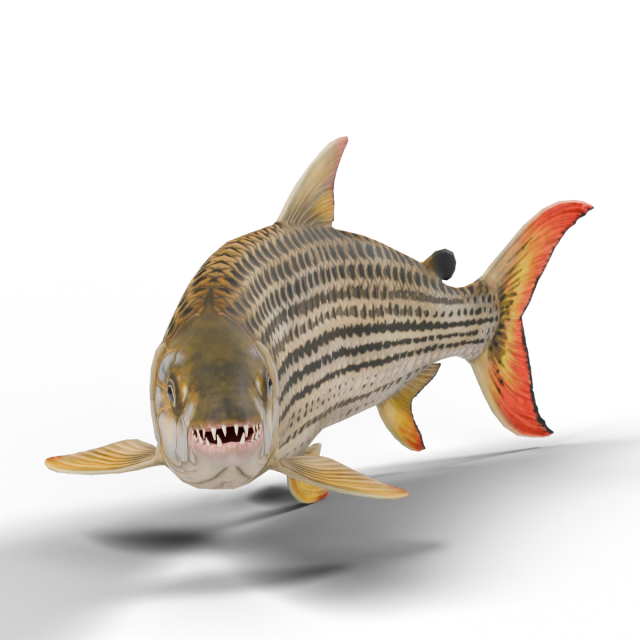
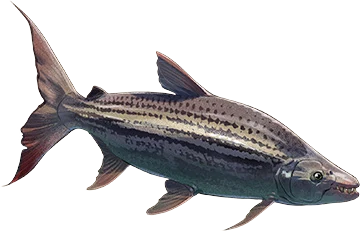
The African tigerfish (or Hydrocynus vittatus) is a widespread and powerful freshwater predator found throughout sub-Saharan Africa in major river systems and lakes, including the Congo, Nile, Zambezi, Okavango, and Lake Tanganyika basins. These fish are streamlined and silvery with thin black horizontal stripes, a deeply forked tail often with reddish edges, and a large head armed with interlocking, pointed teeth. Females are generally larger and more robust than males. Females can reach up to about 105cm in length and 10kg to 15kg in weight, while males are typically smaller, averaging up to 74cm in length and 12kg in weight.
Found in Africa
Regions
Biomes

Appearance
Adult
Habitat needs
Minimum area
Deep water
100 m² + 30 m² per extra animal
Environment
Temperature
22 to 30°C
Plant coverage
20-60%
Water salinity
Freshwater
Enclosure
Aquarium
Exhibit types
- Large Box Exhibit
- Large Angled Box Exhibit
- Large Cylinder Exhibit
Diet and enrichment
Diet
- Fish Cuts
- Squid
Conservation
IUCN Red List
Least concern
Least concern
Critically endangered
The African tigerfish is a species of Least Concern, and has a wide distribution across sub-Saharan Africa, where tigerfish are both an ecological component and an important economic resource for local communities. Some populations of tigerfish have declined because of pollution, water extraction, unregulated fishing pressure and physical barriers that disrupt migration routes, spawning and cause population fragmentation. Tigerfish are a protected species in some areas, and research has focused on understanding water quantity and quality requirements of key rivers to inform habitat management and policy. Broader conservation efforts aim to improve water quality, minimise pollution from agriculture and deforestation, and maintain connectivity of freshwater systems for healthier fish populations. Continued scientific research and the consideration of tigerfish in freshwater protected area planning helps provide a basis for evidence-based conservation strategies and an overall positive outlook for the African tigerfish.
Zoopedia sketchbook
Social & reproduction
Keeper notes
African tigerfish are best described as asocial to loosely aggregative predators: juveniles show schooling behaviour, while adults are largely independent hunters that tolerate one another only when conditions favour it. The African tigerfish has a reproductive strategy closely tied to seasonal river flooding. Courtship behaviour is relatively minimal and largely indirect, with spawning triggered by environmental cues such as rising water levels, increased current flow, and temperature changes during the rainy season. As rivers overflow onto floodplains, adult tigerfish migrate into newly inundated areas where food is abundant, and predation pressure is lower. Spawning occurs in open water or among flooded vegetation, where males and females release eggs and milt simultaneously for external fertilisation. There is no parental care, and adults quickly return to deeper channels once spawning is complete. After fertilisation, the eggs hatch rapidly, usually within 24 to 48 hours, an adaptation that reduces exposure to predation and unstable floodplain conditions. The larvae and fry develop in shallow, food-rich floodwaters, feeding initially on plankton and small invertebrates before transitioning to a piscivorous diet as they grow. Juveniles often form small schools, which provide some protection from predators and improve feeding success. Growth is fast, and individuals become effective predators at a relatively young age, gradually shifting to a solitary lifestyle as they mature. Sexual maturity is typically reached within 2 to 3 years, and adults may live for 10 to 20 years, repeating seasonal spawning migrations multiple times throughout their lifespan.
Group and breeding
Group
Exhibit colony size
Up to 6
Shoal size
10-20
Lifecycle and breeding
Life expectancy
20 years
Age of sexual maturity
2.5 years
Mating season
Spring and Summer
Research
Research levels
| Level | Unlocks | Research gate |
|---|---|---|
| Level 1 | Fertility Level 1 (+15% fertility) | |
| Level 2 | African Tigerfish Fact Sheet | |
| Level 3 | Release groups and release to the wild | |
| Level 4 | Fertility Level 2 (+30% fertility) | Before this level: an Observation Network (Observation Platform) in Great Rift Valley Reserve and this species released in Great Rift Valley Reserve |
Researched by
Vets
Researched at
Varies by level
Wildlife Reserve
Great Rift Valley Reserve
Every level of this species' research, with its unlock conditions.
Release groups
Valid release groups
| Group | Type | Animals |
|---|---|---|
| Mixed Shoal | Mixed group | 10 to 40 fish |
Release requirements
| Requirement type | Requirement |
|---|---|
| Ecosystems Required | Swamp |
Ecosystems

Release groups, reserve requirements and the roles this species fills.
Animal facts
- In some regions of Africa, tigerfish carry a mythical reputation and local names (e.g. Swahili “mbenga” meaning “dangerous fish”), reflecting respect and cautious attitudes toward them.
- African tigerfish have large, interlocking, dagger-like teeth that protrude even when their mouths are closed, perfect for grabbing and tearing prey.
- The African tigerfish’s tail and paired fins can show red, yellow, or orange pigmentation, particularly in adult males.
- African tigerfish are oxygen-sensitive and reliant on healthy prey populations, thus their presence often signals a well-functioning river ecosystem.
- The African tigerfish maintain defined home ranges in rivers but can make long excursions of several kilometres while hunting or spawning.
Taxonomy
Class
Order
Family
Genus
Species


