Overview
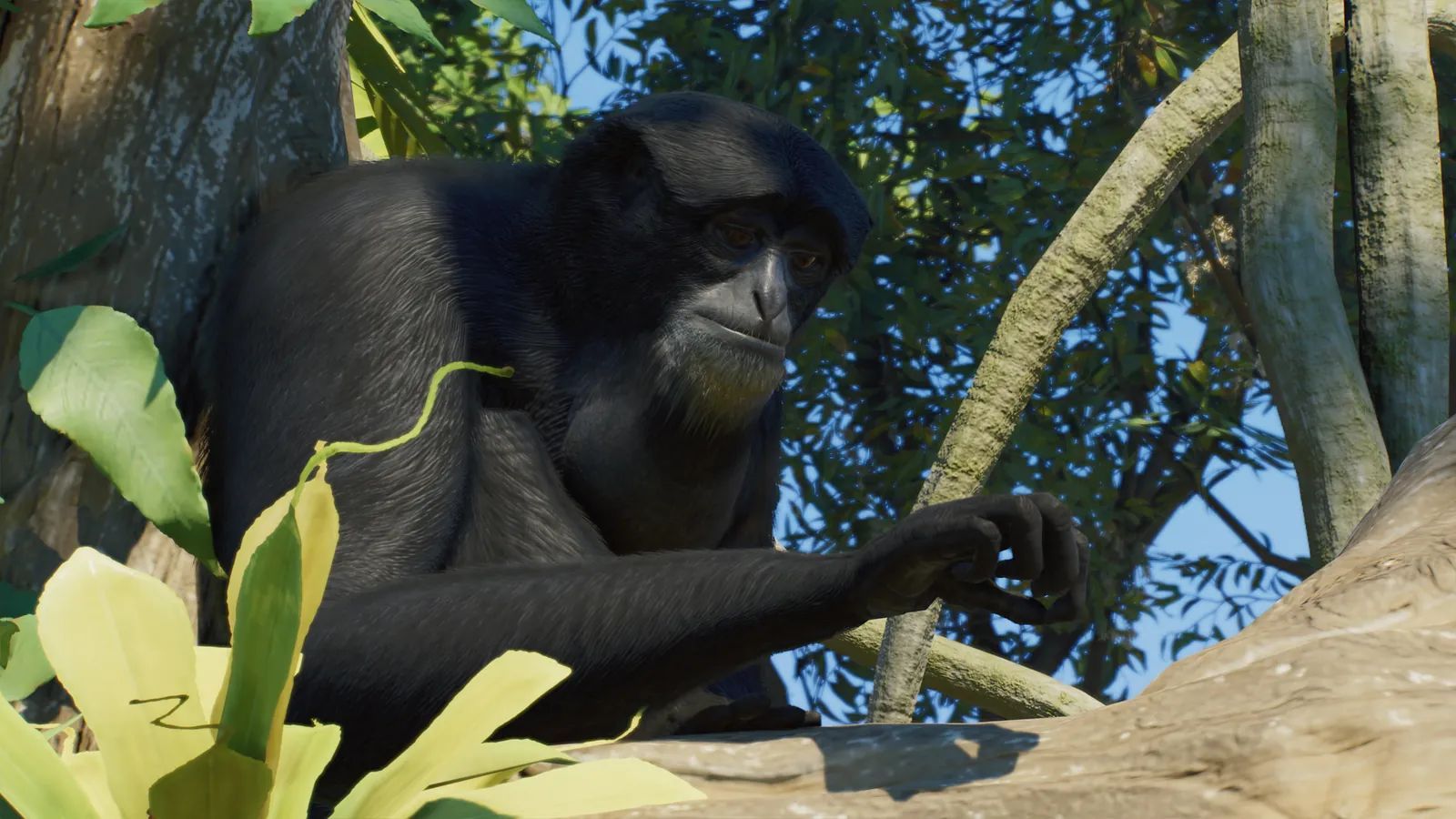
The siamang (or Symphalangus syndactylus) is a species of gibbon living in the rainforests of the Malay Peninsula and Indonesian island of Sumatra. Their body is covered in all-black shaggy fur, which is thinner and grey on their faces. Siamangs have very long arms - their arm span approximately measuring twice their body length, short and sturdy legs and no tail. One of their most prominent features is the throat sac under their chin, which inflates during their distinctive vocalisations. Typically, siamangs are 75cm to 100cm tall and weigh between 10kg and 13kg. Like other lesser apes, this species exhibits little to no sexual dimorphism.
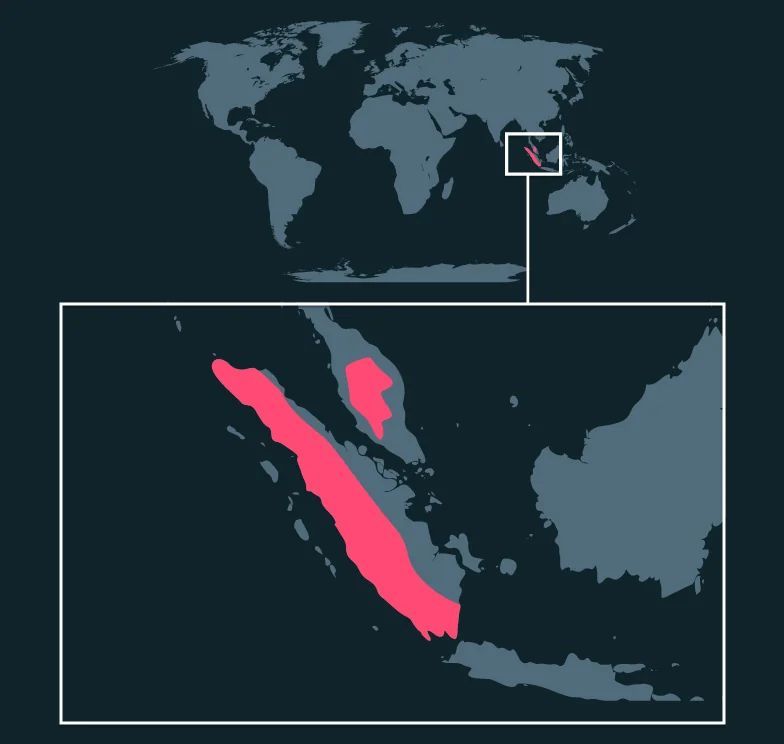
Found in Southeast Asia
Regions
Biomes

Appearance
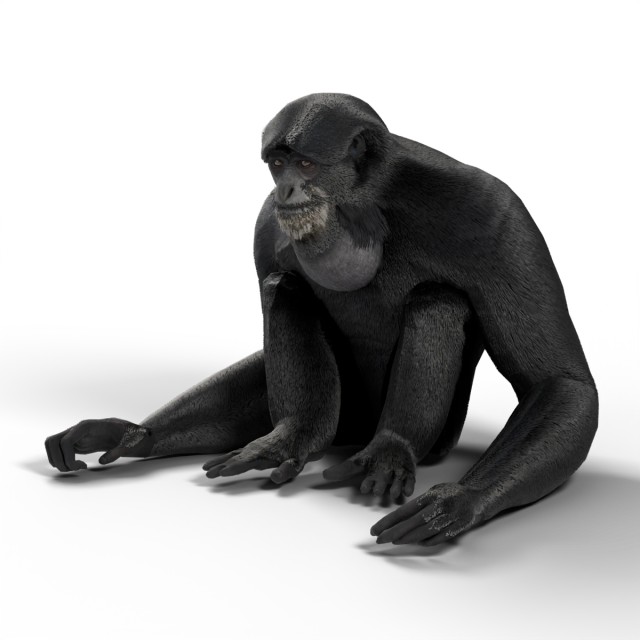
Male
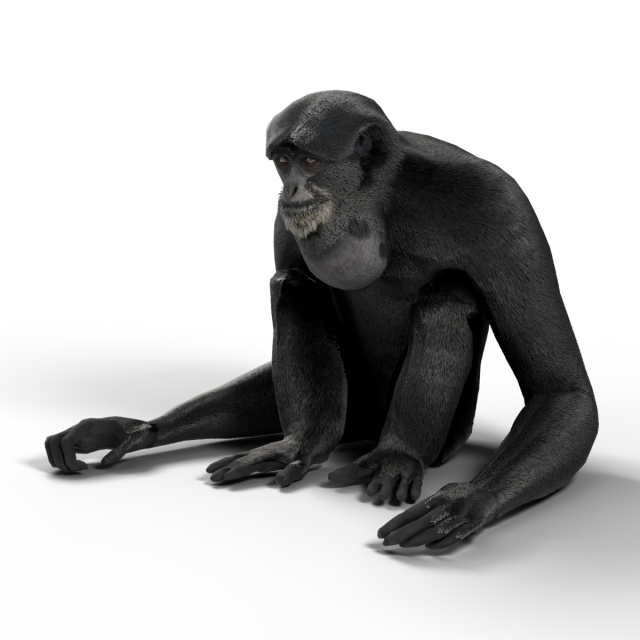
Female
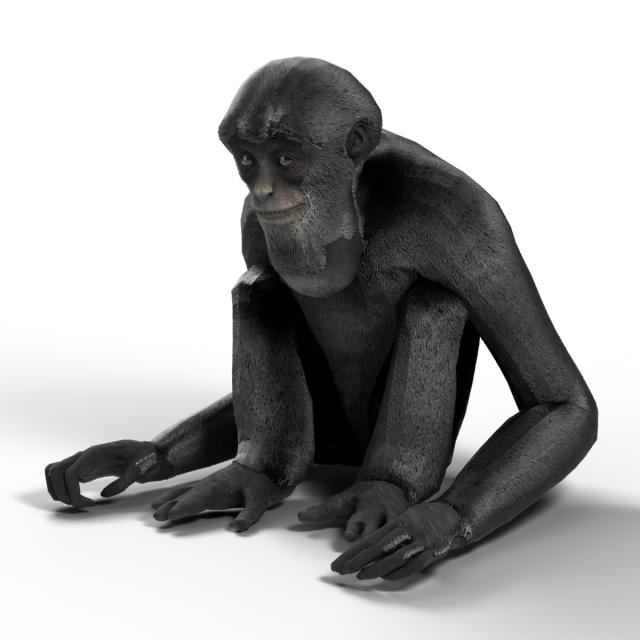
Juvenile
Size & weight
Size
Standing height: 88 cm
Juvenile
Juvenile weight
5.75 kg
Measured as Standing height. The person stands 1.75 m tall for scale.
Habitat requirements
Barrier grade
Grade 2 of 5
Minimum height
3 m minimum
Climbing & water
Climb proof
Needed
Water barrier
Allowed
Water barrier size
6 m wide, 2 m deep
Barriers at this grade
Barrier types with resistance grade 2.



Habitat needs
Minimum area
Land
240 m² + 40 m² per extra animal
Climbing
60 m² + 20 m² per extra animal
Shelter
10 m² per animal
Environment
Temperature
18 to 33°C
Plant coverage
45-100%
Enclosure
Climb-Proof Habitat
Dislikes
Rain and snow
Terrain
- Short Grass 20-100%
- Sand 0-20%
- Soil 10-80%
- Rock 0-40%
- Waterlogged 0-10%
Diet and enrichment
Diet
- Fruit and Vegetables
- Leafy Greens












Water sources

Conservation
IUCN Red List
Endangered
Least concern
Critically endangered
Wild population
100,000
100,000 (estimated) in the wild. Rank 39 of 58 species with a known count, smallest first.
Siamangs are Endangered due to the great decrease in population numbers over the last decades. Deforestation and agricultural land conversion is the main threat to their survival, as their habitat is destroyed to often create palm oil plantations or illegal logging operations. This fragments and isolates populations, making it difficult for them to find mates. They are also under pressure from the illegal pet trade, where poachers will kill mothers to have easier access to their infants to sell them. The siamang is a protected species, and several areas throughout their native range have been designated as conservation zones to safeguard the remaining populations of not only the siamang, but also other gibbons. Some organisations have launched successful rescue and reintroduction programs into safe, monitored areas. International and local efforts are also focused on educating communities, enforcing wildlife protection laws, and promoting sustainable land-use practices to limit deforestation.
Zoopedia sketchbook
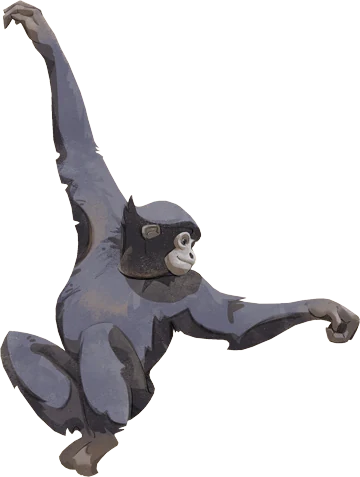
Social & reproduction
Keeper notes
Siamangs live in family groups made up of a monogamous breeding pair with their immature offspring, usually 2 to 3 juveniles. They are very social animals and generally do not live alone. Young, single siamangs vocalise to attract a mate. When a male and female siamang meet, they will share each other’s company and food, and if compatible, will begin bonding by grooming each other and singing ‘duets’. They may begin copulating often, from which point on the couple will remain together for life. Mating can occur year-round, but peaks from May to July. Pregnancies last around 8 months, and the female will give birth to a single infant. She will carry it around exclusively for the first 3 months of its life, then less and less. The juvenile begins consuming solid food at 6 months of age, and will be fully weaned at 1 year old. Around this time, the father will become the primary carer, teaching the infant how to traverse the trees, forage, and interact with other siamangs. At around 3 years of age, the juvenile does not require much assistance from its parents anymore, and the mother will usually give birth to a newborn once her first child is 3 years old. Older siblings often aid the father with raising infants. Siamangs leave their family group at around 6 to 8 years old in order to found their own families, reaching sexual maturity at 8 or 9 years old.
Group and breeding
Group
Group name
Clan
Group size
2-6 (up to 5 males, up to 5 females)
Male bachelor group
1-6
Female bachelor group
1-6
Offspring dispersal
None
Lifecycle and breeding
Life expectancy
30-50 years
Age of sexual maturity
8 years
Age of sexual sterility
40 years
Gestation or incubation
8 months
Interbirth period
28 months
Litter size
1
Mating system
Monogamous
Mating season
Aseasonal
Reproduction in captivity
Average
Dominance
Dominant mated pair leading family
Research
Research levels
| Level | Unlocks | Research gate |
|---|---|---|
| Level 1 | Thriving Requirement 1: at least 15 objects or plants with the Climbable tag | |
| Level 2 | Thriving Requirement 2: Tool Puzzle Feeder, at least 2; Siamang Fact Sheet | |
| Level 3 | Release groups and release to the wild | |
| Level 4 | Thriving Requirement 3: Food Grade 2; Fertility Level 1 (+15% fertility) | Before this level: an Observation Network (Observation Platform) in Sumatra Reserve and this species released in Sumatra Reserve |
| Level 5 | Thriving Requirement 4: at least 50% native plants | |
| Level 6 | Thriving Requirement 5: at least 4 objects or plants with the Trees tag; Fertility Level 2 (+30% fertility) |
Researched by
Vets
Researched at
Habitat or exhibit and Research Centre
Wildlife Reserve
Sumatra Reserve
Every level of this species' research, with its unlock conditions.
Release groups
Valid release groups
| Group | Type | Animals |
|---|---|---|
| Family Troop | Mixed group | 2 to 3 males, 2 to 3 females |
| Mating Pair | Breeding partners | 1 male, 1 female |
Release requirements
| Requirement type | Requirement |
|---|---|
| Ecosystems Required | Lowland Rainforest |
| Ecosystems Required | Montane Rainforest |
Ecosystems


Release groups, reserve requirements and the roles this species fills.
Animal facts
- Siamang monogamous pairs will often sing together for several minutes to mark and defend their territory and bond with each other.
- The Siamang is the largest species of gibbon.
- Siamangs play an important role in their native ecosystems, as frugivores they aid forest regeneration by spreading seeds via defecation.
- Two toes on the siamang’s feet are connected by membrane, a feature unique to the siamang within the gibbon family.
- Siamang families develop very close bonds; parents mate for life and the whole group travels together.
Taxonomy
Class
Order
Family
Genus
Species