Overview
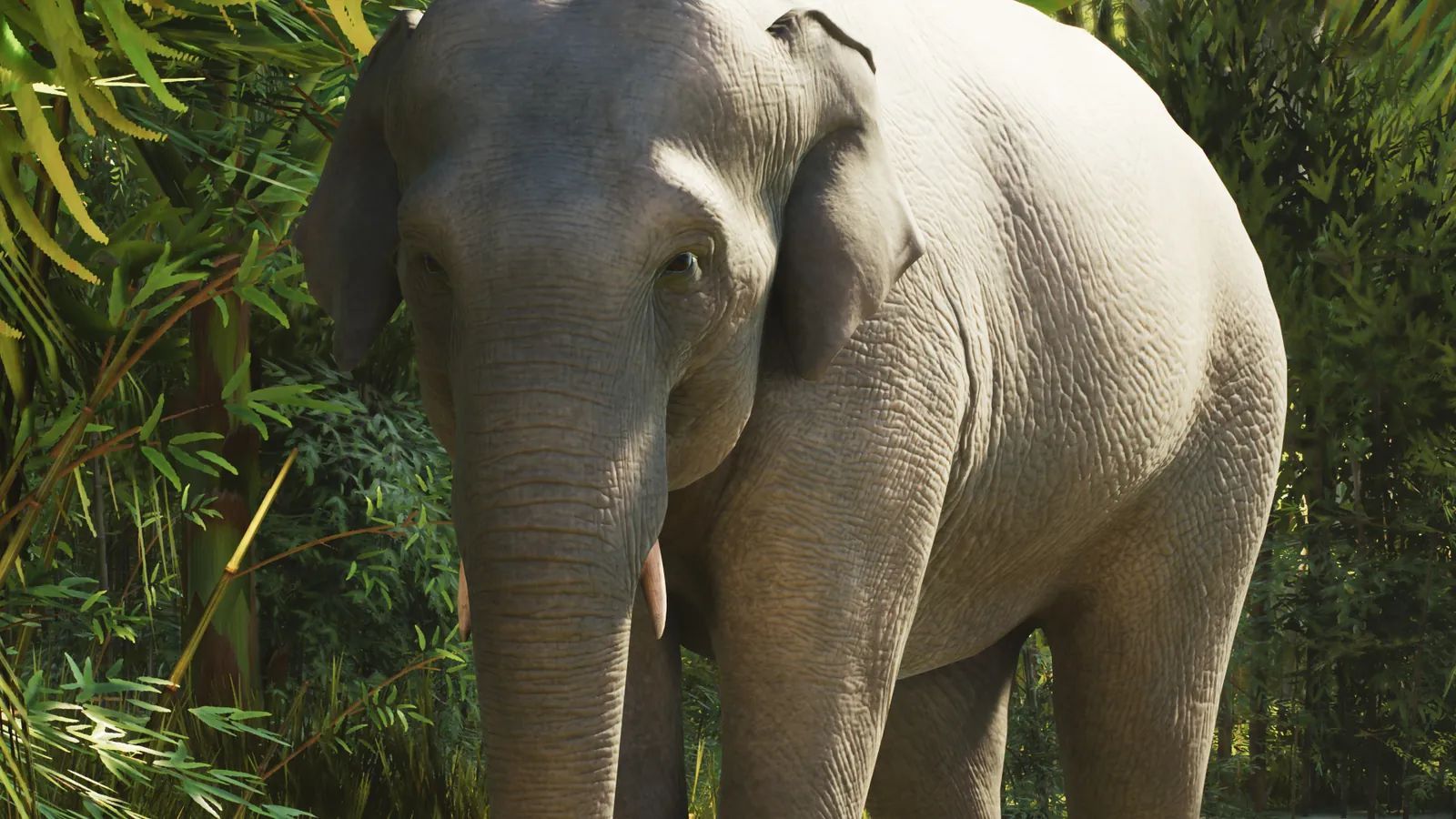
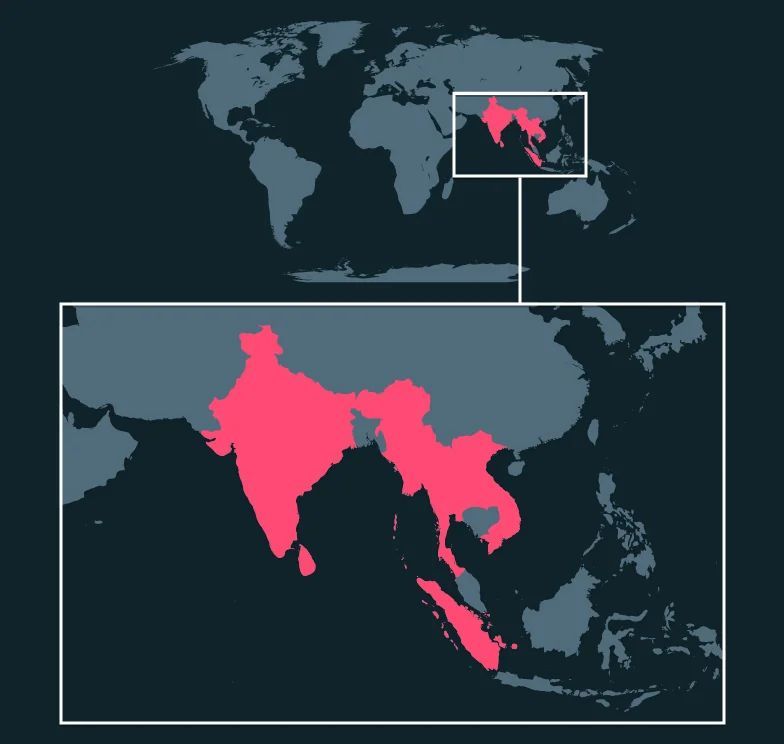
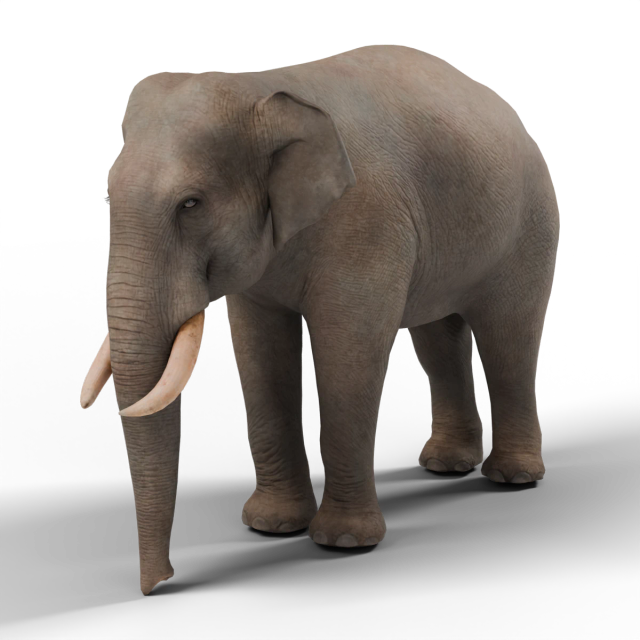
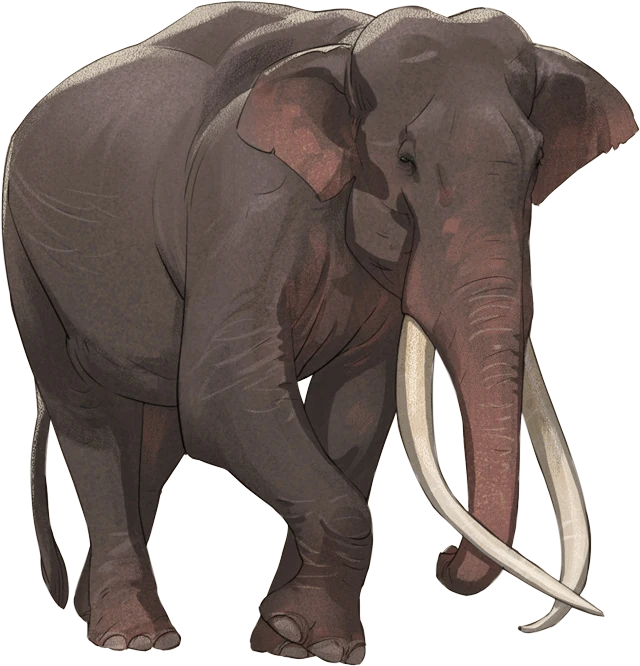
Native to both Central and Southeast Asia, the Asian elephant (or Elephas maximus) is a species distinguishable by a distinctive trunk, small ears, and grey skin with pink mottling around the face. They are large herbivores and live in a variety of different environments, including forests, grasslands and mountains, wherein they feed on tree leaves, bark and grasses. Asian elephants are smaller than their African counterparts, with males reaching an average height of 2.75m and weighing 4000kg, compared to the female average of 2.40m and 2400kg.
Found in Asia
Regions
No entries.
Biomes
No entries.
Appearance
Male
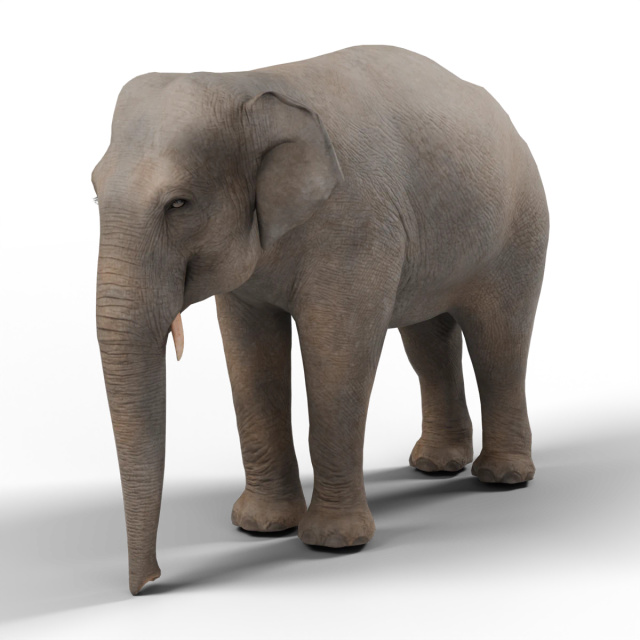
Female
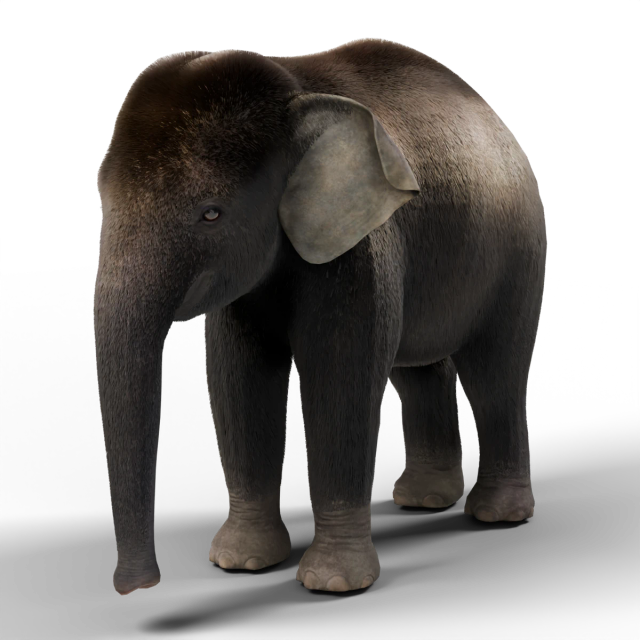
Juvenile
Colourmorphs
No entries.
Size & weight
Size
Shoulder height: 2.4 to 2.75 m
Measured as Shoulder height. The person stands 1.75 m tall for scale.
Habitat requirements
Barrier grade
Grade 4 of 5
Minimum height
3 m minimum
Climbing & water
Climb proof
Water barrier
Habitat needs
Terrain
- Grass 20-40%
- Sand 10-40%
- Soil 20-40%
- Rock 0-20%
- Waterlogged 10-40%
Diet and enrichment
Diet
- Leaves and Branches
- Hay
Feeders
No entries.
Enrichment items
No entries.
Water sources
No entries.
Conservation
IUCN Red List
Endangered
Least concern
Critically endangered
The species is Endangered, threatened primarily by the loss, degradation and fragmentation of their habitat. All of these are a result of humanity's expansion into their lands, and furthermore this sharing of space causes additional conflict between the two; the animals trample crops and destroy farmland, and thus are often killed by humans. Poaching is also a threat but to a lesser extent than African elephants because their tusks are much smaller and only present in mature males. In order to conserve the Asian elephant, efforts are being made to protect their habitats and provide connections between populations that have become separated by the change in land use. Indian conservation groups are also conducting research on the conflict between farmers and elephants, in order to propose adaptive management schemes as problems arise.
Zoopedia sketchbook
Social & reproduction
Keeper notes
Elephants are mostly social animals, with females living, travelling and foraging in tight-knit herds with their calves. They will also care for each other and help each other raise young. These herds are matrilineal – normally, the oldest female will lead the group and, when she dies, the next oldest female will take her place. Young adult male elephants live loosely bonded in bachelor herds and travel together to locate food and mates. The exception is mature males, who will often live alone. Asian elephants can mate year round, but fertility peaks during rainy seasons. To mate, male elephants will track female herds. Their success is dependent on their maturity, as well as the receptiveness of the female, and he is also more likely to receive a female's attraction if he's going through 'musth' – a time of heightened aggression and virility due to an increase in his testosterone levels. The two will then court by chasing after and vocalising to one another. An elephant pregnancy lasts between 18 and 22 months before the birth of a single calf, who will stay with its mother until the age of 8. At this point, females stay with their mother's herd, whereas males leave and join a bachelor herd of other young males.
Group and breeding
Dominance
Matriarchal
Research
Research levels
| Level | Unlocks | Research gate |
|---|---|---|
| No entries. | ||
Every level of this species' research, with its unlock conditions.
Release groups
Valid release groups
| Group | Type | Animals |
|---|---|---|
| No entries. | ||
Release groups, reserve requirements and the roles this species fills.
Animal facts
- Elephants migrate at the beginning of the dry season to areas with more food and water.
- Despite popular opinion, elephants do not use their trunk to drink; they use it to funnel water into their mouth.
- Elephants have been known to use tree branches to swat flies, dislodge parasites and scratch themselves.
- In the wild, elephants have mutualistic relationships with birds that remove parasites from their skin.
- Asian elephants are more closely related to mammoths than African elephants.
Taxonomy
Class
Order
Family
Genus
Species