Overview
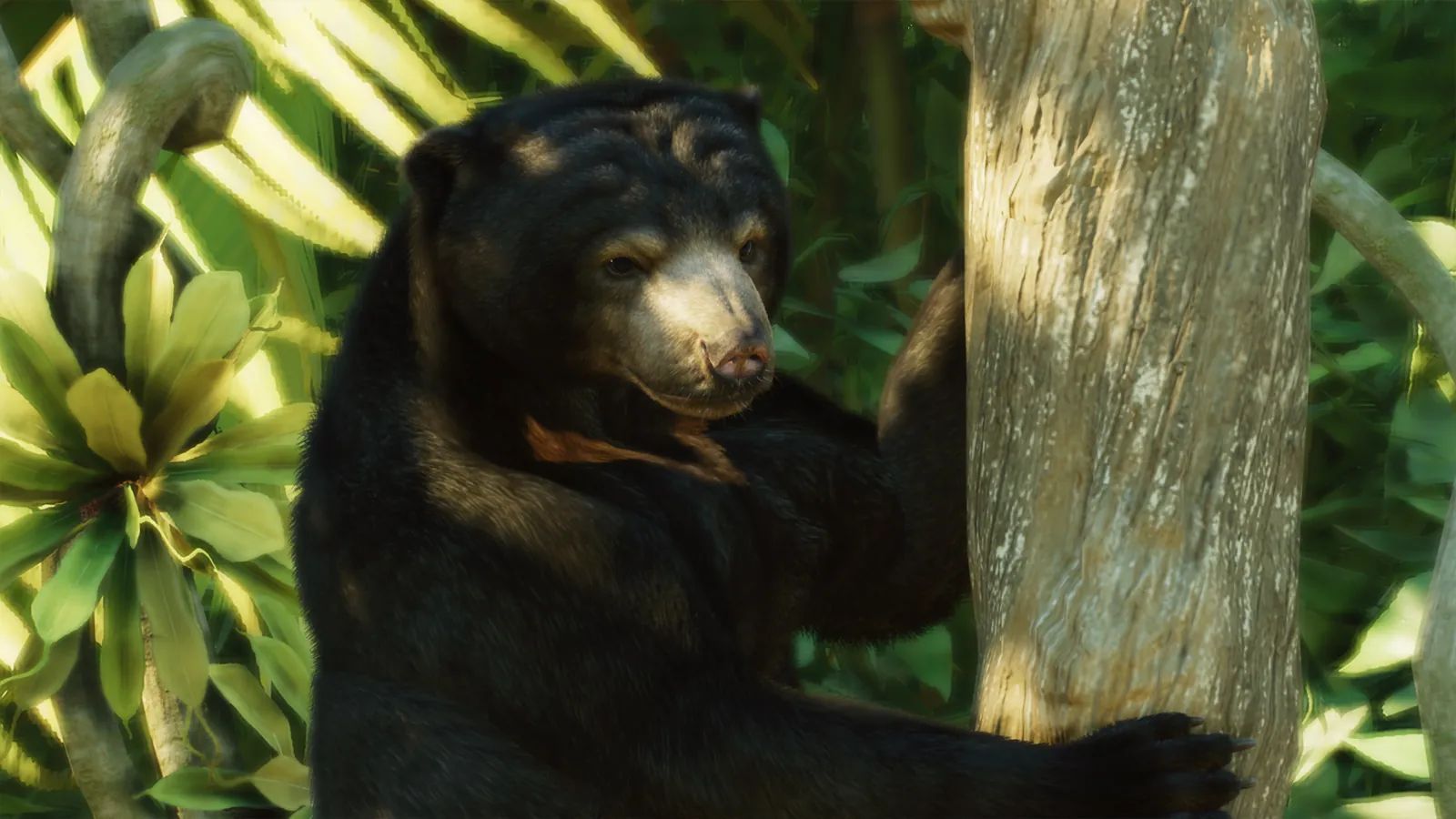
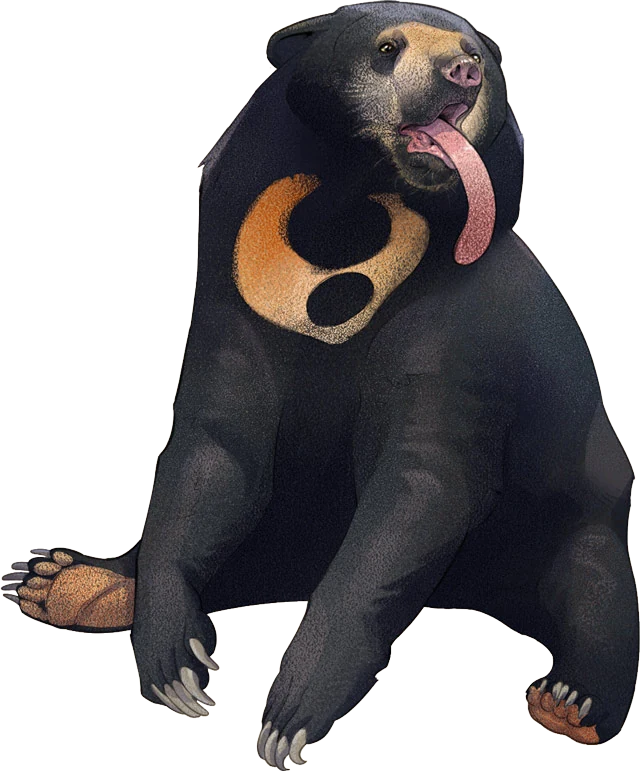
马来熊 (学名:Helarctos malayanus) 是生活在东南亚热带雨林中的一种小型熊类。 它们有深褐色至黑色的毛皮,脸部和口鼻部呈黄褐色,上胸部则有独特的橙色新月状斑纹。马来熊有宽大的头部、方方长长的口鼻部以及小巧的圆耳朵。 雄性和雌性的外观相似,但雄性的体型比雌性大 10% 至 20%。它们的体长介于 120 至 150 厘米之间,平均体重则介于 27 至 65 公斤之间。
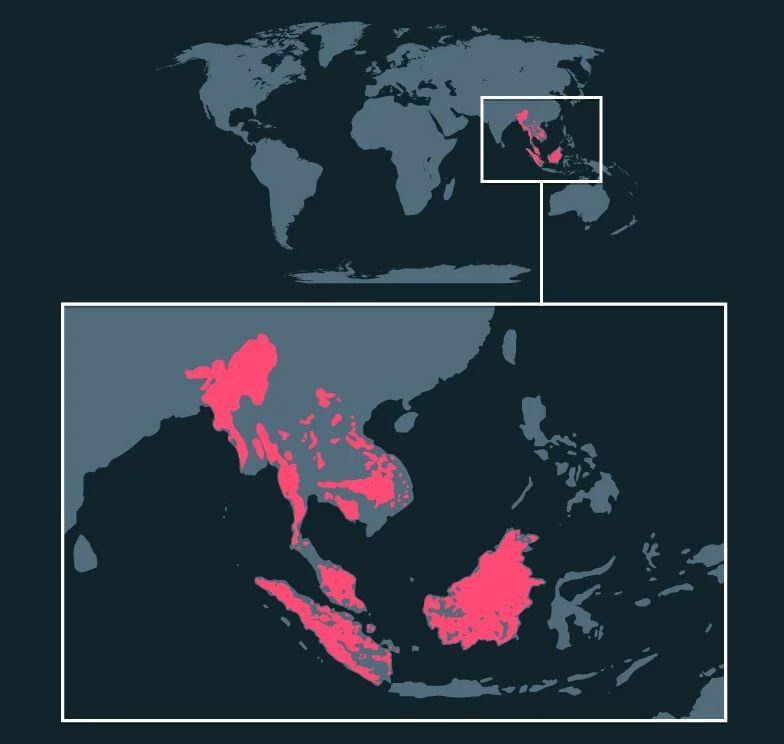
Found in 东南亚
Regions
Biomes
没有项目。
栖地要求
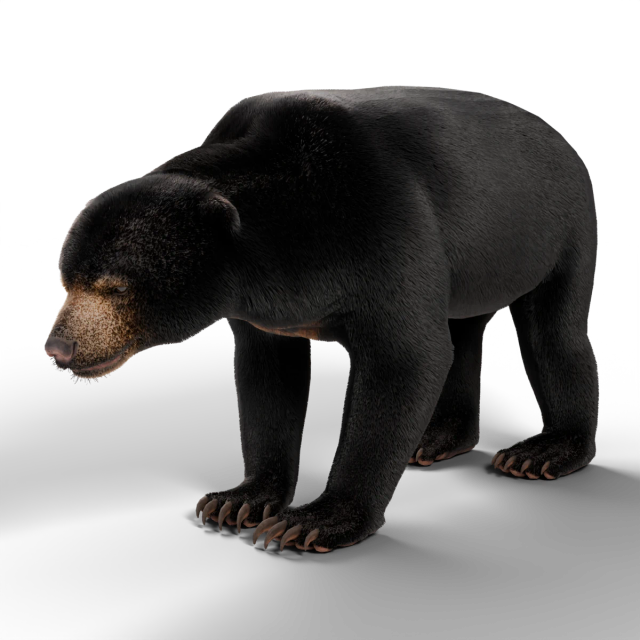
Male
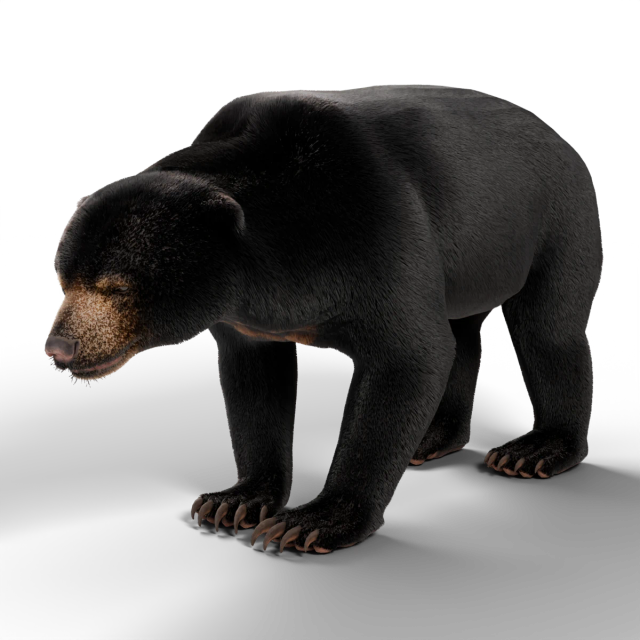
Female
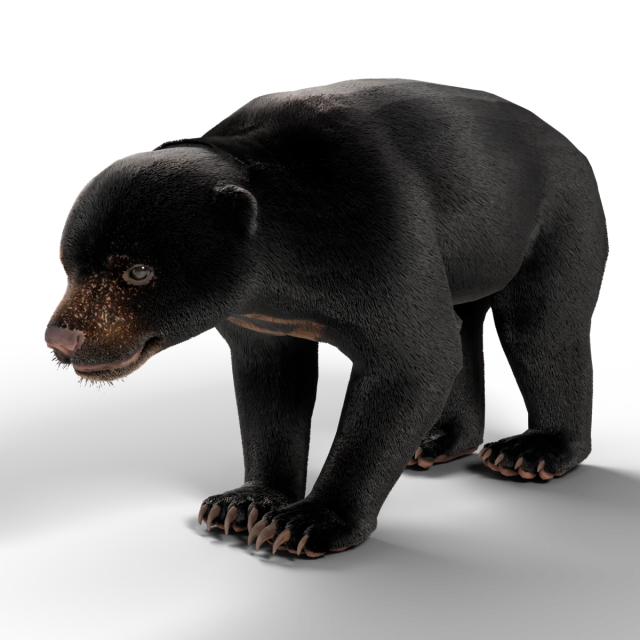
Juvenile
栖地需求
Size
鼻尖到臀部: 1.25 to 1.4 m
地形
Juvenile weight
9.25 kg
Measured as 鼻尖到臀部. The person stands 1.75 m tall for scale.
饮食与丰富化
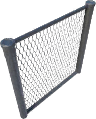
Barrier grade
Grade 3 of 5
Minimum height
3 m minimum
Climbing & water
Climb proof
Needed
Water barrier
Not allowed


IUCN红色名录
Minimum area
Land
920 m² + 每多一只动物135 m²
Water
30 m² + 每多一只动物15 m²
Climbing
30 m² + 每多一只动物15 m²
Shelter
每只动物20 m²
Environment
Temperature
18至33°C
Plant coverage
20-100%
Enclosure
防攀爬栖地
Dislikes
Rain and snow
Terrain
- 沙0-10%
- 岩石0-20%
- 土50-100%
- 草地0-50%
社交与繁殖
饲养员笔记
- 叶菜及蔬菜
- 肉块及水果
Feeders
没有项目。
Enrichment items
没有项目。
Water sources
没有项目。
Conservation
群体与育种
易危
Least concern
Critically endangered
马来熊属于易危物种,主要威胁来自栖地丧失、偷猎和非法野生动物贸易。为棕榈油种植园和伐木而进行的森林砍伐,导致它们赖以生存的热带雨林栖地不断细碎化。此外,马来熊还常被当成奇珍异兽贩卖,或是惨遭猎杀,取其身体部位用作传统药材。马来熊生性孤僻,行踪隐秘,科研人员难以准确监测其种群数量,这也让保育规划与干预工作变得更加复杂。 当地政府与保育组织正通过多种方式保护马来熊:救助中心为从非法贸易和圈养中获救的马来熊提供安全环境,并进行康复训练,为日后可能的野放做准备。推广可持续的棕榈油生产方式有助于遏制毁林行为。此外,社区科普宣传也十分重要,它让更多人了解到马来熊在生态中的作用,自觉抵制偷猎。持续开展的就地与迁地研究,能帮助人们深入了解马来熊的行为,为保护策略与政策制定提供依据,保障它们的长期生存。
Zoopedia sketchbook
动物资料
Keeper notes
除了带着幼熊的母熊以外,马来熊都是独自生活,只有交配时才会与同类互动。 由于这一物种生性隐密,我们对于其交配习性仍有许多未知之处。 目前所知的是,马来熊全年都会交配,雄性会通过雌性的尿液追踪对方。相遇后,双方会进行短暂的求偶行为,交配后则会分道扬镳。 雌性马来熊的妊娠期大约为 3 至 7 个月,它会在生产前几周找寻树洞或类似的地点作为巢穴,然后产下 1 至 3 只幼熊。这些幼熊会跟在母亲身边 3 年。 之后,雌熊有可能会再次交配,原本的幼熊则会离开母亲,开始独立生活。马来熊在 3 至 4 岁时达到性成熟。
Group and breeding
Group
Group size
1-2 只 (最多 1 只雄性,最多 1 只雌性)
Male bachelor group
1
Female bachelor group
1
Offspring dispersal
全部子代
Lifecycle and breeding
Life expectancy
25-30年
Age of sexual maturity
4年
Age of sexual sterility
死亡时
Gestation or incubation
6.8 个月
Interbirth period
29.2 个月
窝产仔数
1-3
Mating system
杂交
Mating season
无季节性
Reproduction in captivity
简单
相关动物
Research levels
| Level | Unlocks | Research gate |
|---|---|---|
| Level 1 | Thriving Requirement 1: at least 7 objects or plants with the Bushes tag | |
| Level 2 | Thriving Requirement 2: at least 5 objects or plants with the Trees tag; Sun Bear Fact Sheet | |
| Level 3 | Release groups and release to the wild | |
| Level 4 | Thriving Requirement 3: Food Grade 2; Fertility Level 1 (+15% fertility) | Before this level: an Observation Network (Observation Platform) in Sumatra Reserve and this species released in Sumatra Reserve |
| Level 5 | Thriving Requirement 4: at least 50% native plants | |
| Level 6 | Thriving Requirement 5: Climbing Area; Fertility Level 2 (+30% fertility) |
Researched by
兽医
Researched at
栖地或展示区与研究中心
Wildlife Reserve
苏门答腊保护区
Every level of this species' research, with its unlock conditions.
Release groups
Valid release groups
| Group | Type | Animals |
|---|---|---|
| Maternal Family Group | Female group | 1 female |
| Solitary Male | Solitary male | 1 male |
Release requirements
| Requirement type | Requirement |
|---|---|
| Ecosystems Required | Lowland Rainforest |
| Ecosystems Required | Limestone Hills |
Ecosystems


Release groups, reserve requirements and the roles this species fills.
Animal facts
- 马来熊是体型最小的熊类。
- 马来熊幼崽出生时眼盲且无毛。
- 马来熊又被称为“蜜熊”,因为它们热爱蜂蜜,且有破坏蜂巢取得蜂蜜的习性。
- 马来熊的舌头有 20 至 25 厘米长。它们会用舌头来取食昆虫和蜂蜜。
- 马来熊会模仿彼此的面部表情,这种行为和灵长类很相似。
Taxonomy
Class
Order
Family
Genus
Species