Overview
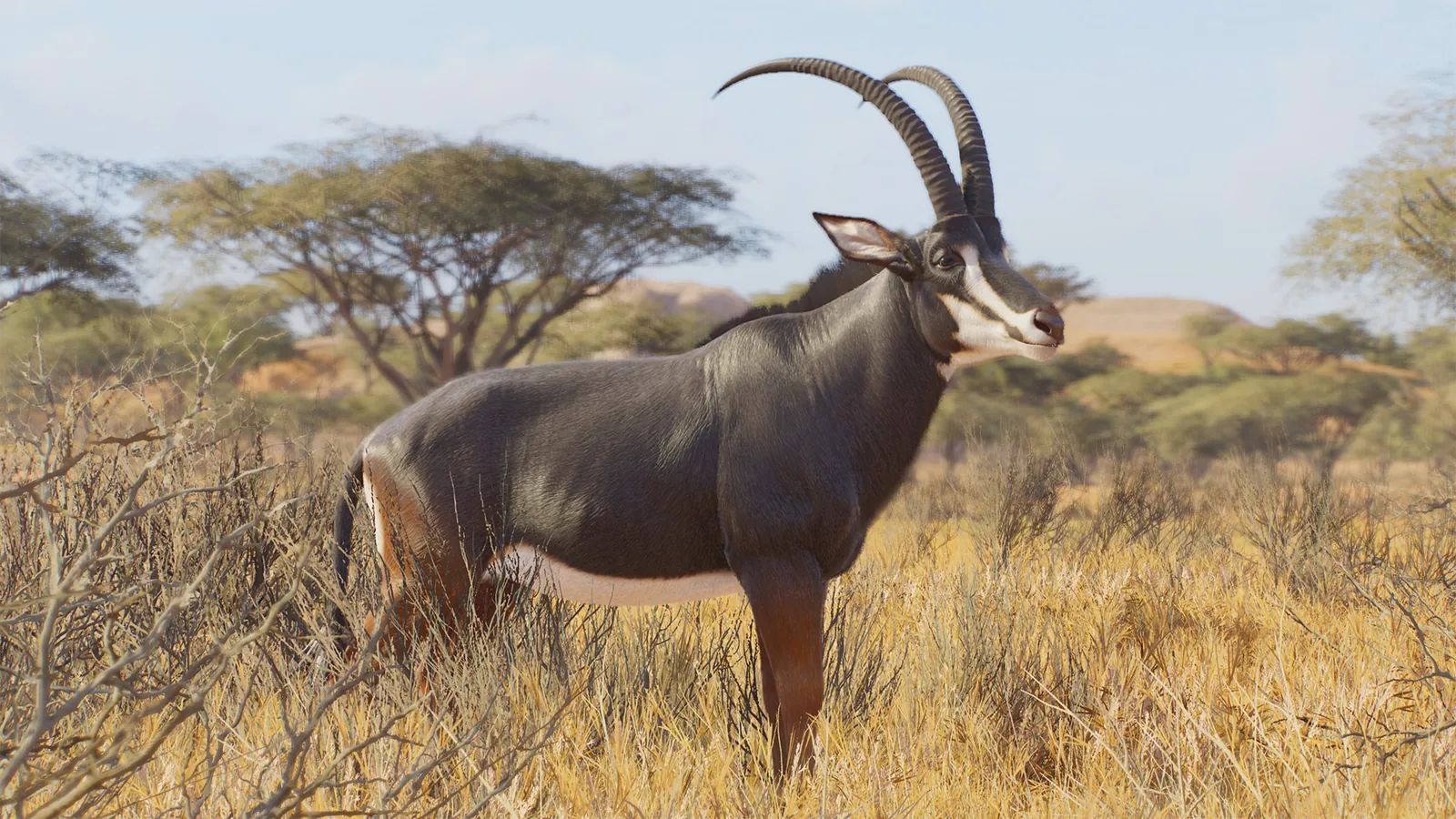
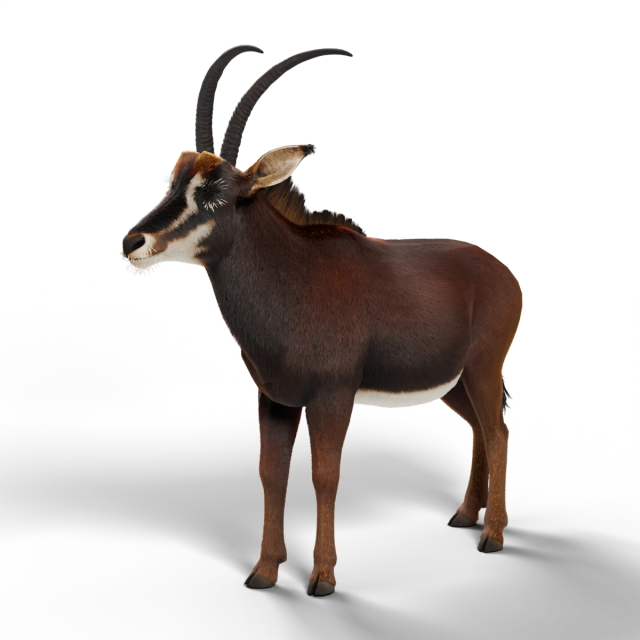
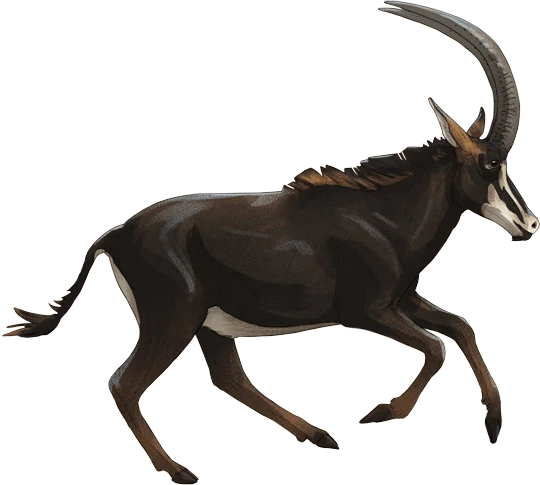
黑马羚 (Hippotragus niger) 是生活在非洲东南部的有蹄类动物。它们在莽原上吃草觅食,比起空旷的大草原,它们更喜欢疏林。 黑马羚有向后方弯曲的尖锐长角、棕褐色至黑色的毛皮,除了白色的下腹部、下巴和喉部,脸上还有白色的泪状斑块。 雄性的体型比雌性大,而且毛色更深,角也更长。雄性肩高 1.17 至 1.4 米,体重 210 至 260 公斤,角长 0.81 至 1.65 米;雌性肩高 0.95 至 1.12 米,体重 200 至 240 公斤,角长 0.61 至 1.02 米。
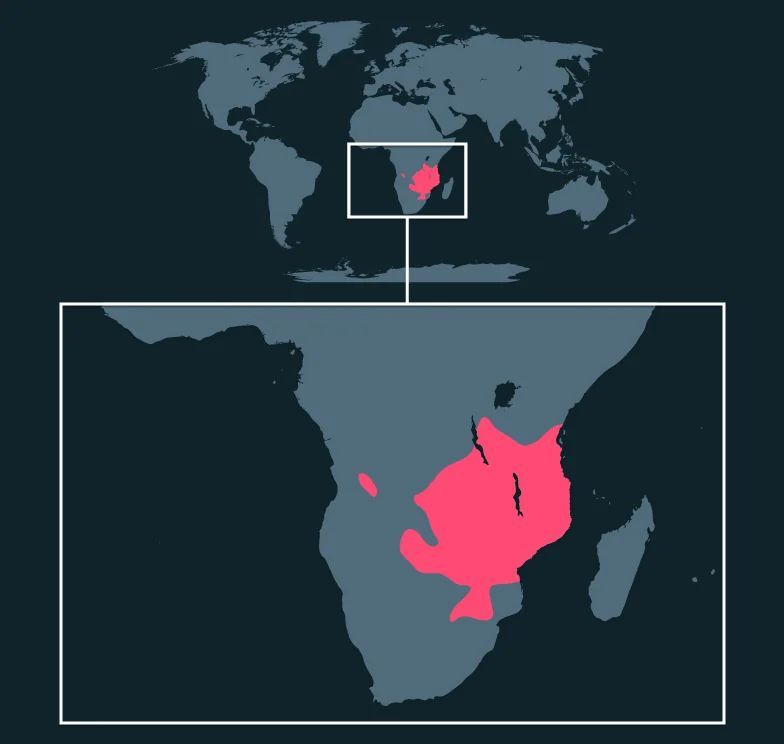
Found in 非洲
Regions
Biomes
没有项目。
栖地要求
Male
Female
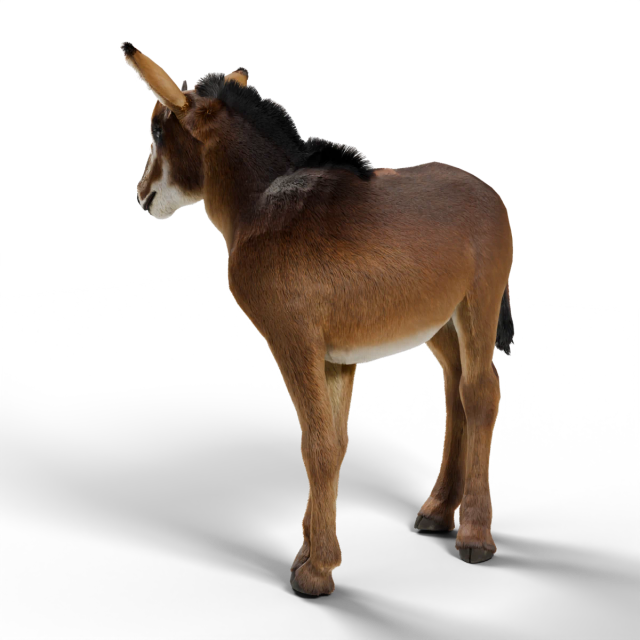
Juvenile
栖地需求
Size
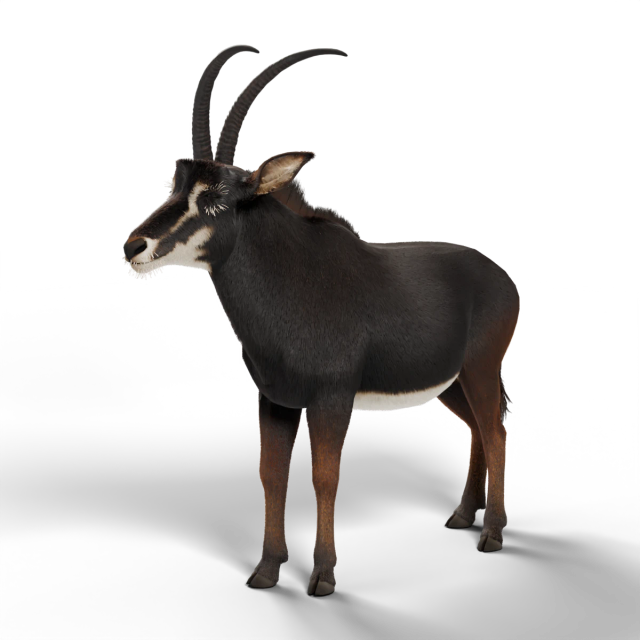
肩高: 1.1 to 1.25 m
环境
Male
235 kg
Female
220 kg
Bars use a log scale against the heaviest animal in the Zoopedia, the 河马.
Measured as 肩高. The person stands 1.75 m tall for scale.
饮食与丰富化
Barrier grade
Grade 2 of 5
Minimum height
1.25 m minimum
Climbing & water
Climb proof
Not needed
Water barrier
Not allowed




IUCN红色名录
Minimum area
Land
450 m² + 每多一只动物60 m²
Shelter
每只动物12.5 m²
Environment
Temperature
14至36°C
Plant coverage
0-30%
Enclosure
栖地
Dislikes
Rain and snow
Terrain
- 沙0-30%
- 土10-40%
- 岩石0-20%
- 长草25-100%
- 草地30-100%
Thriving Relationships
非洲莽原: sharing a habitat with one of these species fulfils a Thriving requirement.
没有项目。
社交与繁殖
饲养员笔记
- 干草
- 草食颗粒饲料
Feeders
没有项目。
Enrichment items
没有项目。
Water sources
没有项目。
Conservation
群体与育种
无危
Least concern
Critically endangered
Wild population
50,000
50,000 - 60,000 in the wild. Rank 35 of 58 species with a known count, smallest first.
从整个物种层面来看,黑马羚被评定为无危等级,但安哥拉的亚种大黑马羚则属于极危物种。它们面临栖地丧失以及与家畜争夺资源的威胁。随着莽原被改造成农田或因基础设施建设而细碎化,黑马羚失去了觅食场所。此外,为获取肉食和战利品而进行的偷猎也会对局部种群造成影响。长期干旱加剧了该物种的生存压力,对大黑马羚造成的影响尤为严重,它们赖以生存的低矮植物在持续缺水的情况下会大量枯死。 相关地区已建立并扩大保护区与野生动物保护地,确保羚群拥有安全的栖地,能够自然觅食、繁殖与迁徙。反偷猎巡查和执法力度的提升,对遏制非法狩猎起到了积极作用。监测数据指导着土地管理决策,而社区主导的保护行动在推动土地可持续利用、树立野生动物保护意识方面的作用愈发显著。
Zoopedia sketchbook
动物资料
Keeper notes
黑马羚是群居动物,在野外有两种群体:一是繁殖群体,成员包括具血缘关系的雌性、其子代和一只没有血缘关系的优势雄性;二是单身群体,成员为尚未建立起自己妻妾群的年轻雄性。 每年 5 月至 7 月的交配季节,群体中的优势雄性黑马羚会与领地内所有发情雌性交配。 怀孕的雌性黑马羚会在 8 至 9 个月后离开群体独自生产,幼崽出生后的前 4 周都会被母亲藏匿起来,之后才会重新加入群体一起觅食吃草,并在 8 个月大时完全断奶。 黑马羚 18 个月大时达到性成熟,但通常要再长大些才会繁殖。雌性黑马羚会继续留在母亲的群体中生活,并可能在 2 岁半时产下自己的第一只幼崽;雄性则会在 3 岁左右被驱离原生群体,加入由其他年轻雄性组成的单身群体。到大约 5 至 6 岁时,雄性黑马羚会离开群体,建立自己的领地,争取成为雌羚群体中的优势雄性。
Group and breeding
Group
Group name
Herd
Group size
3-11 只 (最多 1 只雄性,最多 10 只雌性)
Male bachelor group
1-6
Female bachelor group
1-11
Offspring dispersal
雄性子代
Lifecycle and breeding
Life expectancy
16-22年
Age of sexual maturity
1.5年
Age of sexual sterility
死亡时
Gestation or incubation
8.5 个月
Interbirth period
3.5 个月
窝产仔数
1
Mating system
一雄多雌制
Mating season
夏季
Reproduction in captivity
极易
Dominance
优势雄性;雌性家族中有等级制度
相关动物
Research levels
| Level | Unlocks | Research gate |
|---|---|---|
| Level 1 | Thriving Requirement 1: at least 10 objects or plants with the Grass tag | |
| Level 2 | Thriving Requirement 2: at least 5 objects or plants with the Spreading Crown tag; Sable Antelope Fact Sheet | |
| Level 3 | Release groups and release to the wild | |
| Level 4 | Thriving Requirement 3: Food Grade 2; Fertility Level 1 (+15% fertility) | Before this level: an Observation Network (Observation Platform) in Great Rift Valley Reserve and this species released in Great Rift Valley Reserve |
| Level 5 | Thriving Requirement 4: at least 4 objects or plants with the Rocks tag | |
| Level 6 | Thriving Requirement 5: African Savannah Social Group; Fertility Level 2 (+30% fertility) |
Researched by
兽医
Researched at
栖地或展示区与研究中心
Wildlife Reserve
东非大裂谷野生动物保护区
Every level of this species' research, with its unlock conditions.
Release groups
Valid release groups
| Group | Type | Animals |
|---|---|---|
| Mixed Herd | Mixed group | 1 male, 6 to 10 females |
| Male Bachelor Herd | Male group | 3 to 5 males |
| Female Group | Female group | 6 to 12 females |
Release requirements
| Requirement type | Requirement |
|---|---|
| Ecosystems Required | Savannah |
| Ecosystems Required | Flourishing Grassland |


Release groups, reserve requirements and the roles this species fills.
Animal facts
- 雌性黑马羚群体中有牢固的等级制度,其中最健壮且健康的个体就是雌性首领。它们也会对新的雌性群体成员怀有敌意。
- 在野外,黑马羚会咀嚼骨头以从中获取矿物质。
- 黑马羚的毛色会随年龄增长变得越来越深。毛皮的颜色深浅通常代表了族群成员的年纪,雌性和雄性首领的毛色则介于深棕色和黑色之间。
- 年轻雄性黑马羚经常玩闹式地练习打斗技巧,较年长的雄性则会通过撞头或用角互相推挤来挑战彼此,但它们的打斗很少会变得过于暴力。
- 黑马羚碰到掠食者时并不总是选择逃跑,有时会坚守阵地,通常会用角进行攻击。已知它们曾在这样的打斗中杀死狮子。
Taxonomy
Class
Order
Family
Genus
Species