Overview
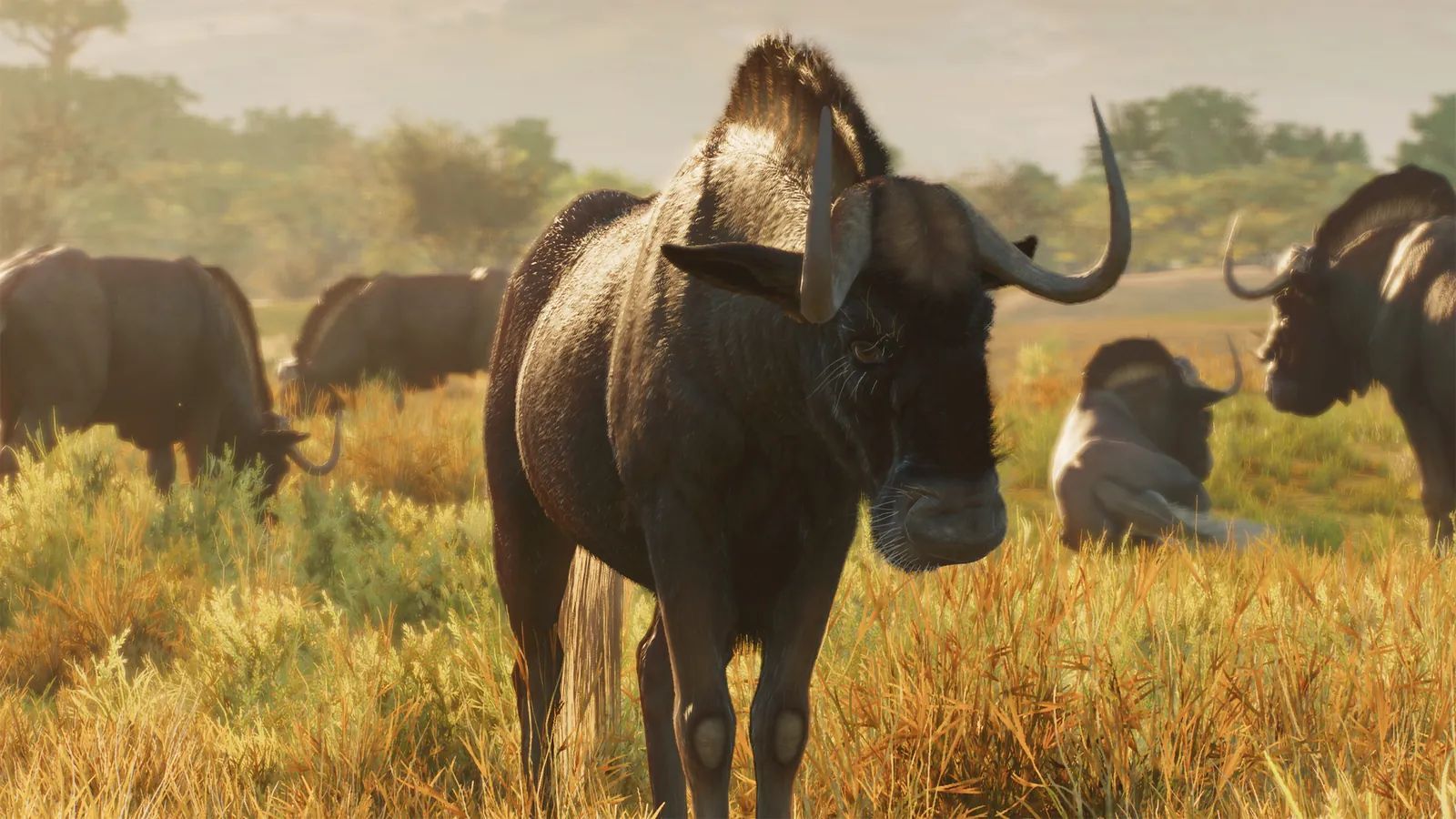
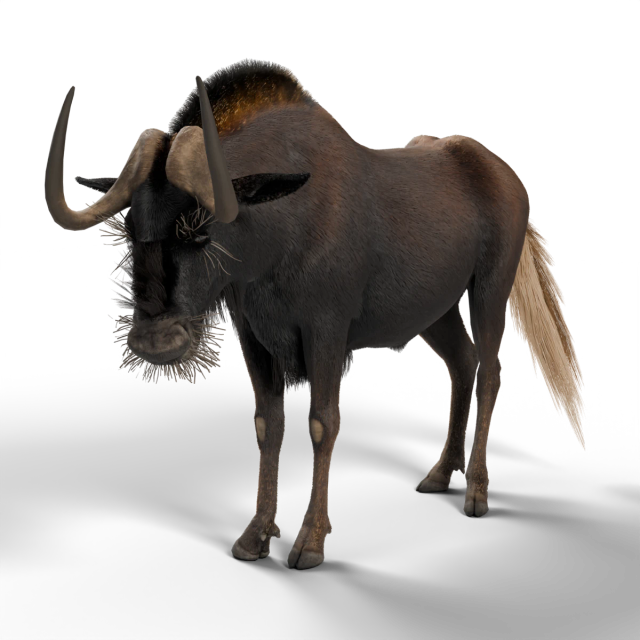
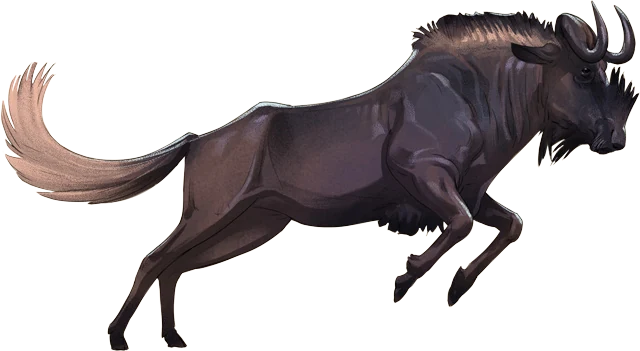
白尾角马 (学名:Connochaetes gnou) 是一种原生于非洲南部的大型有蹄类物种,它们的别名“gnu”取自其受到惊吓时发出的独特叫声。 该物种的外观特色是黑褐色的毛皮,L 型的长角,以及显眼的白色尾巴。雌雄角马都有厚而浓密的鬃毛。 相对于雌性,雄性角马的毛色较深,体型也较大。它们肩高 1.11 至 1.21 米,体重介于 147 至 193 公斤之间。雌性角马的肩高则为 1.06 至 1.16 米,体重介于 120 至 160 公斤之间。
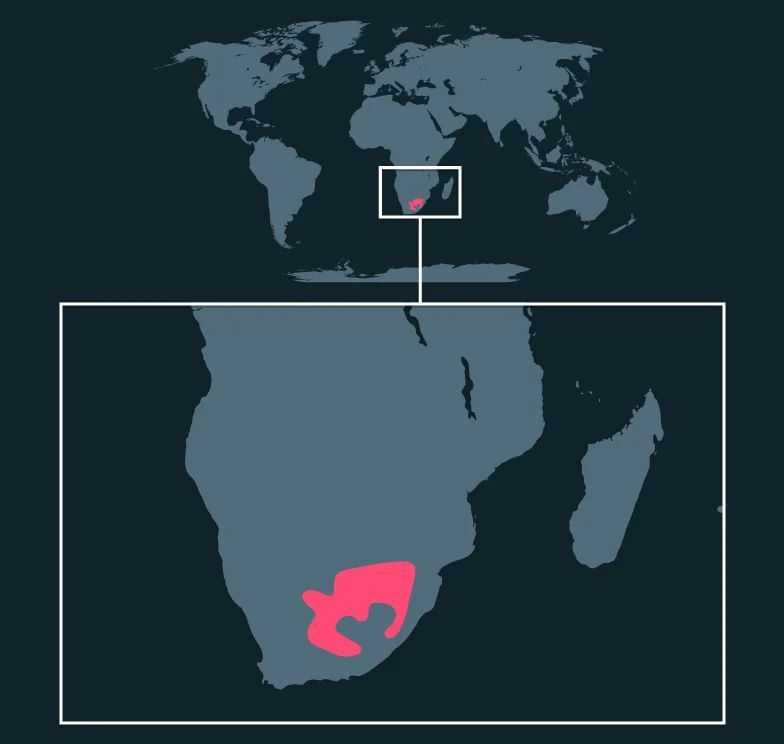
Found in 非洲南部
Regions
Biomes
没有项目。
栖地要求
Male
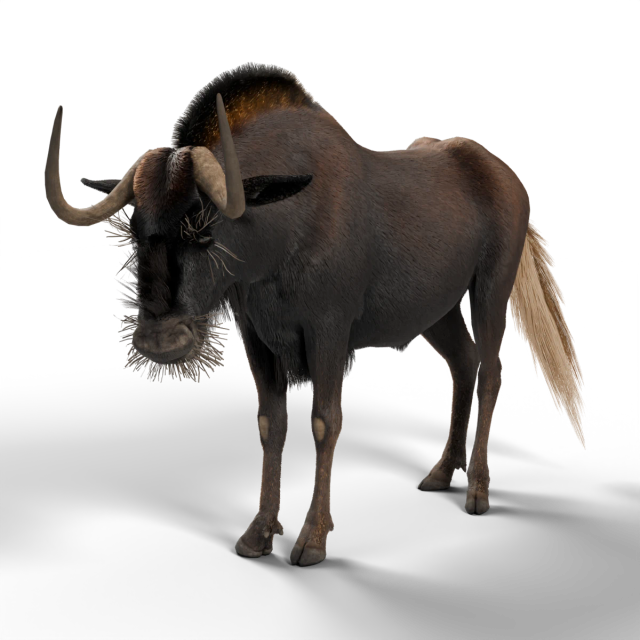
Female
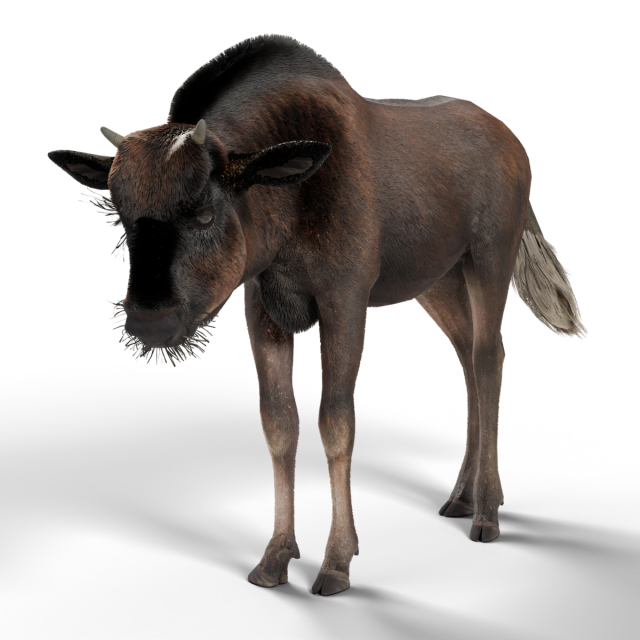
Juvenile
Colourmorphs
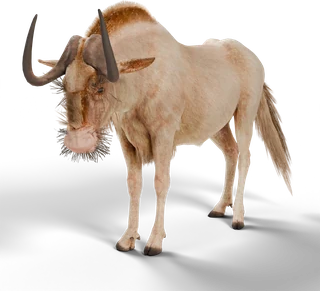 Albino male
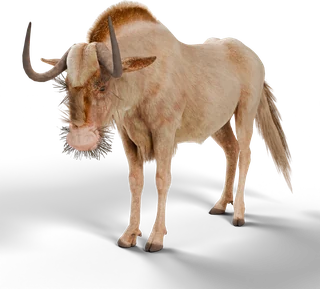 Albino female
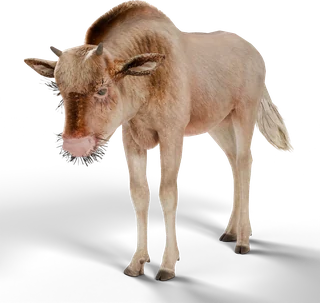 Albino juvenile
栖地需求
Size
肩高: 1.05 to 1.1 m
环境
Male
170 kg
Female
140 kg
Bars use a log scale against the heaviest animal in the Zoopedia, the 河马.
Measured as 肩高. The person stands 1.75 m tall for scale.
饮食与丰富化
Barrier grade
Grade 2 of 5
Minimum height
1.25 m minimum
Climbing & water
Climb proof
Not needed
Water barrier
Not allowed




IUCN红色名录
Minimum area
Land
410 m² + 每多一只动物40 m²
Shelter
每只动物10 m²
Environment
Temperature
14至36°C
Plant coverage
0-30%
Enclosure
栖地
Dislikes
Snow
Terrain
- 沙0-20%
- 土20-60%
- 岩石0-20%
- 长草25-80%
- 积水0-10%
- 草地30-80%
Thriving Relationships
非洲莽原: sharing a habitat with one of these species fulfils a Thriving requirement.
没有项目。
社交与繁殖
饲养员笔记
- 干草
- 草食颗粒饲料
Feeders
没有项目。
Enrichment items
没有项目。
Water sources
没有项目。
Conservation
群体与育种
无危
Least concern
Critically endangered
Wild population
11,160
11,160 in the wild. Rank 22 of 58 species with a known count, smallest first.
如今,白尾角马虽被列为无危物种,但其历史却充满阴霾。这种动物曾广泛分布于南部非洲的草原上,但在 19 世纪和 20 世纪因无节制的捕猎而几乎濒临灭绝。开阔草原被改造成农田,导致迁徙路线受阻,而支离破碎且彼此隔绝的残存种群极易受到基因瓶颈、疾病和捕食的威胁。尽管种群数量已有所稳定,但时至今日,它们仍面临着偷猎和车辆撞击的威胁。 白尾角马在多个非洲南部国家受到全面保护,其种群已被重新引入国家公园、私人保护区和自然保护区。通过利用野生动物廊道和大型无围栏区域,各种群之间得以连通,从而维持了遗传多样性。此外,保护区和动物园中的圈养繁育计划进一步增强了种群数量,并有效防止了该物种灭绝。 通过法律保护与保育措施的共同作用,让白尾角马可以从濒临灭绝的境地中恢复过来,使其成为一个保护成功的典范;不过,要维持其长期生存,持续的管理至关重要。
Zoopedia sketchbook
动物资料
Keeper notes
大型角马群大致由以下几种群体构成:具血缘关系的雌性白尾角马与其幼崽组成的群体、年轻雄性组成的单身角马群,以及在觅食区建立起自己领地的优势雄性角马,它们会保护经过其领地的雌性角马。 在 2 月至 4 月的繁殖季节,优势雄性角马会在自己的领地内聚集一群处于发情期的雌性角马组成妻妾群。雄性会通过嗅闻雌性的尿液来判断其是否处于发情期,如果雌性处于发情期,雄性便会与其交配。雄性角马会保护自己的后宫免受竞争对手的侵扰,在此期间几乎不花时间吃草,因此到繁殖季节结束时,它们的体质会变得虚弱。 雌性角马怀孕 8 个半月后会产下一只幼崽,与其他群居物种不同,白尾角马的幼崽直接在群体中出生,不会被藏起来。幼崽会在母亲身边待上大约一年,并哺乳 6 至 8 个月,尽管它早在 1 个月大时就会开始进食固体食物。幼崽将会待在母亲身边一年,直到母亲产下另一只幼崽。 满一岁的雄性角马会离开母亲,加入单身角马群,而雌性则会继续留在原本的群体。白尾角马于约 3 岁时达到性成熟。
Group and breeding
Group
Group name
Herd
Group size
4-20 只 (最多 1 只雄性,最多 19 只雌性)
Male bachelor group
1-9
Female bachelor group
1-20
Offspring dispersal
雄性子代
Lifecycle and breeding
Life expectancy
15-22年
Age of sexual maturity
2年
Age of sexual sterility
死亡时
Gestation or incubation
8.5 个月
Interbirth period
3.5 个月
窝产仔数
1
Mating system
一雄多雌制
Mating season
春季
Reproduction in captivity
极易
Dominance
有自己领地的雄性角马、角马群中的雌性有等级序列
相关动物
Research levels
| Level | Unlocks | Research gate |
|---|---|---|
| Level 1 | Thriving Requirement 1: at least 5 objects or plants with the Bushes tag | |
| Level 2 | Black Wildebeest Fact Sheet | |
| Level 3 | Thriving Requirement 2: Water Surface Area | |
| Level 4 | Thriving Requirement 3: Food Grade 2; Fertility Level 1 (+15% fertility) | Before this level: an Observation Network (Observation Platform) in Great Rift Valley Reserve and this species released in Great Rift Valley Reserve |
| Level 5 | Thriving Requirement 4: at least 15 objects or plants with the Grass tag | |
| Level 6 | Thriving Requirement 5: African Savannah Social Group; Fertility Level 2 (+30% fertility) |
Researched by
兽医
Researched at
栖地或展示区与研究中心
Wildlife Reserve
东非大裂谷野生动物保护区
Every level of this species' research, with its unlock conditions.
Release groups
Valid release groups
| Group | Type | Animals |
|---|---|---|
| Mixed Group | Mixed group | 1 to 5 males, 3 to 12 females |
| Male Bachelor Herd | Male group | 4 to 9 males |
| Female Group | Female group | 4 to 15 females |
Release requirements
| Requirement type | Requirement |
|---|---|
| Ecosystems Required | Grassland |
Release groups, reserve requirements and the roles this species fills.
Animal facts
- 和黑尾牛羚相比,白尾角马的角明显更庞大且更沉重。
- 雄性和雌性角马都有角,但雄性的角比雌性更长也更粗壮。
- 交配季节时,优势雄性角马不进食也不睡觉,而是专注于交配和抵御其他竞争的雄性。
- 白尾角马在逃离狮子和鬣狗等掠食者的追捕时,奔跑速度最快可达时速 80 千米。
- 雌性白尾角马组成的群体内部感情非常深厚,它们会对试图加入群体的陌生雌性角马显露出敌意。
Taxonomy
Class
Order
Family
Genus
Species