Overview
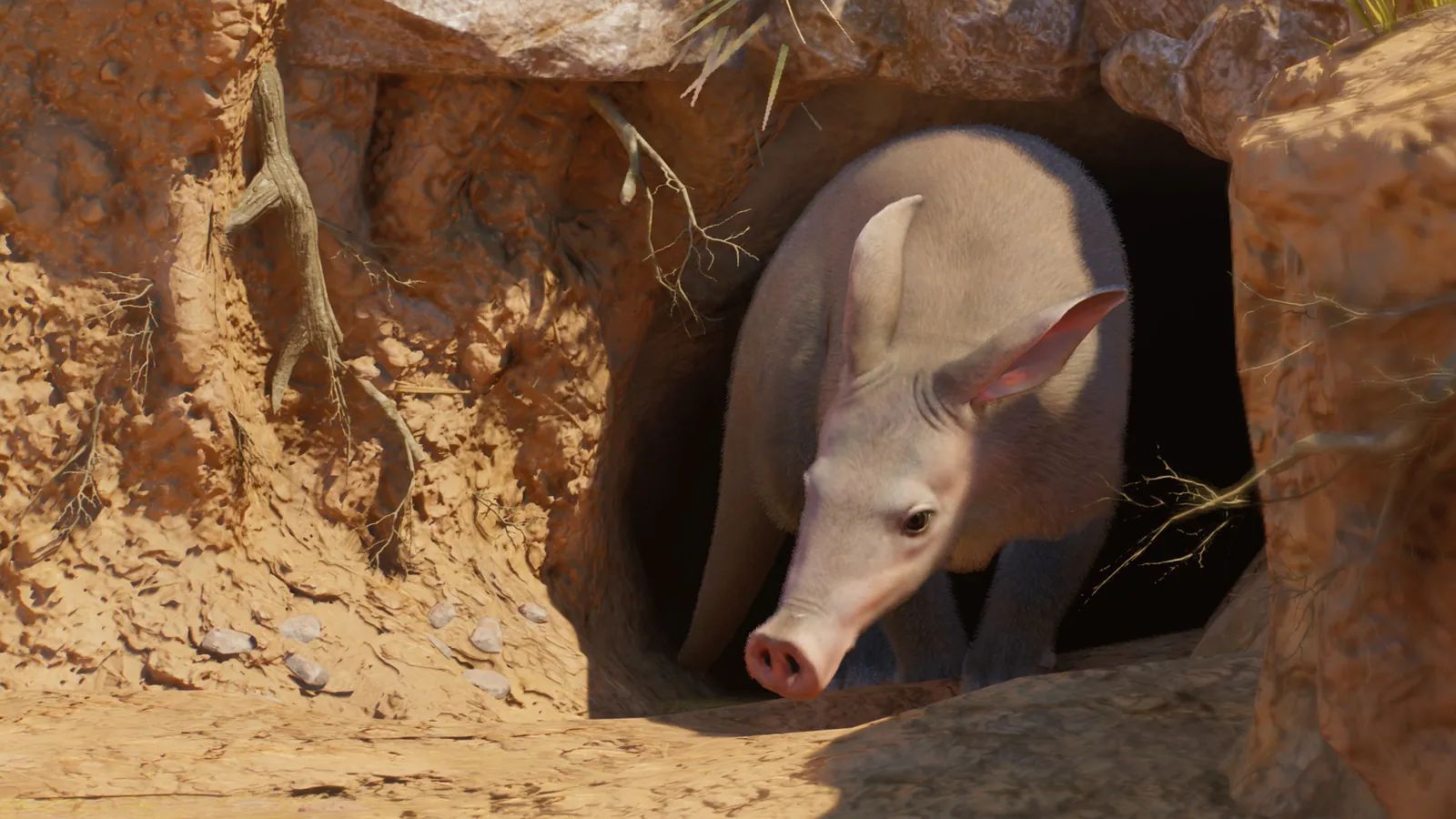
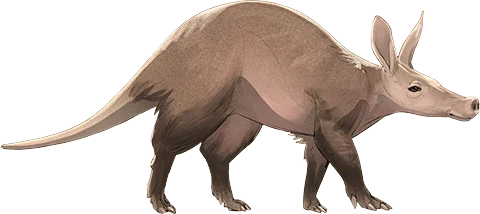
ツチブタ (Orycteropus afer) は中型の食虫動物で、サハラ以南のアフリカ全土に生息している。 ピンクがかった灰色の皮膚にはゴワゴワした毛がまばらに生えており、大きくてスレンダーな耳と、鼻先がブタのようになった細長い頭が特徴である。 オスはメスよりわずかに大きいが、いずれも一般的な個体は体長 105 cm ~ 130 cm、尻尾の長さ 60 cm ~ 70 cm、体重 40 kg ~ 65 kg 程度。
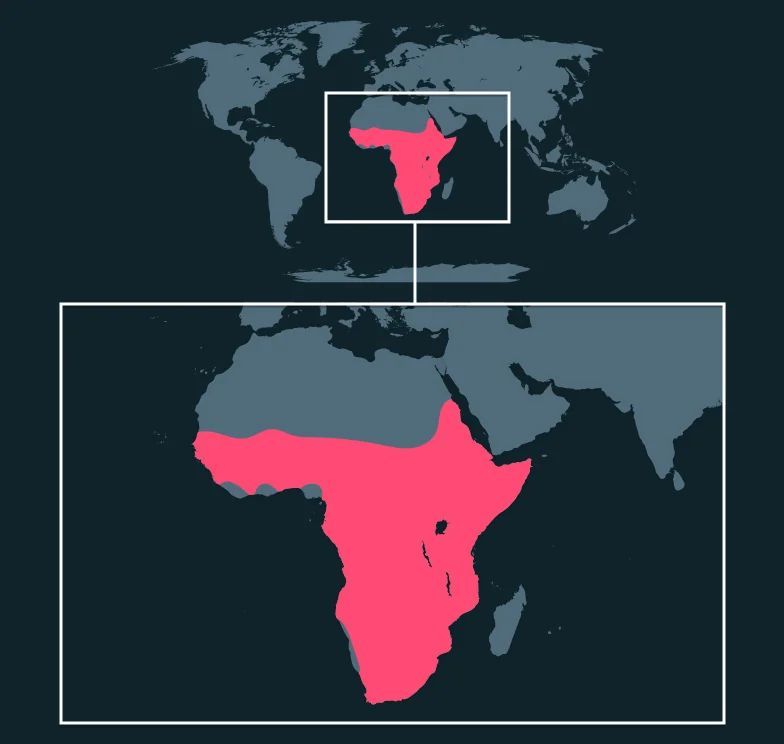
Found in アフリカ
Regions
Biomes
項目はありません。
飼育エリアの必要条件
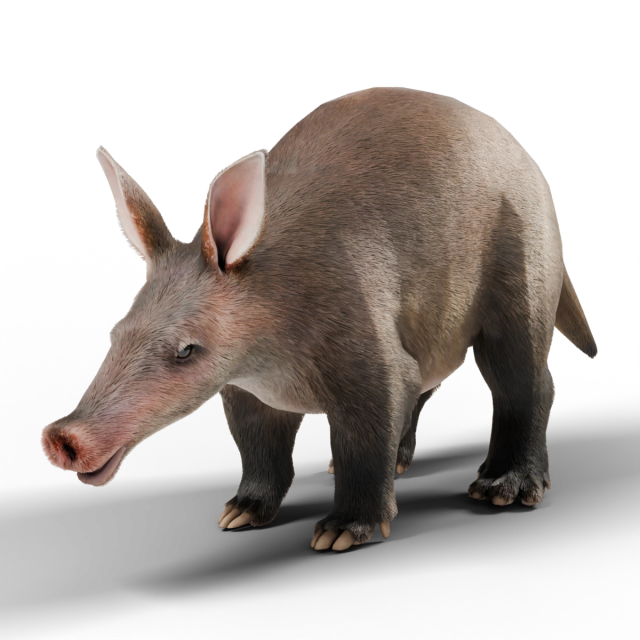
Adult
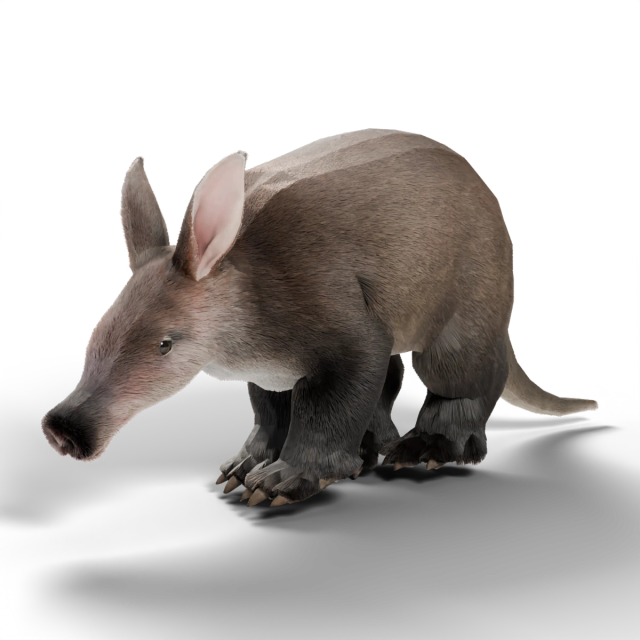
Juvenile
Colourmorphs
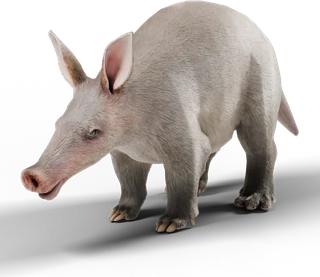 Albino
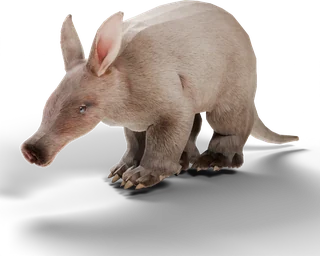 Albino juvenile
飼育エリアのニーズ
Size
肩高: 66 cm
環境
Male
50 kg
Female
50 kg
Bars use a log scale against the heaviest animal in the Zoopedia, the カバ.
Measured as 肩高. The person stands 1.75 m tall for scale.
餌と充実品
Barrier grade
Grade 2 of 5
Minimum height
1 m minimum
Climbing & water
Climb proof
Not needed
Water barrier
Not allowed




IUCNレッドリスト
Minimum area
Land
160 m² + 追加1頭につき80 m²
Shelter
1頭あたり10 m²
Environment
Temperature
14~36°C
Plant coverage
0-25%
Enclosure
飼育エリア
Dislikes
Rain and snow
Terrain
- 草20-70%
- 砂0-30%
- 土20-50%
- 岩0-20%
社会性と繁殖
飼育員のメモ
- 総合栄養食 (肉)
- ミールワーム
Feeders
項目はありません。
Enrichment items
項目はありません。
Water sources
項目はありません。
Conservation
群れと繁殖
低危険種
Least concern
Critically endangered
ツチブタは危機種ではないが、特定の地域では危急種と見なされている。野生では広い採餌域で十分な食べ物を獲得する必要があるため、農地や都市部の拡大など土地利用の変化に影響を受けてしまう。また、農民が自分の土地を掘り返されるのを防ぐために、ツチブタを殺すこともある。さらに、餌となる虫が殺虫剤で駆除されることによる影響が出る場合もある。より頻繁に起こる気候変動による干ばつも、アリやシロアリの個体数に負の影響を与えている。 ツチブタは、国立公園や国立保護区で保護対象となっている。
Zoopedia sketchbook
動物データ
Keeper notes
母親と子どもを除き、野生のツチブタは単独で行動する。他の個体と交流するのは、交尾時あるいは交尾相手をめぐって争うときのみである。 発情期になると、オスのツチブタは巣穴にいるメスの匂いをたどり、数日間共に過ごす。メスが受け入れると、オスは巣穴に留まって交尾を行う。オスは発情期の間に複数のメスと交尾することもある。 メスは 7 か月間妊娠し、子どもを 1 頭産む。子どもは母親の元に半年間留まり、食糧探しや巣穴の掘り方を学ぶ。その後独立し、自分の巣穴を掘る。 2 年で繁殖可能となる。
Group and breeding
Group
Group size
1-2 (最高 1 頭のオス、最高 1 頭のメス)
Male bachelor group
1-2
Female bachelor group
1-2
Offspring dispersal
なし
Lifecycle and breeding
Life expectancy
18-28年
Age of sexual maturity
2年
Age of sexual sterility
死亡
Gestation or incubation
7 か月
Interbirth period
17 か月
産子数
1
Mating system
一雄多雌
Mating season
夏
Reproduction in captivity
簡単
関連する動物
Research levels
| Level | Unlocks | Research gate |
|---|---|---|
| Level 1 | Thriving Requirement 1: Animal Burrow, at least 2 | |
| Level 2 | Aardvark Fact Sheet | |
| Level 3 | Thriving Requirement 2: at least 5 objects or plants with the Bushes tag | |
| Level 4 | Thriving Requirement 3: Food Grade 2; Fertility Level 1 (+15% fertility) | Before this level: an Observation Network (Observation Platform) in Great Rift Valley Reserve and this species released in Great Rift Valley Reserve |
| Level 5 | Thriving Requirement 4: Natural Termite Mound, at least 2 | |
| Level 6 | Thriving Requirement 5: Heavy Soil terrain; Fertility Level 2 (+30% fertility) |
Researched by
獣医
Researched at
飼育エリアまたは展示、および研究センター
Wildlife Reserve
グレートリフトバレー保護区
Every level of this species' research, with its unlock conditions.
Release groups
Valid release groups
| Group | Type | Animals |
|---|---|---|
| Maternal Family Group | Female group | 1 female |
| Solitary Male | Solitary male | 1 male |
Release requirements
| Requirement type | Requirement |
|---|---|
| Ecosystems Required | Either Savannah or Shrubland |
| Nature Requirements | Burrows |


Release groups, reserve requirements and the roles this species fills.
Animal facts
- ツチブタは前脚の指が 4 本しかない。これは穴を掘るために「シャベルのような」形に適応していったためだろう。鼻孔はゴワゴワした毛で覆われており、穴掘りのときには土が入らないように完全に閉じることができる。
- メスのツチブタは、尻尾の先が白くなっている。巣穴の中や食糧探しの最中に、暗闇でも子どもがついて行きやすくするためだと考えられる。
- ツチブタの舌は 30 cm もの長さがあり、表面はベタベタしている。アリやシロアリの塚のトンネルに差し入れて、一度にたくさんの虫を集めることができる。
- 放棄されたツチブタの巣穴は、他の動物 (たいていはイボイノシシとハイエナ) にとって重要なすみかとなる。
- ツチブタは「アードバーク キューカンバー」と呼ばれる植物と共生関係にある。アードバーク キューカンバーは地下で成長し、種子の拡散は完全にツチブタに依存している。ツチブタが食べる、昆虫以外の唯一の食糧だ。
Taxonomy
Class
Order
Family
Genus
Species