Overview
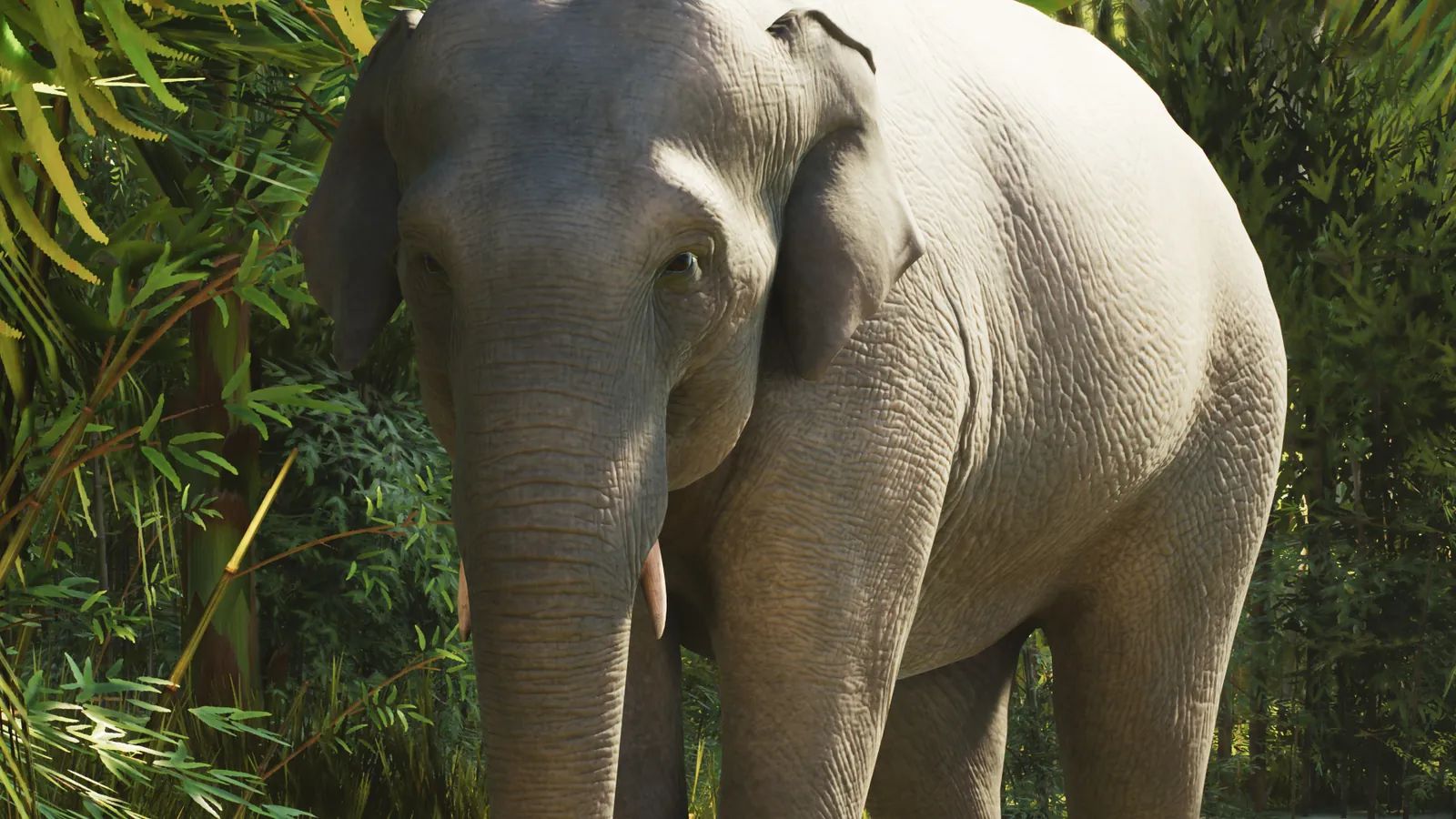
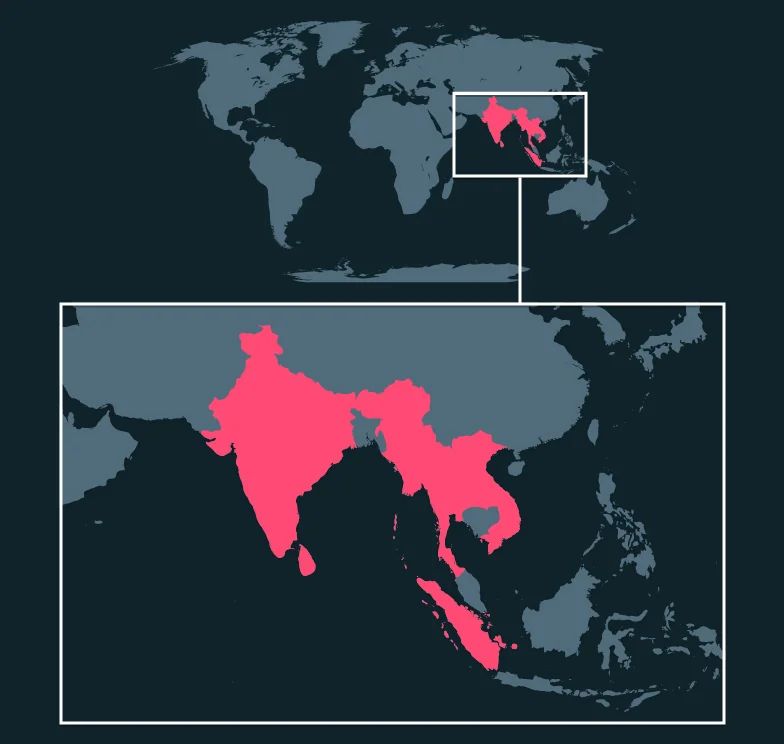
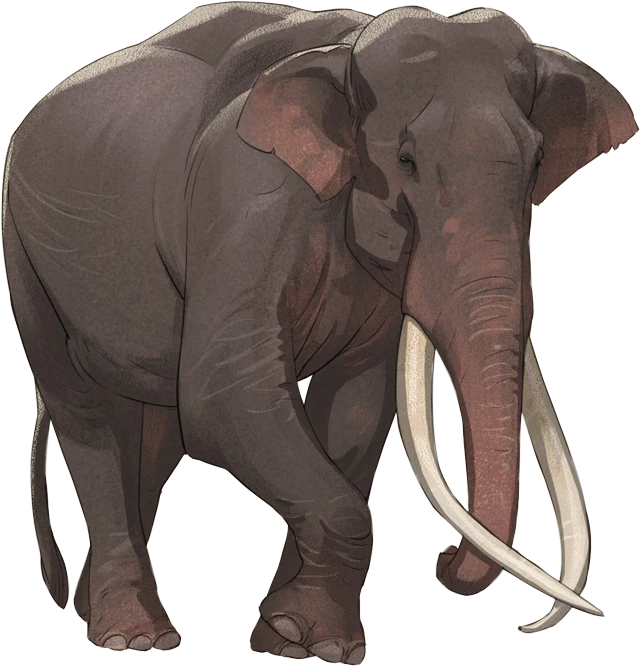
亚洲象 (学名:Elephas maximus),原生于中亚和东南亚,有着独特的象鼻、较小的耳朵和灰色的皮肤,脸部周围有粉红色的斑。 它们是大型草食动物,可以在许多不同的环境中生存,包括森林、草原和山地,并以当地的树叶、树皮和草为食。 亚洲象体型比非洲象小,雄象平均身高约 2.75 米,体重约 4000 千克,雌象则平均身高 2.40 米,体重约 2400 千克。



栖地要求
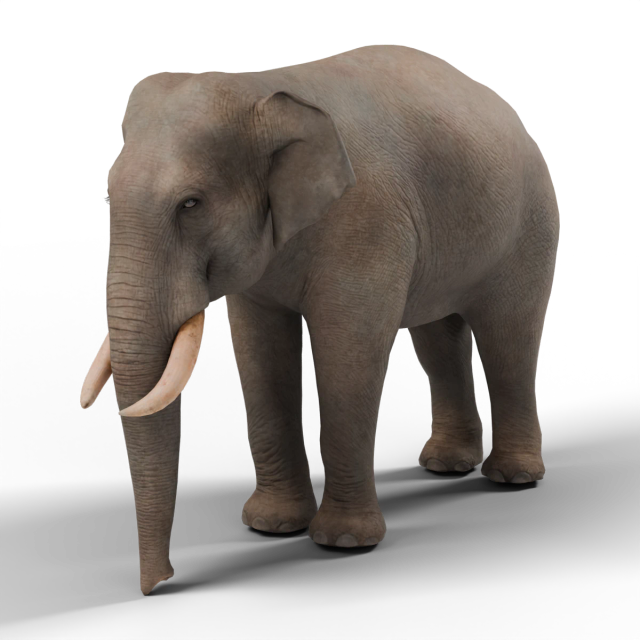
Male
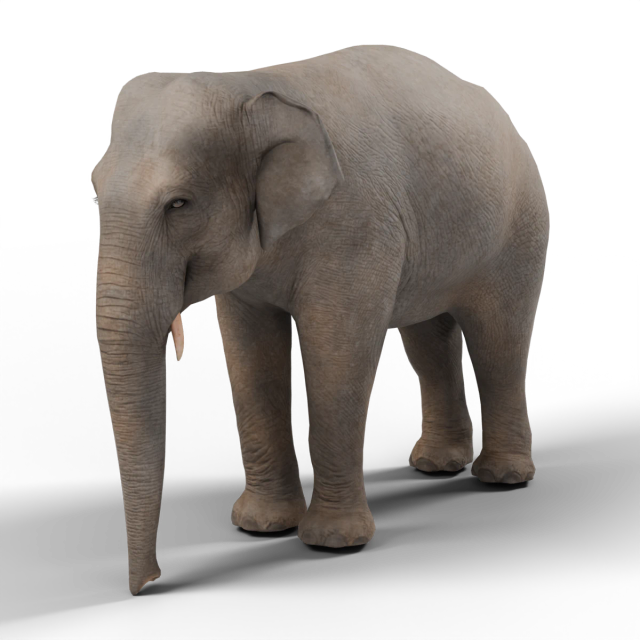
Female
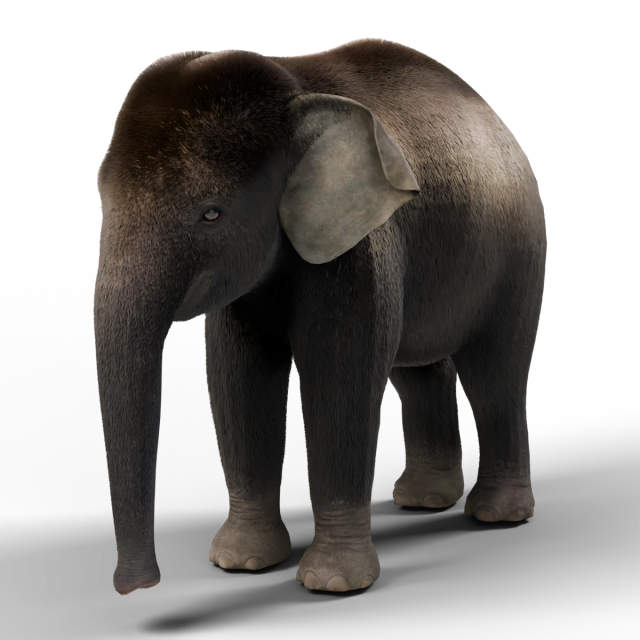
Juvenile
Colourmorphs
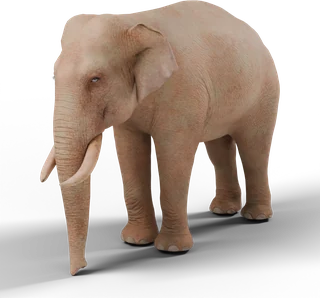 白化
白化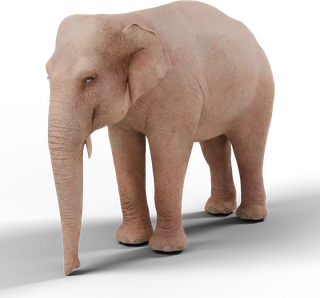 白化
白化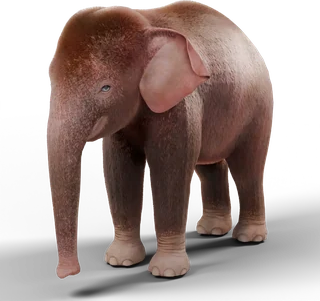 白化
白化栖地需求
Size
肩高: 2.4 to 2.75 m
Measured as 肩高. The person stands 1.75 m tall for scale.
饮食与丰富化
Barrier grade
Grade 4 of 5
Minimum height
3 m minimum
Climbing & water
Climb proof
Not needed
Water barrier
Not allowed



IUCN红色名录
Minimum area
Land
376 m² + 每多一只动物376 m²
Water
25 m² + 每多一只动物25 m²
Shelter
每只动物55 m²
Environment
Temperature
14至36°C
Plant coverage
15-40%
Enclosure
栖地
Dislikes
Snow
Terrain
- 草地20-40%
- 沙10-40%
- 土20-40%
- 岩石0-20%
- 积水10-40%
社交与繁殖
饲养员笔记
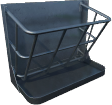
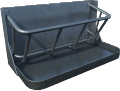
- 树叶及树枝
- 干草














Water sources
没有项目。
Conservation
群体与育种
濒危
Least concern
Critically endangered
Wild population
20,000
20,000-25,000 in the wild. Rank 26 of 58 species with a known count, smallest first.
亚洲象当前被列为濒危物种,主要受到栖地丧失、退化与细碎化的威胁。这一切都是人类拓展活动范围、侵入它们栖地的结果,而双方在同一空间共存又造成了更多的冲突:亚洲象会践踏作物、破坏农田,因此常常遭到人类杀害。盗猎也是一个威胁,但亚洲象面对的盗猎威胁没有非洲象严重,因为它们的象牙小得多,而且只有成年雄象才有。 为了保护亚洲象,人们投入许多努力保护它们的栖地,并让因土地用途变更而分开的族群得以互相往来。印度的保育团体也正在研究农民与大象之间的冲突,希望能在问题发生时提出顺应状况的弹性管理方式。
Zoopedia sketchbook
动物资料
Keeper notes
印度象大多是群居动物,雌象会组成紧密的象群,带着小象一起生活、迁徙、觅食。它们也会互相照顾,协助彼此养育幼象。象群是母系社会,通常由年纪最大的雌象领导,当家雌象死后,下一位年纪最大的雌象就会接下首领之位。年轻的成年雄象会组成松散的单身雄象群,然后一起行动,寻找食物和配偶。完全成熟的雄象则通常独居。 亚洲象全年皆可交配,但受孕率在雨季达到高峰。为了交配,雄象会追踪雌象群。能否追踪成功取决于雄象的成熟程度与雌象是否准备好受孕,同时,如果雄象正处于睾酮水平升高、攻击性与生育能力增强的“发情狂暴期”,也比较容易受到雌象的吸引。两头大象会通过互相追逐、呼唤对方来求偶。 亚洲象的妊娠期约为 18 到 22 个月,然后就会产下一头小象,小象会待在母亲身边,直到 8 岁为止。到了这时,如果小象是雌象,就会留在母亲的象群里,雄象则会离开,加入其他年轻雄象组成的单身雄象群。
Group and breeding
Group
Group name
Herd
Group size
3-30 只 (最多 1 只雄性,最多 29 只雌性)
Male bachelor group
1-5
Female bachelor group
1-30
Offspring dispersal
雄性子代
Lifecycle and breeding
Life expectancy
55-70年
Age of sexual maturity
11年
Age of sexual sterility
死亡时
Gestation or incubation
22 个月
Interbirth period
96 个月
窝产仔数
1
Mating system
一雄多雌制
Mating season
无季节性
Reproduction in captivity
困难
Dominance
母系社会
相关动物
Research levels
| Level | Unlocks | Research gate |
|---|---|---|
| Level 1 | Thriving Requirement 1: Mud Bath, at least 1 | |
| Level 2 | Thriving Requirement 2: at least 5 objects or plants with the Trees tag; Asian Elephant Fact Sheet | |
| Level 3 | Release groups and release to the wild | |
| Level 4 | Thriving Requirement 3: Food Grade 2; Fertility Level 1 (+15% fertility) | Before this level: an Observation Network (Observation Platform) in Sumatra Reserve and this species released in Sumatra Reserve |
| Level 5 | Thriving Requirement 4: at least 50% native plants | |
| Level 6 | Thriving Requirement 5: Waterfall and Metal Frame, at least 2; Fertility Level 2 (+30% fertility) |
Researched by
兽医
Researched at
栖地或展示区与研究中心
Wildlife Reserve
苏门答腊保护区
Every level of this species' research, with its unlock conditions.
Release groups
Valid release groups
| Group | Type | Animals |
|---|---|---|
| Bull Group | Male group | 3 to 5 males |
| Maternal Family Group | Female group | 5 to 15 females |
| Solitary Bull | Solitary male | 1 male |
Release requirements
| Requirement type | Requirement |
|---|---|
| Ecosystems Required | Flourishing Grassland |
| Ecosystems Required | Flourishing Forest Swamp |
Ecosystems


Release groups, reserve requirements and the roles this species fills.
Animal facts
- 印度象会在旱季开始时迁徙至食物和水源较为丰沛的地区。
- 许多人都以为大象直接用象鼻喝水,但其实大象是先用象鼻吸水再排入口中饮用。
- 已知大象会使用树枝来打苍蝇、清除寄生虫和抓痒。
- 野生的大象会和能替它们清除皮肤寄生虫的鸟类建立共生关系。
- 亚洲象与猛犸象的关系比与非洲象的关系更近。
Taxonomy
Class
Order
Family
Genus
Species