
Interactive Map
The asteroid of Year 1 in By the contract and No rush: landing sites, ore deposits with their depth, finds, cave mouths, gas pockets and craters. The hard way has the same asteroid with fewer and smaller ore deposits.
Games with this asteroid
Not every game has this asteroid in Year 1.
| Game | Its asteroid |
|---|---|
| Year 1 of a new game of By the contract or No rush | This asteroid |
| Co-op guest | The asteroid of the host's game |
| Year 1 that was already running when Strange matter came to the game | This asteroid with a hollow center; its 7 deepest cave systems run elsewhere than the 6 deepest here |
| Post-game contract after an ending | An asteroid of its own |
In a Year 1 that was already running when Strange matter came to the game, 543 ore deposits of this map hold more or less ore than their tooltip states: the ones that one of the 6 deepest cave systems here or of the 7 deepest there cuts into. Every other deposit holds the same ore there, and its volume in m³ reads 0.07% larger.
Reading the map
The globe is the surface of the asteroid drawn on a ball: heights show as light and shade, not as shape, and the flat map shows the same surface spread out.
North is up. From left to right the map runs once around the asteroid, so its left and right edges meet. The landing site Far Side lies near the left edge and Hope Crater near the middle. Toward the two poles the map stretches everything sideways.
A depth is the number the depth display shows at that spot: the distance down from the untouched surface along the line to the center of the asteroid, in whole meters, rounded down. The display starts at 1 m.
The distance to a landing site is the straight line through the rock to the center of its landing pad.
Places inside rock that is still part of the asteroid stay where they are while the asteroid is mined. The finds on the surface are put back on the ground at the start of every shift, at the same spot of the map: where the ground has been dug away, they lie lower.
A cluster is 3 balls of ore around its marker. Ore deposits overlap, and where two meet the later one replaced the earlier. Every piece of ore is counted once, for the deposit that was laid last: each cluster and geode states the volume of its own ore and how far that ore reaches from its marker, measured to the far corner of its farthest block of ore and rounded up. A cluster with no ore of its own is not on the map.
Ore inside the ball of Neutronium at the center, in a column, in a surface outcrop, in the vein around a find or in the walls of the grotto of Space ice is not counted for a cluster. The walls of the grotto hold 452 m³ of Space ice and 7 m³ of Space crystal.
An ore volume is the volume the asteroid loses when that ore is mined. It is not the amount of ore in the cargo: the cargo does not count ore in m³.
The category Craters marks the 34 craters with a mean radius of 13 m or more whose rim stands 1 m or more above their middle. The asteroid has 552 smaller craters, and 3 of that size that are no bowls: other craters and the ground around them left their rim less than 1 m above the middle. The radius of a crater is the distance of its rim from the line through the middle of the crater and the center of the asteroid, as the mean around the rim. Its depth is the height of the ground on the rim above the ground a fifth of the radius from the middle, both as means around the crater.
The asteroid has 30 cave systems. The map marks the 13 places where a cave opens to the surface, not the passages.
The center of the asteroid
At the center lies a ball of Neutronium with a radius of 9 m. Its inside has one of two states.
| Center | Solid | Hollow |
|---|---|---|
| Inside the Neutronium | Ball of Strange matter, radius 6.2 m, volume 937 m³ | Empty |
| Safe | Inside the Strange matter | In the hollow |
| Game | A game or a Year started with Strange matter in the game | A Year that was already running when Strange matter came to the game, to its end |
The columns of Neutronium on the map rise from the ball of Neutronium.
| Landing site | Center of the asteroid below the pad |
|---|---|
| North Pole | 89 m |
| East Slope | 137 m |
| Hope Crater | 106 m |
| West Slope | 120 m |
| Far Side | 113 m |
| South Pole | 90 m |
Finds without a fixed place
Floats in orbit around the asteroid.
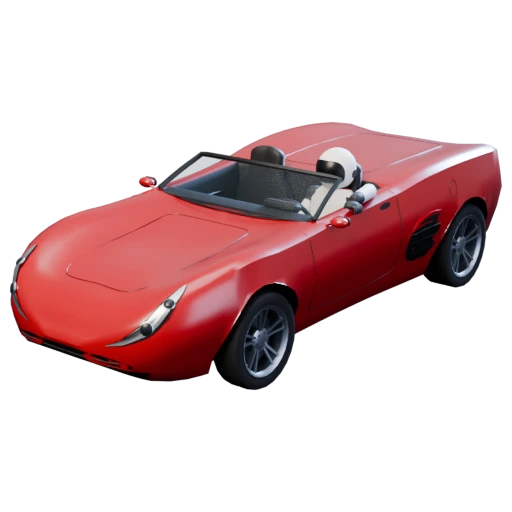
Floats in orbit around the asteroid.
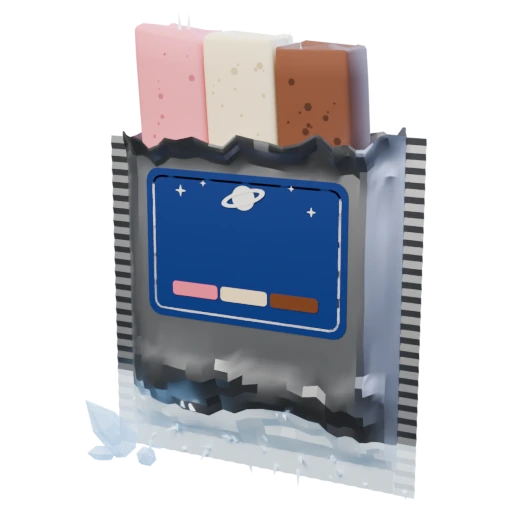
Drops out of mined Space ice.
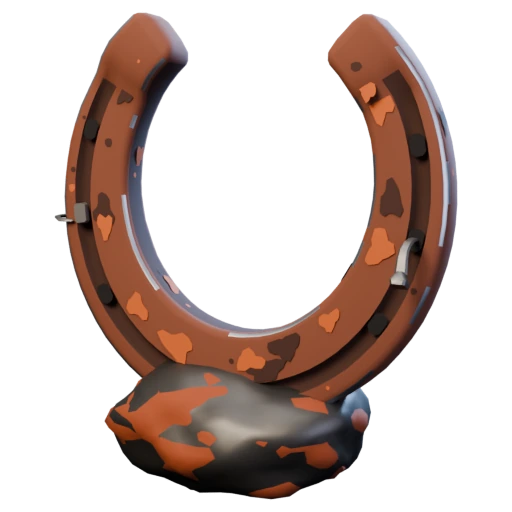
Drops out of mined Meteoric iron.
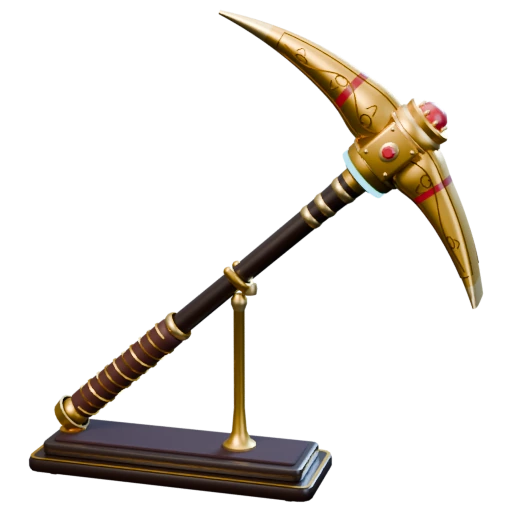
Drops out of mined Star gold.
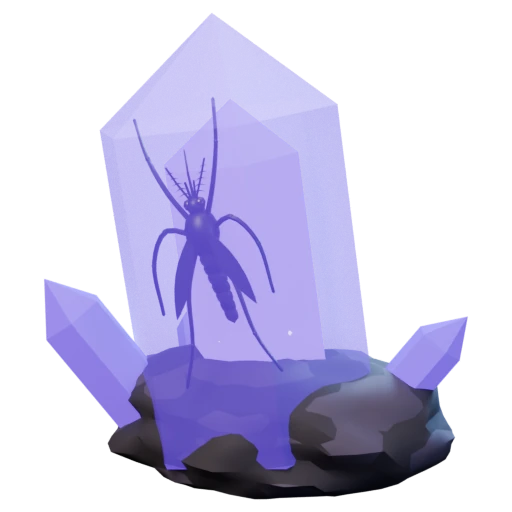
Drops out of mined Space crystal.
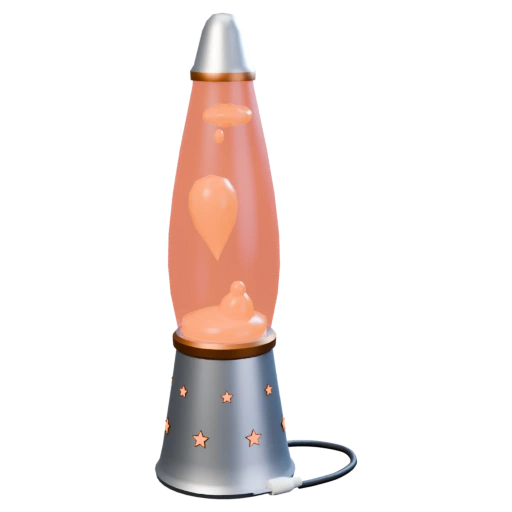
Drops out of mined Plasmite.
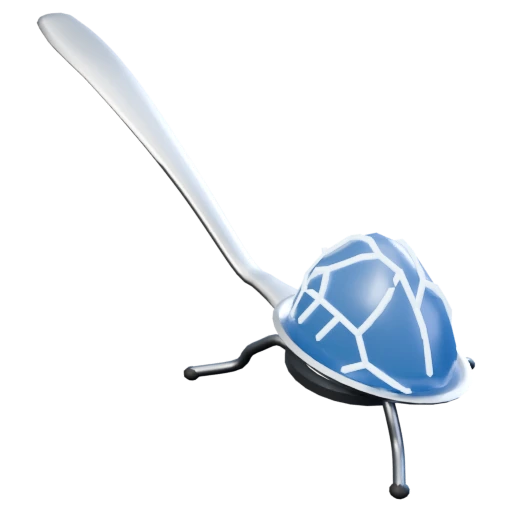
Drops out of mined Neutronium.
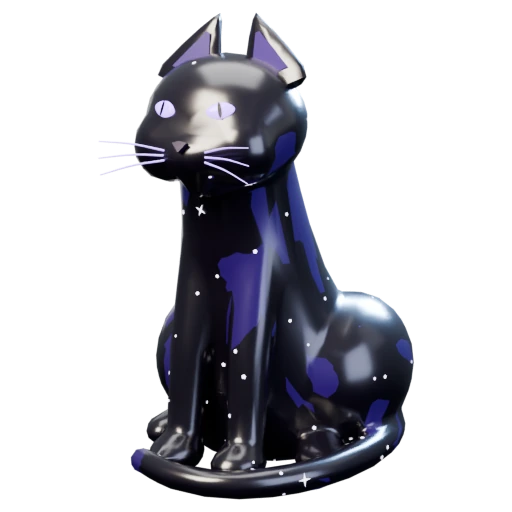
Drops out of mined Dark matter.

Drops out of mined Antimatter.
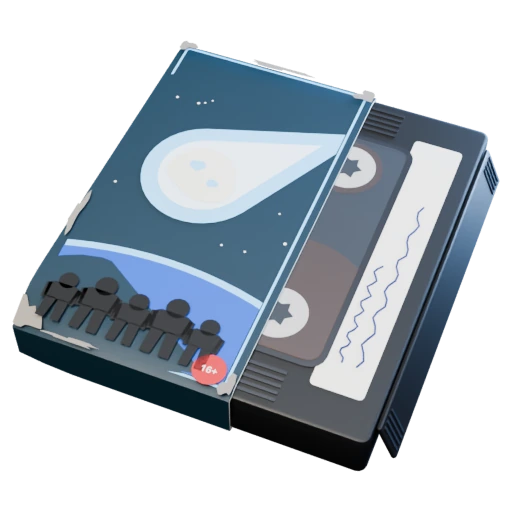
Floats in orbit around the asteroid.
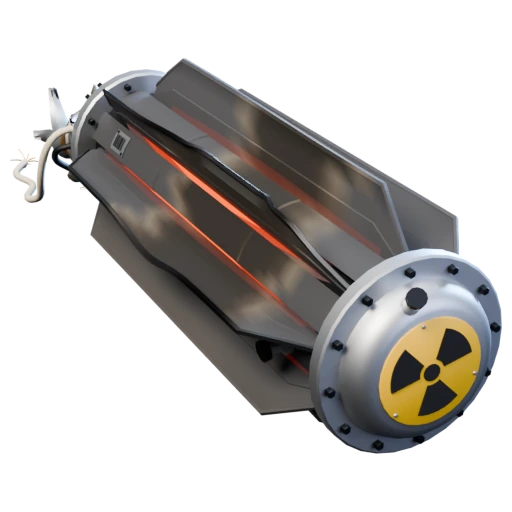
Lies by the wreck of a fallen probe.
Later Years
Every later Year has another asteroid. This map shows the asteroid of Year 1.